The Biblical Significance of Jesus Turning Water Into Wine

JEFF TURNER

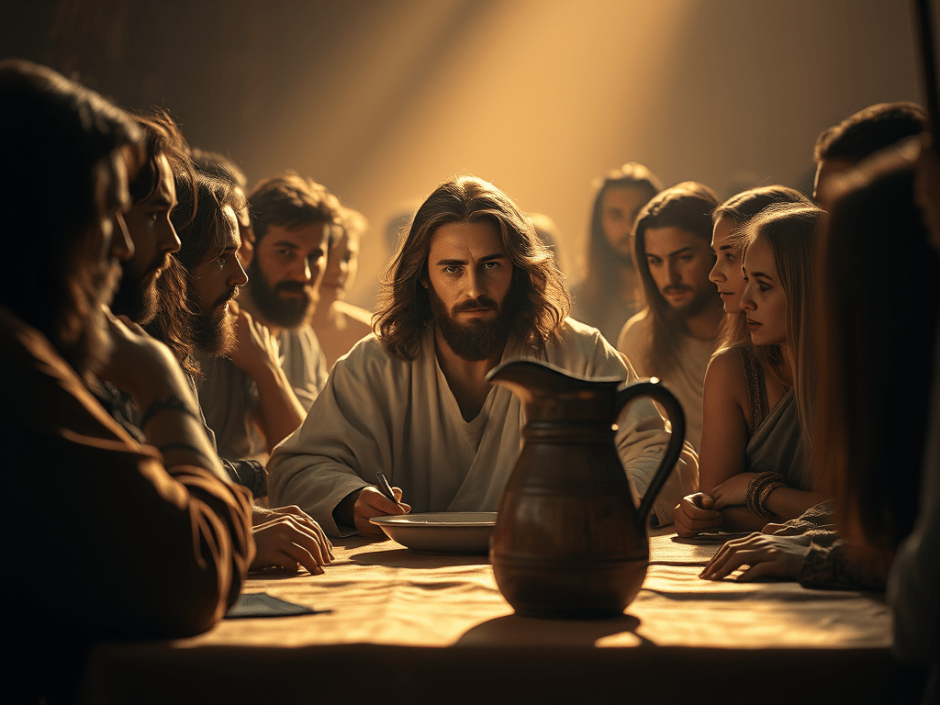
When Jesus turned water into wine at a wedding in Cana, some people wonder why He would create something that could potentially cause drunkenness, especially since the Old Testament warns, “Woe to him who gives drink to his neighbors” (Habakkuk 2:15).

The answer lies in understanding ancient wine practices. In biblical times, people rarely drank pure wine. Instead, they mixed it with water, often using five to seven parts water for each part wine. This practice served two important purposes: it prevented drunkenness and helped purify potentially unsafe drinking water through wine’s natural fermentation.

Jesus’s miracle produced what witnesses called the finest wine they had ever tasted. Some scholars believe this wine was pure, unfermented grape juice of the highest quality. This explanation aligns with Jesus’s character and teachings. The wedding guests were amazed because typically, hosts served their best wine first, saving lower quality drinks for later. Yet here, the best came last.

This miracle demonstrates that while Jesus created wine, He never intended it for misuse. Drunkenness remains a personal choice, not the purpose of His miraculous gift.

God’s Goodness: Our Reason to Be Thankful

Adapted from a sermon delivered by George Whitefield (C 1735)

Want to know one of the clearest signs that we’ve drifted from God? It’s how hard we find it to be thankful. Think about it – when things are going well, how often do we actually stop to say “thank you”?

When God first created humans and placed them in paradise, they were naturally filled with gratitude. They used every breath to praise God, recognizing that their very existence depended on Him. Even now, when we imagine heaven, we picture angels and perfected souls constantly praising God, acknowledging His worth and power.

What was natural for humans at creation, and what will be our joy in heaven, should be part of our life now. But let’s be honest – how rarely do we feel moved to praise God! Even when guardian angels watch over us, they must be amazed at how seldom we express gratitude for all we’ve been given.

We never lack reasons to be thankful, especially those of us saved by Jesus. We see God’s goodness everywhere – in sunshine, in daily blessings, in His care for all people. But few of us have reached the point where we can genuinely rejoice in others’ blessings as much as our own. That kind of perfect love will only be fully achieved in heaven, where every blessing given to others will give us new reasons to be thankful.

What usually moves us to gratitude is personal blessing – things that directly affect us. This makes sense – when something touches our own lives, it feels more real. When God shows us special favor or delivers us from trouble, it hits different. It’s like the Psalmist who kept saying, “If only people would praise God for His goodness and for the amazing things He does for them!”
The Psalmist’s passionate plea shows both how important gratitude is and how often we neglect it. It’s like the story Jesus told about the ten lepers – they all cried for help when they were sick, but only one came back to say thanks when they were healed. Sadly, that’s pretty typical of how most of us act.

For four months, we’ve been at sea together. We’ve seen storms that lifted waves high as mountains. We’ve felt our courage melt away in trouble. But we cried out to God, and He brought us safely through. He calmed the storms and brought us to our destination. Shouldn’t we praise Him for His goodness? Shouldn’t we tell others about what He’s done for us?

Don’t just say “thank you” with your lips while your heart is far away – that’s just pretending. God didn’t save us from storms just to hear empty words. He wants our lives to show our gratitude.
Give God your whole heart. Let His love draw you to honor and obey Him. You couldn’t serve a better master – His service brings freedom, His requirements become easy with practice, and His rewards are amazing: love, peace, and joy now, plus eternal glory later.

If we don’t respond to God’s kindness with changed lives, we’re in serious trouble. God is both merciful and just. The more blessings we receive, the more responsible we are for how we use them. Don’t let God’s blessings become reasons for greater judgment.

But I believe better things for you. I’ve seen positive changes among you. The cursing has decreased, and recent hardships have made you think more seriously about eternal things. Keep going in this direction. Nothing would make me happier than to hear you’re living according to truth.

Remember, you’re entering a new world with new challenges. Show by your lives that God’s mercy hasn’t been wasted. Let your gratitude show in how you live, not just in what you say.
May God bless you, guide you, and bring us all finally to that eternal haven where we’ll praise Him forever for His goodness and declare the wonders He has done for us.

Greater Vision’s “God Wants to Hear You Sing” Celebrates 25-Year Milestone

AMY TURNER

A Southern Gospel song that has encouraged countless listeners through difficult times is marking its 25th anniversary this week. “God Wants to Hear You Sing,” written by Rodney Griffin and performed by Greater Vision, has remained a staple of Christian music since its release in 1999.

In reflecting on the song’s lasting impact, songwriter Rodney Griffin shared his thoughts on why the message continues to resonate with audiences. “It’s hard to believe we’ve been singing that song for that long,” Griffin remarked. “It’s just one of those that stuck.”

The inspiration for the song came from the Biblical account of Paul and Silas singing praises at midnight while imprisoned in Philippi in Acts 16:25. This verse shows us the powerful example of Paul and Silas choosing to worship God even in the midst of their suffering, and how their faith and praise led to a miraculous earthquake and the prisoners’ chains being loosed. This teaches us the importance of praising God in all circumstances and the impact it can have on our lives and the lives of those around us.

Griffin drew parallels between Paul and Silas’ experience and modern-day challenges, noting how the act of praise can bring breakthrough in difficult circumstances.

“It just gives hurting people a source of encouragement,” Griffin explained, referencing the Apostle Paul’s exhortation to “Rejoice in the Lord always.” He pointed out how Paul and Silas demonstrated this principle through their midnight praise session, which preceded their miraculous deliverance.
The song’s theme centers on the power of praise during adversity, encouraging believers to lift their voices even in life’s darkest moments. Its message resonates with fundamental Christian teachings about maintaining faith and worship during trials.

Released in 1999 through Songs of Greater Vision, the composition has become one of Southern Gospel’s most enduring songs about praise through adversity. Its legacy continues to impact new generations of listeners, offering hope and encouragement to those facing challenging circumstances.

As the song reaches this significant milestone, its message remains as relevant today as when it first released.

Scotty Inman Performs “Motel Bible” with The Isaacs on the Grand Ole Opry Stage

JEFF TURNER

In a momentous evening this past Wednesday, October 30th, Scotty Inman brought his latest song, “Motel Bible,” to life on the iconic Grand Ole Opry stage, joined by The Isaacs. This performance marked a significant milestone for Inman as he performed the final single from his solo album, My God, which debuted in March 2024.

The song, co-written by Levi and Jimmy Leigh Erie, holds personal significance for Inman. Reflecting on the moment, Inman shared, “I got a phone call from Levi with The Isaacs. He said, ‘What are you doing Wednesday night, October the 30th?’ And I said, ‘I have no idea.’ He said, ‘Well, if you’re free, you’re singing Motel Bible on the Opry.’ And I was like, ‘Are you kidding me?’”

For Inman, who has long considered The Isaacs both friends and inspirations, the invitation was a moment of fulfillment. “Man, the Isaacs have always been huge encouragers and great friends to me,” he continued. “The fact I got to sing it on the stage there is literally a dream come true.”

The evening brought together country, gospel, and bluegrass fans, all eager to experience a heartfelt performance that celebrates storytelling and faith. Inman’s collaboration with The Isaacs for “Motel Bible” added a personal layer to a song that’s already resonating with fans of his new album.

Understanding the Importance of Religious Revivals

Based on a writing by Rev. CHARLES G. FINNEY (1792–1875)

Let’s talk about religious revivals – what they are and why they matter. It all started with an ancient prophet named Habakkuk who, facing troubled times, prayed for God to “revive” his people’s faith. This idea of revival has been important ever since.

At its core, religion is simply about people choosing to follow God willingly and sincerely. But here’s the challenge: we naturally drift away from this commitment. Think of it like a New Year’s resolution – we start with good intentions, but slowly slide back into old habits. This is why revivals become necessary.

Throughout history, most religious growth has happened through revivals – periods of intense spiritual awakening. Imagine a sleeping person needing an alarm clock. People get spiritually drowsy, distracted by life’s many demands and entertainments. These distractions are like a strong current pulling us away from shore. To swim back, we often need a powerful burst of energy.

Looking at history, we see a pattern: God creates a period of spiritual excitement, people turn to Him, then gradually drift away as daily life takes over. Think of it like a family that grows closer after a crisis, then slowly drifts apart until another event brings them together again.

Ideally, we wouldn’t need these spiritual wake-up calls. In a perfect world, faith would grow steadily, like a well-tended garden. But reality is different. Just as political campaigns and advertising bombard us with messages that shape our thoughts, these worldly influences need to be countered by equally powerful spiritual experiences.

Here’s what’s important to understand: a revival isn’t a miracle that suspends natural laws. It’s more like waking up and using abilities you already had but weren’t using. Think of a couch potato – they have the muscles to run, they just need the motivation to use them.

When a revival happens, it starts with Christians rediscovering their original enthusiasm for faith, like couples remembering why they fell in love. This renewal then spreads. Spiritual truths that seemed dull become vivid and real. People develop genuine concern for others’ spiritual well-being. Often, the change reaches even those considered “hopeless cases” – the most unlikely people can have complete changes of heart.

The whole process involves three key players: God, someone sharing spiritual truth, and the person being changed. Think of it like helping someone learn to swim: there’s the designer of the pool (God), the swimming instructor (the teacher), and the swimmer (the person changing). The truth itself is like the water – essential to the whole process.

Even small actions can have big effects. Sometimes just seeing someone’s genuine concern can start a chain reaction in a community. It’s like how one person’s smile can brighten a whole room. The key thing to remember is that revival involves both God’s work and human participation. While God provides the truth and power, people must choose to share and respond to it.

That’s what revival is about – a return to spiritual health through a combination of divine influence and human response. It’s as natural as waking up from sleep, as practical as farming, and as personal as falling in love. It happens when people are deeply moved to make real changes in their lives and turn back to God.