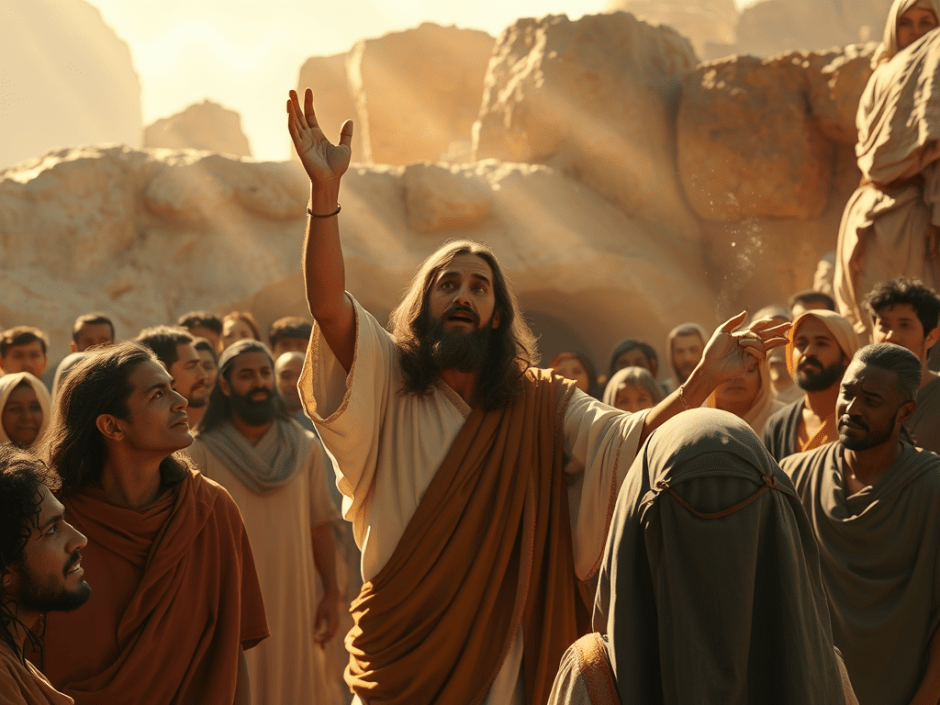
When reading the Gospels, have you ever imagined witnessing Jesus’ miracles in person? While this might seem incredible, it’s essential to consider the gravity of such an experience. According to Jesus, seeing His works and responding wrongly brought severe consequences. In John 15:24, Jesus said, “If I had not done among them the works which no one else did, they would not have sin. But now they have both seen and hated both Me and My Father.” This statement reveals a profound truth about accountability.
Those who saw Jesus’ miracles and still rejected Him bore a heavier burden of sin—not because they were free of sin beforehand, but because they chose to reject the clear evidence of His divine mission. Jesus was not saying they were sinless by nature; Scripture makes it clear that all humanity is inherently sinful. Instead, He referred to the specific sin of rejecting Him, which carries the most severe consequences.
The book of Hebrews warns about the punishment for those who hear the Gospel, understand its message, and reject it. It says the person who tramples on the blood of Christ faces a greater judgment (Hebrews 10:29). In this light, rejecting the Gospel after fully understanding it is far more dangerous than never hearing it at all. While all who reject God will face eternal separation from Him, the punishment is greater for those who knowingly turned away after being exposed to the truth.
This is a sobering reminder of the responsibility that comes with hearing and understanding the Gospel. Doesn’t the mean believers should have an urgency to respond to Christ with faith and obedience?
The sixth commandment, found in Exodus 20:13, states, “You shall not murder.” The original Hebrew word, ratsach, refers specifically to acts of homicide, making it clear that this is not a general prohibition against all forms of killing. For instance, this commandment is not meant to advocate vegetarianism or reject capital punishment outright.
Scripture teaches that every human being is made in God’s image (Genesis 1:27). This means human life holds unique value and must be treated with the utmost respect. The sixth commandment goes beyond physical acts of violence—it also speaks to the condition of the heart. It condemns murder, suicide, abortion, and even hatred toward others. Jesus expanded on this in Matthew 5:21-22, emphasizing that harbouring anger against someone can be just as serious as the act of murder.
Believers are called to reflect God’s love by rejecting hatred and embracing compassion. As followers of Christ, we are instructed to cherish life, seek peace, and build each other up in love.
The Kramers have been sharing their faith through music for nearly three decades. Their journey began in 1995 when Scott and Rachel Kramer married and felt called to use their talents for God’s glory.
“They both had a calling on their lives to use their voices and abilities for God’s glory and began making music together,” says Maria Kramer Wolfe, their daughter and a member of the group.
The family’s commitment to their musical ministry deepened three years later when Scott and Rachel decided to pursue it full-time. Maria reflects on this decision, saying, “They went full-time in music ministry in 1998, and God has led them every step of the way!”
Since 2014, when the Kramers began traveling full-time as a family group, their musical style has evolved. Maria explains their approach to developing their repertoire:
“When we made our first ‘Kramers’ project entitled ‘Revive Us Again’, we did several hymns and gospel classics to give us a great foundation for singing live. When audiences are being introduced to a group, it’s helpful to share songs that are familiar.”
As they gained recognition, the Kramers began incorporating more original music into their performances. However, their core mission remained unchanged. “Our main goal when creating music is that it’s done with total excellence and brings glory to God. Even if a song is fun and upbeat, we want to make sure the message is applicable and biblical,” Maria emphasizes.
This month, the Kramers released their latest project, “Soli Deo Gloria.” This album represents two years of hard work and dedication. Maria shares their hopes for this new collection:
“Our newest project, ‘Soli Deo Gloria‘, is a collection of thirteen songs that we have worked on for two years. Our hope and prayer is for these songs to resonate in the hearts of many and carry people through all seasons of life, remembering that God is always with them, and He receives ALL the glory and praise!”
The project pairs the Kramers with multi-award winning producer/arranger Wayne Haun. He shared his sentiments about the recording:
“The Kramers are some of the only artists I know who can release an album and already have it be a success. Their single releases have already landed on some of the most loved editorial playlists around the world. Now we get to experience the entire recording, and that’s something to celebrate!”
The debut single, “There’s A Light Shining In Bethlehem,” was welcomed by radio stations nationwide and added to multiple editorial playlists throughout the Christmas season.
Provided to YouTube by StowTown Records He Remembers My Sin No More · The Kramers He Remembers My Sin No More ℗ 2024 StowTown Records Released on: 2024-11-22
One standout track from the new album is “He Remembers My Sin No More”. This song, written by siblings Wendy Sightler Ferguson and Chad Sightler, holds a special place in the Kramers’ repertoire.
Maria reveals, “It’s a song we have known about for a couple years. We considered it for our last album, but the timing was meant for this one!”
The song’s message is deeply rooted a verse from Hebrews. Maria elaborates on its significance:
“‘He Remembers My Sin No More’ reminds us of the Scripture, ‘For I will be merciful to their unrighteousness, and their sins and iniquities I will remember no more.’ Hebrews 8:12. The song is upbeat, catchy, and quick, but the message is worth celebrating. We are free because of Jesus’ payment on the cross, covering our sins, and giving us eternal life!”
For young families or musicians aspiring to start their own gospel music ministry, Maria offers simple yet profound advice: “Pray, pray, pray! It has to be God’s ultimate will, and He will lead and guide when you seek Him.”
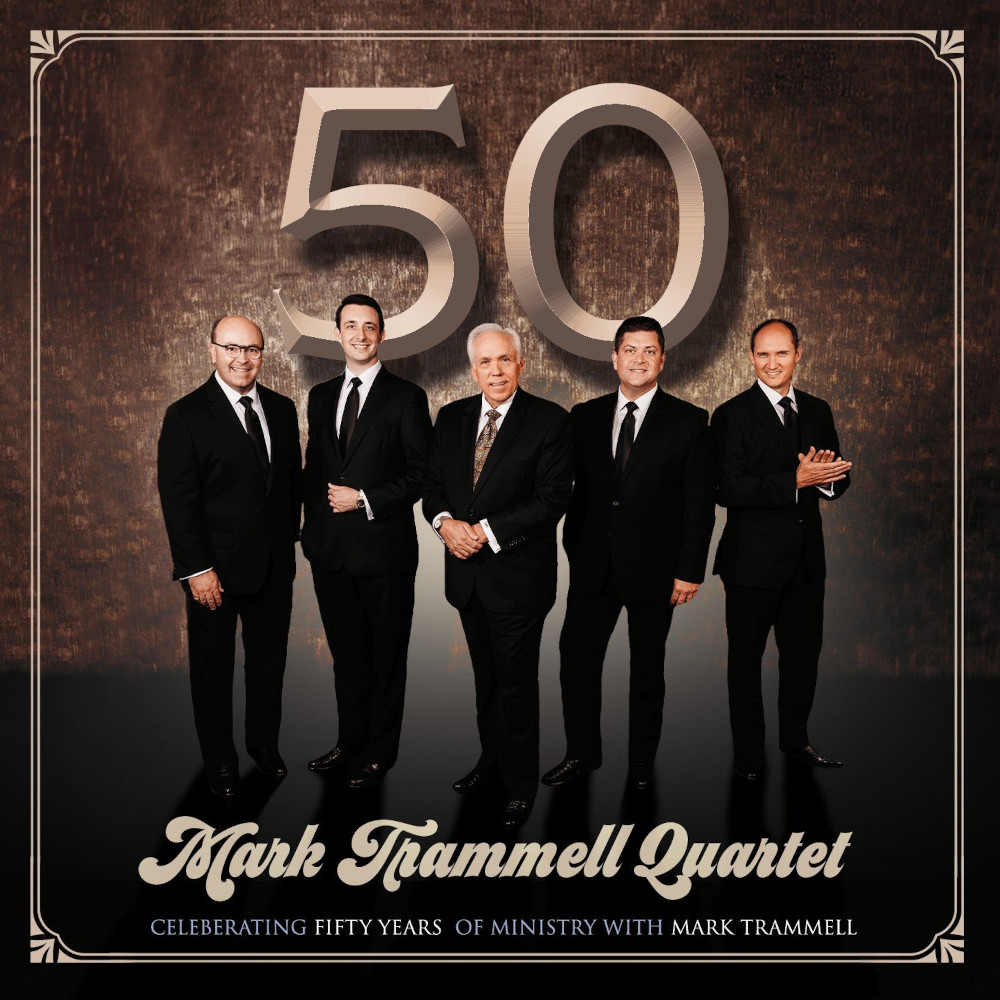
The Mark Trammell Quartet‘s latest project marks a milestone in southern gospel music. Celebrating Mark Trammell’s 50 years of singing Southern Gospel, the album revisits some of the most remarkable songs from his career. These songs familiar to long-time fans while also introducing new audiences to the tradition of southern gospel.
Provided to YouTube by TuneCore Can He Could He Would He · Mark Trammell Quartet Can He Could He Would He ℗ 2025 Crimson Road Productions Released on: 2025-01-01 Auto-generated by YouTube.
Mark Trammell shared his thoughts on the appeal of these classic songs. “There’s some great, great, great stuff back there in that day that we’re still gleaning from that today’s world thinks it’s brand new music. It’s not, it’s just 50, 60, 70 years old, that’s all,” he explained.
For Trammell, the value of revisiting these older songs is twofold. He appreciates the opportunity to perform music he knows deeply and believes in its ability to connect with people across generations. “The great part about that to me is I don’t have to learn new music as much. I can still sing songs that I know and I have lived long enough that we’re singing them and recording some of them again,” he said.
The project not only honours the legacy of Mark Trammell’s contributions to southern gospel music but is also a bridge between generations. With songs that have stood the test of time, the album celebrates both the past and the future of the genre.
Trammell says he is continually amazed by the response his ministry receives. “Here we are, a new generation that has so much to choose from and depict from when it comes to ‘entertainment’ or ‘ministry,’ and somehow I’m still in shock when people show up to hear us,” he added.
The Kingsmen have been captivating audiences for over seven decades. Since their inception in 1956, this quartet has become a cornerstone of Southern Gospel music.
Alan Kendall, the current emcee and baritone of The Kingsmen, has been working on a comprehensive book about the group’s history. In his own words: “I have been working on a book about the Kingsman and I have been working on it right about two years now. Whenever I could get the spare time to do it, it’s going to be called Decades of Music, Decades of Memories.”
This upcoming book promises to be a treasure trove of information for fans and music historians alike. Kendall explains: “We’re covering the back stories of about 120 Kingsman songs along with a brief history of the group that my friend David Murray contributed to to the book and then a whole bunch of other pieces of history of the Kingsman several photos this book is 367 pages long so we’re very excited about this book it should be coming out in the spring if not before so stay tuned for that.”
The book’s theme aligns with the group’s recent “Decades” music releases, emphasizing the importance of their extensive song catalogue. As Kendall notes, “So many of our alumni and Ray Dean Reese himself have said it’s all about the songs.”
The release date for the book has not yet been announced.