The opening chapter of Paul’s letter to the Romans could be considered one of the most significant passages in all of Scripture. Written to a church the apostle had never visited, this letter would become the most systematic presentation of the gospel message in the New Testament, and its first chapter lays the essential groundwork for everything that follows.
Paul clarifies the continuity between the Old and New Testaments. He tells us God’s Son, Jesus Christ, was descended from David according to the flesh and declared to be the Son of God in power according to the Spirit of holiness by his resurrection from the dead. This dual nature of Christ, fully human and fully divine, forms the bedrock of Christian theology and the foundation upon which the entire epistle rests.
Within this gospel, the righteousness of God is revealed from faith for faith, as it is written, “The righteous shall live by faith.” This concept of God’s righteousness being revealed and received through faith rather than human effort represents a revolutionary truth that transformed the ancient world and continues to transform lives today. The righteousness that God requires, He also provides through Jesus Christ to all who believe.
Paul explains that what can be known about God has been clearly revealed to all people through creation itself. God’s invisible attributes, His eternal power and divine nature, have been clearly perceived in the things that have been made.
The chapter concludes with a chilling observation about the depth of human depravity. Though people know God’s righteous decree that those who practise evil things deserve to die, they not only do them but give approval to those who practise them. They don’t just commit sin but celebrate it and encouraging others to join in rebellion against God.
The first chapter of Romans is a foundation for understanding the gospel’s power. Until we grasp the severity of humanity’s condition, the depth of our rebellion, and the reality of divine wrath against sin, we cannot fully appreciate the magnitude of God’s grace in providing salvation through Jesus Christ.
Arden, North Carolina (March 27, 2026) — Horizon Records artist Lauren Talley has released a new Gospel song titled “Walls.” The release marks her first new Gospel song in nearly four years. She released A Lauren Talley Christmas in 2024. The new recording was produced by Dove Award-winning producer Jason Webb.
The song “Walls” was written by Joseph Habedank, Tony Wood, and Michael Farren. Talley said she contacted Habedank after hearing the song. “Joseph is one of the top soloists in Southern Gospel, and in all of Christian music today, and he’s a friend of mine. So I texted him and said, ‘Hey, why didn’t you cut this song?’ And he said, ‘Are you wanting it?’ And when I said, ‘Yeah,’ he said, ‘Well, then, I probably should have!’”.
Courtesy Crossroads Music, 2026
“Walls” features strong rhythms and gritty guitars, with inspirational and CCM musical elements. The song carries a message about God’s power to transform a believer’s life. The lyrics include: “He ain’t never met a wall that He couldn’t tear down / Watch it crumbling to the ground / He ain’t never met a wall, that He couldn’t break through / Oh, just watch what he’s gonna do / Gonna do to your walls.”
Talley described the song in simple terms. “’Walls’ is just a groovy, fun song, full of bluesy attitude, but I sure have seen the truth of this song lived out in my life,” she said. “If you’re having a rough day, you can remind yourself that ‘He ain’t never met a wall that He couldn’t tear down.’ I think you’ll like it!”
Lauren Talley is known as a dynamic talent in Christian music and has influenced many young people to serve the Lord. She was born into a musical family and sang her first solo at age 2 when she went on stage during her family’s concert and said she wanted to “thing.” She later performed with her family group, The Talleys. She has received several awards, including a 2015 Dove Award for the song “Hidden Heroes.” Her lead vocals appear on eleven number one hits with the group.
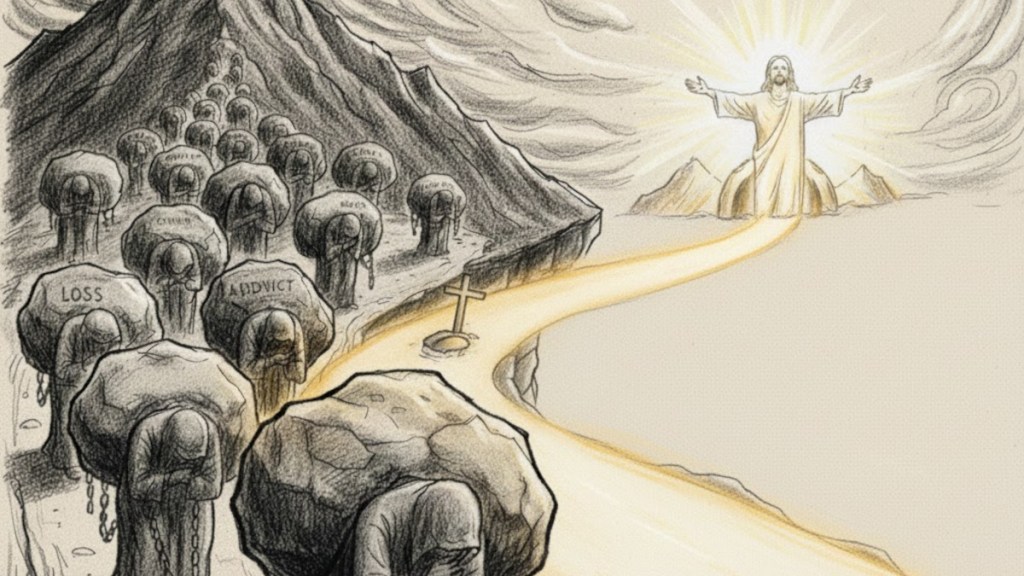
Life carries heavy sorrow. People walk through heartbreak, loss, sickness, conflict, addiction, and even death. Burdens can feel endless. Even strong people can feel worn down. Still, sorrow is not the final word. The Christian message does not pretend that life is easy. It recognizes deep pain and long nights of grief. At the same time, it holds to a clear promise: sorrow does not last forever.
Jesus spoke about a short season of pain followed by joy. His words pointed to his death and resurrection. His followers would grieve deeply when he died. Those who opposed him would celebrate. But that celebration would be brief. In a short time, joy would replace grief when he rose again.
True joy does not mean constant happiness or forced cheer. Joy is deeper than feelings. It is a steady sense of well-being rooted in truth.
The Bible also connects joy to prayer. Believers are invited to speak freely to God, trusting his care. Prayer is not about earning favour. Because of Jesus, believers are already loved. They can ask with confidence, knowing God listens and cares. This relationship itself brings joy and strength, especially in hard seasons.
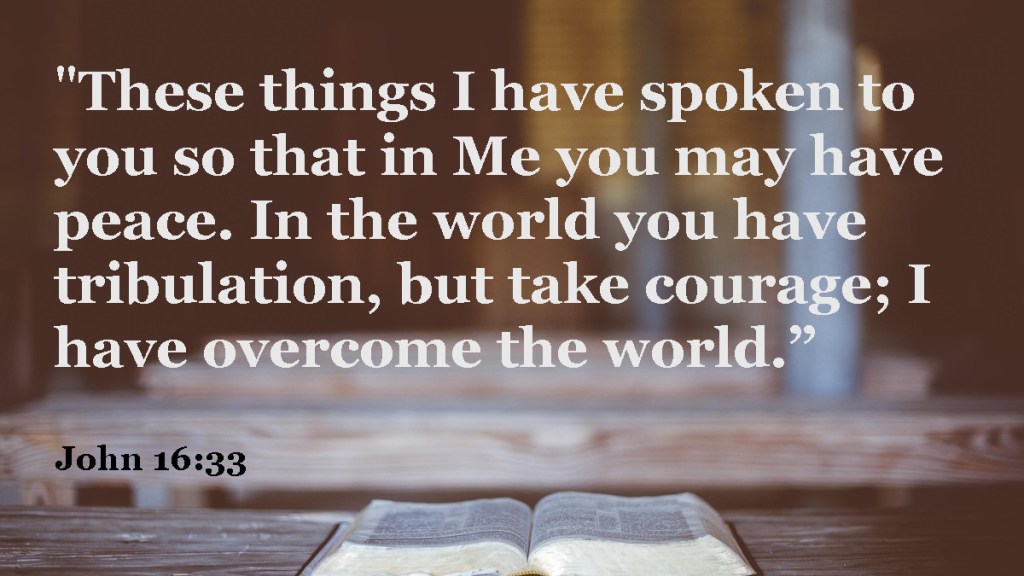
The world offers trouble, not lasting peace. Yet believers can face these things with courage because the outcome is known. Jesus has overcome the world. His victory is certain, and those who belong to him share in it.
The flood waters had receded, and humanity received a second chance. Noah emerged from the ark to restart civilization, much like Adam had begun it in the garden. God blessed Noah and instructed him to multiply and fill the earth. The animal kingdom was placed under his care. Despite the devastation of the flood, people still bore God’s image. Everything pointed toward a fresh beginning.
Yet the same problems that plagued the first man would plague this new patriarch. Noah was described as righteous, faithful, and blameless among his peers. With such credentials, expectations ran high that he would succeed where Adam had failed. But the human heart remained unchanged. Noah would stumble just as Adam did, proving that even after judgment and renewal, sin persists.
After leaving the ark, Noah turned to agriculture and planted a vineyard. Years of cultivation passed before he could harvest grapes and produce wine. Then he drank too much, became drunk, and collapsed naked inside his tent. Wine itself is not evil, Scripture celebrates it as one of God’s good gifts. But like all good things, sin twists it into something harmful. Drunkenness is explicitly forbidden, and excessive drinking leads people into foolishness. Even a righteous man can become a drunkard by lingering too long over alcohol. For some people, the wisest choice is complete abstinence.
However, Noah’s drunkenness was not the central issue. His son Ham discovered his father in this shameful state. Rather than showing respect, Ham stared at his father’s nakedness and seemed to take satisfaction in it. He then eagerly announced what he had seen to his brothers outside the tent. This violation cut deeper than it appears. At that time, Noah held every position of authority that God had established. Ham’s actions broke the command to honour one’s father and mother.
Disrespecting legitimate authority in any sphere dishonours Christ who delegates all proper authority. The command to honour parents extends beyond childhood to respecting those superior in age, experience, and position. Ham should have protected his father’s dignity and covered his weakness with love. Instead, he took pride in exposing Noah’s failure and quickly spread the news.
Ham’s two brothers, Shem and Japheth, responded differently. They took a garment, placed it on their shoulders, and walked backward into the tent to cover their father without looking at him. They went to considerable trouble to preserve Noah’s honour. Their respect was not based on Noah’s behaviour but on his position. Even when authorities fail, their office deserves respect. This gracious response demonstrated God working in their lives.
When Noah awoke and learned what Ham had done, he pronounced both curse and blessing. He cursed Canaan, Ham’s son, declaring that Canaan would serve his brothers. This curse applied specifically to Canaan and his descendants, who would display the same sinful patterns as their father. It has nothing to do with racial inferiority or justifying slavery. The curse was fulfilled when Israel conquered the land of Canaan centuries later.
Noah blessed Shem, speaking of God’s special relationship with him. Shem’s descendants would be favoured by God and rule over Canaan. Noah also blessed Japheth, saying he would be enlarged and dwell in Shem’s tents, indicating that Japheth’s descendants would share in Shem’s blessings.
These pronouncements connected to God’s earlier promise that a descendant of the woman would crush the serpent’s head. Shem’s line led to Abraham and the Jewish people. Through the tribe of Judah, God preserved his people until Jesus Christ came into the world. Christ, a descendant of Shem, perfectly obeyed God’s law and secured the righteousness that God requires. He gave his life to pay for sin. Though the enemy wounded him at the cross, Jesus destroyed the serpent’s power and proved it through his resurrection.
The blessing on Japheth found fulfillment when the gospel spread beyond Israel to all nations. Unless someone has Jewish ancestry, they descend from Japheth and enter God’s family through faith in Christ.
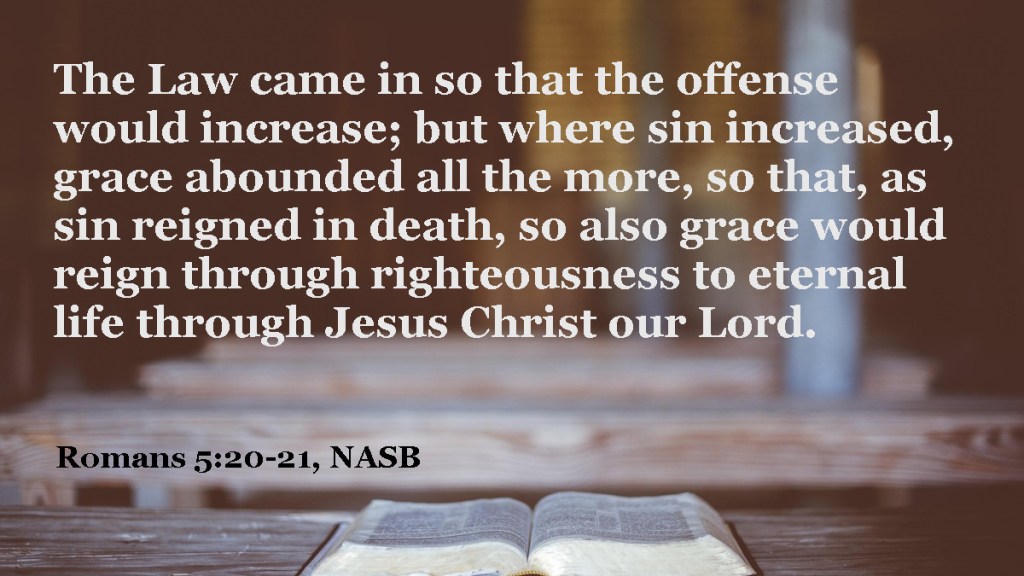
Sin distorts everything good that God provides, but grace always overcomes sin. No matter how serious someone’s offences against God may be, there is more grace available in Jesus Christ than sin in any person. God receives people only by grace. This was true for Noah, for ancient prophets, and for every believer today.
Ernie Haase & Signature Sound has welcomed a new member to its lineup. The group’s new keyboard player, Braden Neal, brings both youthful energy and a strong passion for Southern gospel music.
Braden is 23 years old. He was born in Knoxville, Tennessee, but has spent most of his life in Bonners Ferry, Idaho. His love for gospel music began at the age of seven when he first heard the music of Anthony Burger.
“I was introduced to southern gospel music at the age of 7 when I first heard the music of Anthony Burger,” Braden said. “I grew in my love for gospel music and folks like Stan Whitmire, Gerald Wolfe and Kim Collingsworth have influenced my playing.”
Fans are encouraged to greet him as he joins the group on tour. “Be sure to say hi to Braden when you see him on the road!”
Ernie Haase & Signature Sound continues to share their message through songs such as “He Did It All For Me.”







 Texas Gospel Canada Southern Gospel Radio