

BOB RICHMOND
The church today faces a crisis deeper than most people realize. Society constantly tells believers what is now acceptable, blurring the lines between right and wrong until basic truths are disputed. Those who hold to biblical standards are often labelled hateful. This presents a real problem for Christians who are called to love everyone genuinely while standing firm on God’s word.

The church will rally around someone struggling with alcohol or drugs, but when it comes to sexual sin, many act as if this area is off limits. The idea that personal choice automatically makes something right has taken hold. This is not biblical Christianity. God’s word remains clear and unchanging. One major reason revival has not come is that believers have adopted the notion that certain choices are beyond judgment. The issue is not about condemning people but about seeing Jesus clearly. When believers truly see the holy God of scripture, everything else becomes clear.
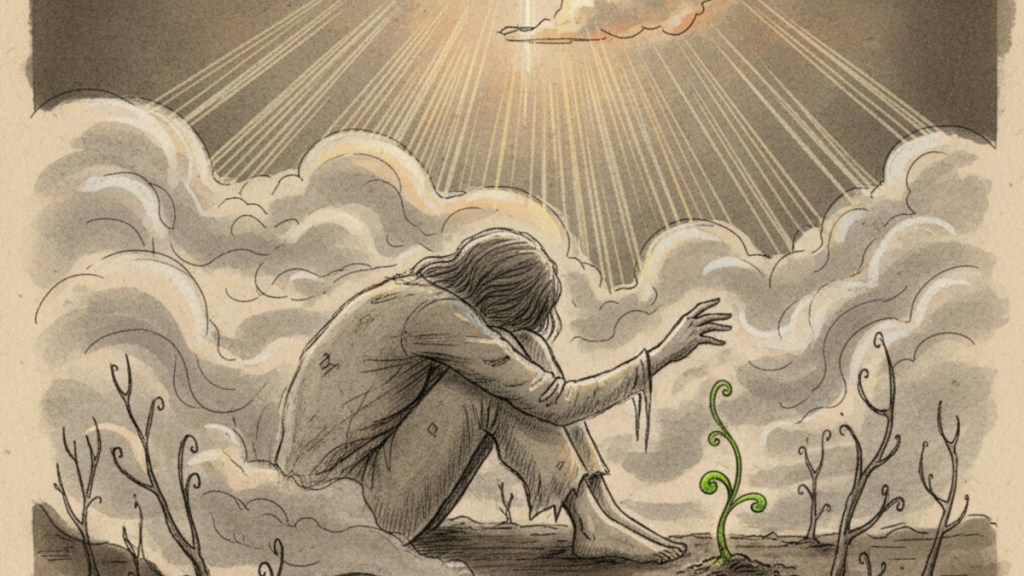
Revival begins with a desperate cry for God to tear open the heavens and come down. God is near, right beside his people, but they often fail to recognize his presence. A spiritual battle rages constantly, and believers should cry out for God to help them believe what they cannot see. Revival cannot be manufactured. It is the presence of God himself. Nothing is too powerful for God to overcome. Even someone who has lived in terrible sin for years can experience revival. God seeks broken people so he can heal them. Where there is honest dissatisfaction with one’s spiritual state, seeds of revival are being planted.
For the Son of Thy love
For Jesus who have died
And now is gone above
Halleluiah, Thine the Glory
Halleluiah, Amen
Halleluiah, Thine the Glory
Revive us again
Revival requires a return to godly fear. This means more than caring about what God thinks. If God fully revealed himself, mountains would bow down before him. People today are too casual about God’s holiness and his awe-inspiring power. When a church loses its respect of God, it loses its power, because its power is God himself. True revival restores the understanding that God is holy, powerful and near.
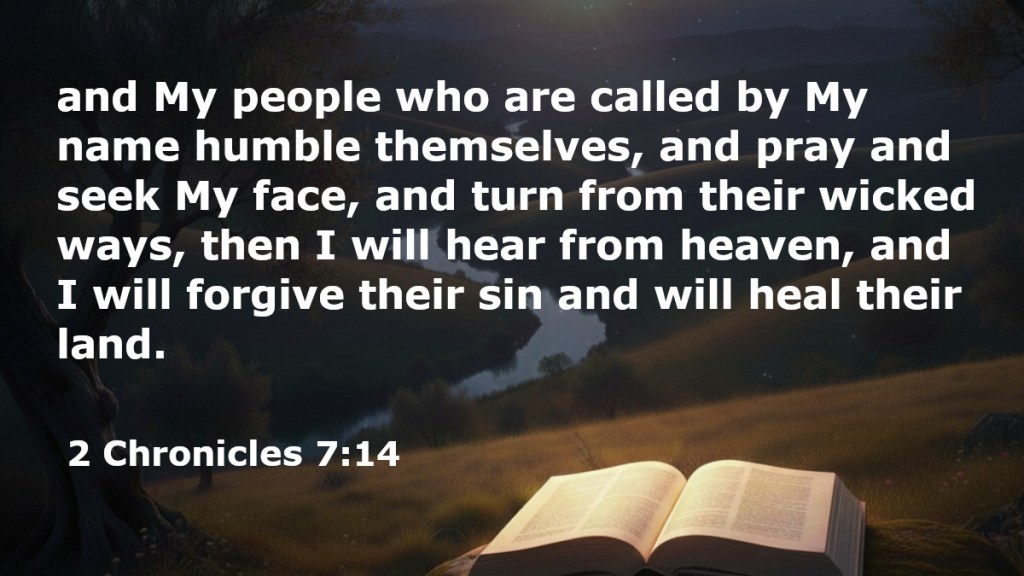
Revival does not start with the world or with politics. It depends entirely on God’s people. If they humble themselves, pray, seek his face and turn from their wicked ways, then God will hear from heaven, forgive their sin and heal their land. The problem is not what others are doing but what believers themselves have done.
Revival is the reshaping of God’s people, remaking them into vessels fit for the treasure they carry, which is God himself. Revival starts with a kneeling saint. The time to respond is now.

 Texas Gospel Canada Southern Gospel Radio