Understanding Righteousness: Law vs. Faith

TEXAS GOSPEL STAFF

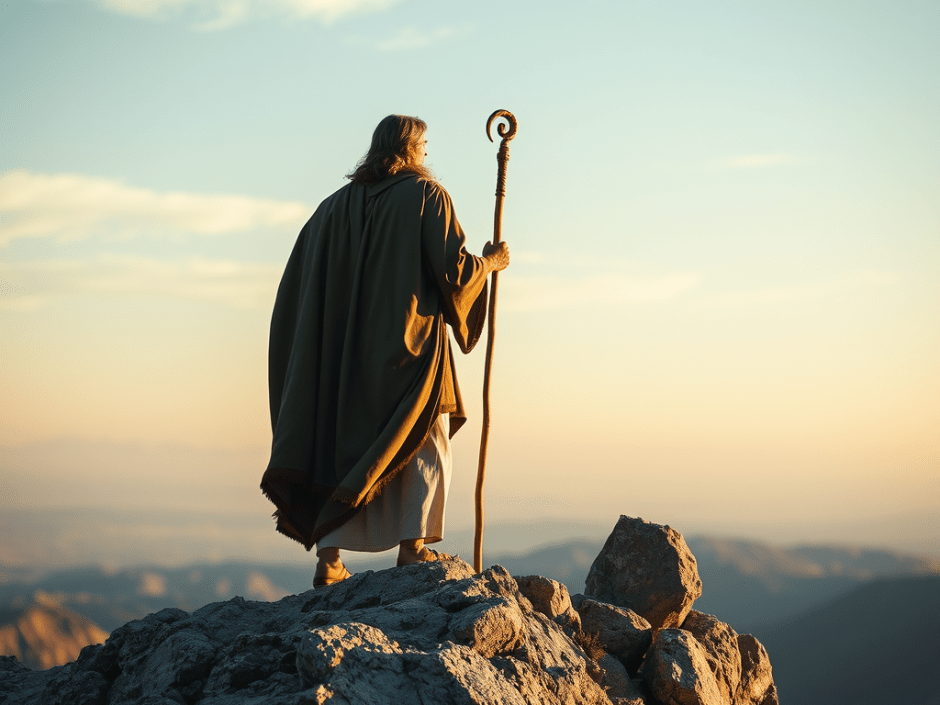
Moses described righteousness through the law, saying, “The person who obeys these commands will live by them.” Paul, however, speaks of a righteousness based on faith. This doesn’t require impossible tasks like ascending to heaven or descending to the depths. Instead, it declares, “The message is near you, in your mouth and in your heart.” This is the message of faith we preach.

Paul wasn’t contrasting Moses’ covenant with Christ’s. Even in Deuteronomy, Moses pointed to the covenant of grace—a promise that has existed throughout all time. This covenant opposes the one given to Adam, which demanded perfect obedience. Paul lamented that his fellow Israelites, despite their zeal for God, misunderstood this. They tried to establish righteousness through their own efforts rather than accepting God’s gift of grace through faith in Christ.

The righteousness of the law demanded perfect, uninterrupted obedience—every action, thought, and desire aligned with God’s will. Falling short, even slightly, meant failure. In contrast, the righteousness of faith doesn’t demand perfection. It doesn’t ask us to earn God’s favor but instead calls us to trust in Jesus, who justifies the ungodly and imputes righteousness through faith. As Scripture says, “Abraham believed God, and it was counted to him as righteousness.”

This new covenant doesn’t require payment for sins because Christ has already paid the price. It offers forgiveness and salvation freely through faith. Unlike the unattainable demands of the law, this covenant is near and accessible. It invites us to bring our sins to God, who forgives them completely. We are justified not because we are righteous, but because God justifies those who believe in Him. So, believe in Jesus, and you will be saved.

Staying Connected to Christ

TEXAS GOSPEL STAFF

The Church, made up of believers, is the body of Christ, with Jesus as its head. Our spiritual life and growth come from Him alone. Throughout your journey as a Christian, you may encounter people or movements promising unique ways to deepen your faith—through extreme practices, unusual rituals, or dramatic experiences. They might claim that without these, your faith is lacking.

However, these distractions often lead away from what truly matters: a steady, faithful walk with Christ. The Christian life is not about chasing trends but about consistent connection to Jesus. This means meeting Him daily in His Word, confessing sin, seeking His grace, and regularly gathering with fellow believers. It involves prayer, service, and staying rooted in Him.

Ephesians 4:15-16 reminds us that “we will grow to become in every respect the mature body of Him who is the head, that is, Christ.” As we remain connected to Him, Jesus will strengthen and sustain us, shaping our faith over a lifetime.

Lebanese Seminary Opens Doors to Displaced Families Amid Ongoing Crisis

TEXAS GOSPEL STAFF

Lebanon has faced decades of conflict and economic challenges, which continue to have a significant impact on the region. The ongoing war has displaced an estimated 1.3 million people, adding to the country’s humanitarian crisis.

The Arab Baptist Theological Seminary (ABTS) in Beirut has responded by offering assistance to those in need. According to Loulwa Maalouf, a representative from the seminary, crises, wars, and disruptions are not new to the region. Despite these challenges, ABTS remains committed to serving its community.

On November 10, ABTS took in its first family displaced from South Lebanon. Since then, the seminary has expanded its efforts, now sheltering and providing meals to hundreds of displaced individuals. It has opened its guest house and academic residence to accommodate families affected by the conflict.

In addition to housing, ABTS provides essential services such as utilities, meals, and laundry facilities. The seminary also collaborates with other ministries to deliver youth services and additional support for displaced families.

While ABTS continues its humanitarian work, the academic year for its 240 students recently came to an end. In a statement on its website, the seminary acknowledged the mixed emotions surrounding the conclusion of the academic year. “It’s a bittersweet moment where we finalized signatures of the degrees, but must wait to celebrate,” the post read.

The work of ABTS highlights the ongoing challenges faced by displaced families in Lebanon and the role local organizations play in providing relief during times of crisis.

INTERNATIONAL: Rise in Anti-Christian Hate Crimes in Turkey Raises Concerns

TEXAS GOSPEL STAFF

Reports show a significant rise in hate crimes targeting Christians in Turkey. Data from the Freedom of Belief Initiative (FOBI) highlights that such incidents have more than doubled over the past two years. In 2021, ten incidents were recorded, while in 2023, the number rose to 22.

Christians remain the primary victims of religious hate crimes in Turkey, with a total of 52 cases documented since 2020. These crimes range from harassment and property damage to acts of violence. The true scale of the issue may be higher, as many victims reportedly do not come forward due to fear of social exclusion.

The Organization for Security and Cooperation in Europe (OSCE) has also noted several hate crime incidents against Christians in Turkey. These include not only physical violence but also broader patterns of intimidation. In addition, the Alliance Defending Freedom (ADF) reported in 2023 that Turkish authorities have increasingly targeted Christian pastors, missionaries, and their families with deportation orders and permanent re-entry bans.

Turkey’s treatment of its Christian minority is part of a broader historical and modern trend. Christians, who made up about 25% of the region’s population before 1914, now represent less than 0.5%. This dramatic decline follows decades of persecution, including the Armenian genocide from 1915 to 1916. During this period, approximately 1 million Armenian Christians were killed through mass executions, starvation, and other atrocities orchestrated by Ottoman authorities.

January 2024, Two gunmen burst into Church of St. Mary Draperis in Istanbul. ISIS claimed responsibility.

Turkey is ranked 50th on Open Doors’ World Watch List, which assesses global persecution of Christians. Factors like Islamic oppression and authoritarian governance contribute to the challenges faced by Christians in the country today.

The rise in anti-Christian hate crimes in Turkey occurs amidst a broader increase in such incidents globally. For example, the Observatory on Intolerance and Discrimination against Christians in Europe (OIDAC Europe) recently reported a 226% jump in hate crimes against Christians in Europe within a single year.

While the challenges faced by Christians in Turkey are not new, the growing frequency of targeted crimes underscores the ongoing risks for this minority group in a nation with a long history of religious conflict.

The Importance of Sharing the Gospel: A Biblical Perspective

DAVID INGRAM

Jesus gave a clear command to His followers: “Go, therefore, and make disciples of all the nations, baptizing them in the name of the Father and the Son and the Holy Spirit” (Matthew 28:19 NASB). This Great Commission calls all believers to spread the Good News, not just through distant missions or donations, but through personal action and involvement.

In Mark 16:15, Jesus instructed His disciples to go into all the world and preach to all creation. This mission isn’t about hiding behind screens or only supporting missionaries; it’s a direct call for each believer to actively share the gospel.

Worship services are important for gathering, singing hymns, taking communion, and honoring God. However, we are called to do more. We must take an active role in fulfilling the Great Commission. Have you shared the gospel in your community? Have you personally gone out to spread the message of Jesus Christ?

Let’s not limit our faith to church walls. Instead, let’s embrace the command to make disciples everywhere we go.