
The Battle Between Flesh and Spirit

DAVID INGRAM

Living by the Spirit is the core of the Christian life, as those who belong to Christ are no longer under condemnation. When a person is saved, their life transforms—they no longer follow the flesh but are guided by the Holy Spirit. The gospel offers two foundational truths: freedom from condemnation and a life led by the Spirit. These are not merely doctrinal points but are meant to fuel a holy life.

The distinction between living by the flesh and by the Spirit goes back to creation. Initially, the soul was meant to guide the body, but when sin entered, this order was reversed. Humans became driven by their bodily desires—an existence shaped by the flesh rather than the Spirit. Those who are not saved by Christ continue in this state, bound by the desires of the flesh.

But there’s hope. When someone is regenerated by the Holy Spirit, the order is restored. The soul regains its authority over the body, and a person can live according to God’s Spirit. Christ offers this restoration, enabling believers to live a life free from the power of sin. This transformation is central to Christian life and testimony.

Therefore, living by the Spirit is not an optional extra for believers. It’s the sign of their freedom from condemnation and their connection to God’s Spirit. Christians are called to reject the ways of the flesh and embrace this new life that Christ has made possible.

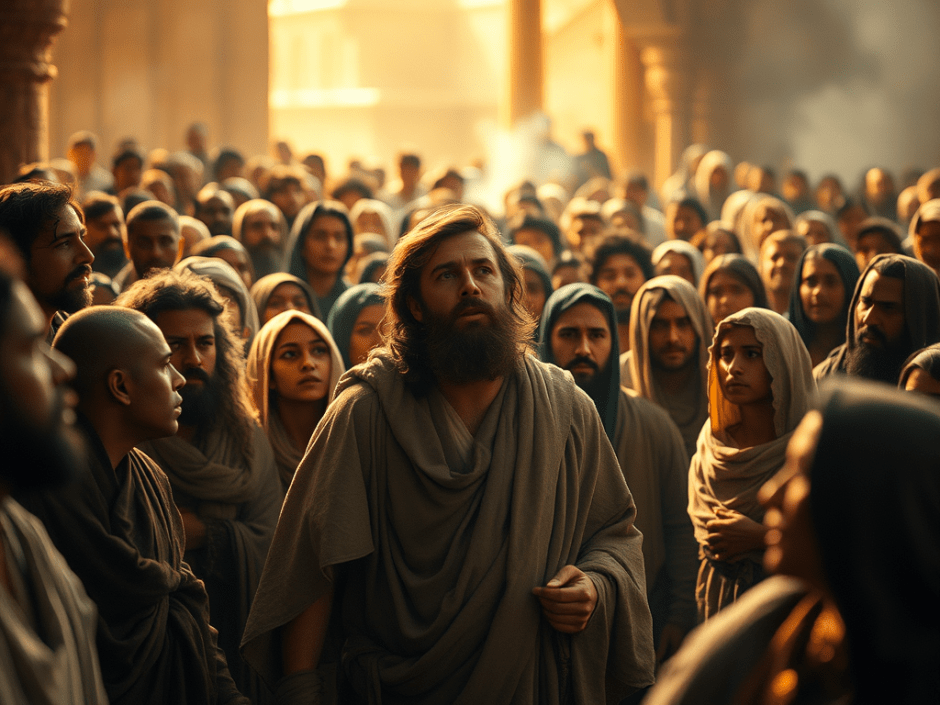
The Urgency of the Gospel: Lessons from the Early Church

TEXAS GOSPEL STAFF

Ezekiel 33:4 warns that those who hear the trumpet and ignore it bear responsibility for their fate. This, coupled with the Holy Spirit’s outpouring in Acts 4:31, highlights the urgency of the gospel and the responsibility to respond. The filling of the Spirit, though often accompanied by miraculous signs, was meant to empower believers to spread the gospel, not just perform wonders.

While the early church experienced miraculous gifts, the true focus was on heart transformation. Every believer was called to develop the fruits of the Spirit—love, joy, peace, and kindness—reflecting Christ’s character in everyday life. This inner transformation was more significant than outward signs like speaking in tongues.

Christianity calls for a deep, personal change. When someone accepts the gospel, they receive the Spirit, leading to a new life marked by love for God and others. The early believers’ love for one another made a powerful impact, as they shared what they had and served the needy, embodying Christ’s love.

As Christianity spread, persecution followed. Yet, despite opposition, the gospel continued to thrive. The faith of the early Christians in the face of suffering was a powerful testimony, proving the strength of their message and the unstoppable nature of God’s kingdom.

Though the church faced periods of decline, the vision of a Christian world remains—a time when justice and peace will prevail. This future hope should inspire believers to reflect on their current lives and strive to live out their faith, bringing the love of Christ to a world in need.

Understanding Unbelief: Its Impact on Faith and Salvation

TEXAS GOSPEL STAFF

One righteous person can save a city, much like Elisha in Samaria, where the king and people had turned to idols, abandoning God. Because of their sin, God allowed their enemies to oppress them. Yet, Elisha, God’s servant, brought hope, prophesying that food would soon be affordable despite the dire conditions.

The people rejoiced at Elisha’s words, but one official doubted, claiming that even divine intervention wouldn’t make it happen. His disbelief was sinful, especially after witnessing Elisha’s miracles, including Naaman’s healing and the defeat of armies. Despite overwhelming evidence, he mocked the prophet’s promise, leading God to declare that he would see the miracle but not benefit from it.

When the prophecy was fulfilled, the official was trampled in the streets of Samaria, witnessing the miracle but unable to enjoy it. This story illustrates two key points: the man’s sin and its consequences, specifically the sin of unbelief.

Unbelief manifests in various forms, from a false humility that questions God’s forgiveness to doubts about His power. Some deny God outright, while others refuse to acknowledge their doubts as sinful. It’s surprising how many don’t see unbelief as a sin, even though the Bible clearly states it is.

Unbelief is serious because it leads to other sins. The fall began with Eve’s doubt, and since then, it has fueled countless wrongdoings, including the murder of Jesus. Unbelief encourages sin and hardens hearts, preventing people from recognizing their need for salvation.

For believers, unbelief can be even more damaging. It can lead to other sins and a lack of faith, impacting their actions. When faced with trouble, a strong belief in God’s provision leads to righteous actions, while doubt can result in sin.

Unbelief stifles good works and can hinder the effectiveness of prayers and worship. It serves as a barrier between individuals and the Gospel, making it impossible to please God without faith.

In summary, unbelief is not just a lack of faith; it is the root of sin that damages our relationship with God and limits our ability to do good.

‘Almost’ Christian vs. True Christian: Key Differences

TEXAS GOSPEL STAFF

In Acts 26:28, King Agrippa says, “Almost you persuade me to be a Christian.” Many people have come close to becoming Christians but stop short. However, being “almost” Christian isn’t enough in God’s eyes. It’s important to understand what it means to be “almost” Christian and what it means to be a true Christian.

Being “almost” Christian means living with good morals, honesty, and kindness, like non-Christians who follow basic moral rules. You don’t lie, steal, hurt others, or break promises. You might even go to church, pray, and act religiously. But without true faith and love for God and others, you’re still just “almost” Christian.

To be a true Christian, you must love God with all your heart and soul, and love others as yourself. True Christianity also involves faith in Jesus, which changes how you live, fills you with love, and gives you peace and joy. True faith leads you to fully trust in God and live for Him.

In short, being “almost” Christian is not enough. True Christians have love for God and others, and live by faith.

Staying Focused on God’s Plan

TEXAS GOSPEL STAFF

In Acts 15:39-16:10, we read about a sharp disagreement between Paul and Barnabas. They couldn’t agree on whether to bring John Mark with them on another missionary journey. This led them to part ways, with Barnabas taking Mark to Cyprus and Paul choosing Silas to join him in spreading the gospel.

Though the conflict was emotional, God used it to multiply the impact of their ministry. Despite their disagreement, both teams remained focused on God’s mission.

Even today, believers may face conflicts, but we must stay focused on God’s purposes. Our unity in the gospel helps us overcome differences and continue doing Kingdom work. When we focus on His plan, God can work through even difficult situations for His glory.

Paul and Silas continued their journey, meeting Timothy in Lystra and welcoming him as a new companion. Despite initial plans to travel in a different direction, the Holy Spirit led them to Macedonia through a vision. This shows how important it is to stay sensitive to the Spirit’s leading.

We might not always understand God’s plan, but if we remain obedient and focused on His will, we can trust that He will guide us to where we need to be.

How do you stay focused on God’s purposes in your life, even in times of disagreement or uncertainty?