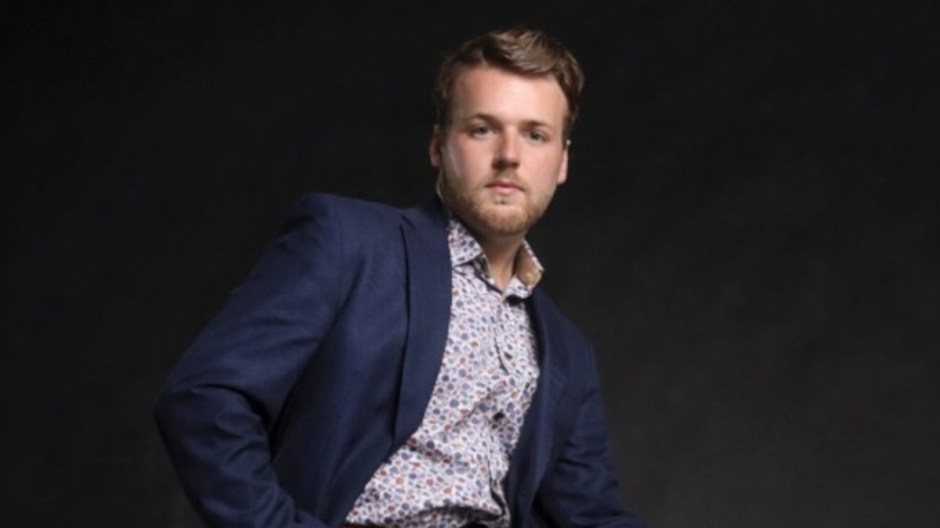
Ernie Haase & Signature Sound has welcomed a new member to its lineup. The group’s new keyboard player, Braden Neal, brings both youthful energy and a strong passion for Southern gospel music.
Braden is 23 years old. He was born in Knoxville, Tennessee, but has spent most of his life in Bonners Ferry, Idaho. His love for gospel music began at the age of seven when he first heard the music of Anthony Burger.
“I was introduced to southern gospel music at the age of 7 when I first heard the music of Anthony Burger,” Braden said. “I grew in my love for gospel music and folks like Stan Whitmire, Gerald Wolfe and Kim Collingsworth have influenced my playing.”
Fans are encouraged to greet him as he joins the group on tour. “Be sure to say hi to Braden when you see him on the road!”
Ernie Haase & Signature Sound continues to share their message through songs such as “He Did It All For Me.”
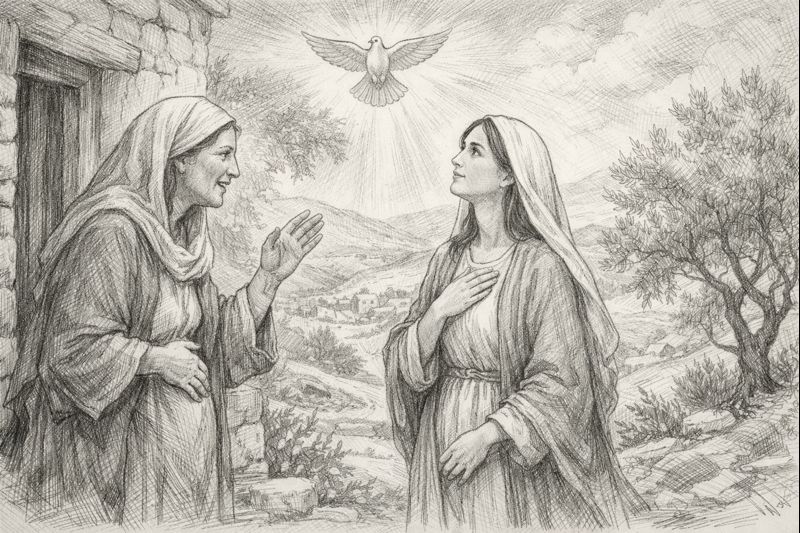
When Mary travelled to visit Elizabeth in the hill country of Judah, she received a remarkable greeting. Elizabeth, filled with the Holy Spirit, declared Mary blessed three times. This led Mary to speak words that have been preserved for all time, words about God’s character and his faithfulness to his promises.
Mary and Elizabeth, IRS Images, 2025
Mary’s response came from a place of deep humility. She recognized the great honour bestowed upon her, yet she never imagined anyone would worship or pray to her. Instead, her words directed all praise toward God. She rejoiced in God as her saviour, acknowledging her own need for forgiveness. The child she carried would be the one to save her eternal soul, a reality that demonstrates the mystery of God’s plan.
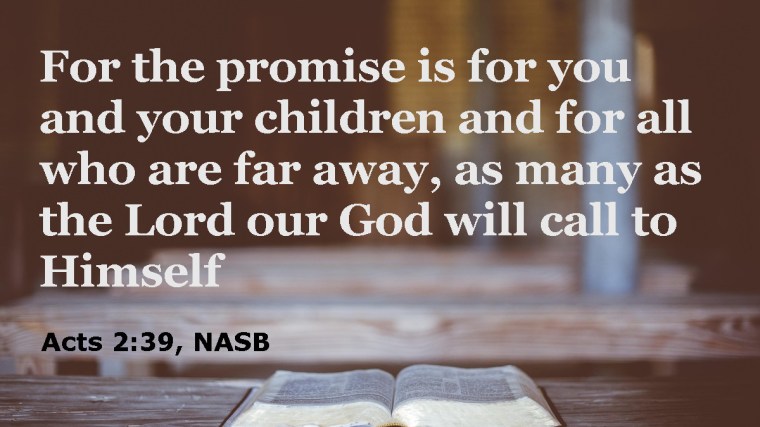
The holiness of God stands at the centre of Mary’s praise. God remains separate, infinitely high and exalted. His mercy extends from generation to generation to all who fear him. This promise reaches beyond any single family line to encompass everyone God calls, including those who were once far from him. The early church understood this continuation of God’s covenant promises, recognizing that salvation comes to all whom the Lord calls.
The promise given to Abraham finds its fulfilment in Mary’s son. God remained faithful to his covenant through Isaac, Jacob, Judah, David, and finally to this young woman from Nazareth. The one she carried would reign forever as King of Kings. These ancient promises connect believers across all time periods into one kingdom under Christ.
Mary understood she was living in a crucial moment of redemptive history. The world would never be the same after the birth of her son. We share in the same kingdom as Abraham, Moses, David, and all the saints throughout history, joined together as one church under Jesus Christ.
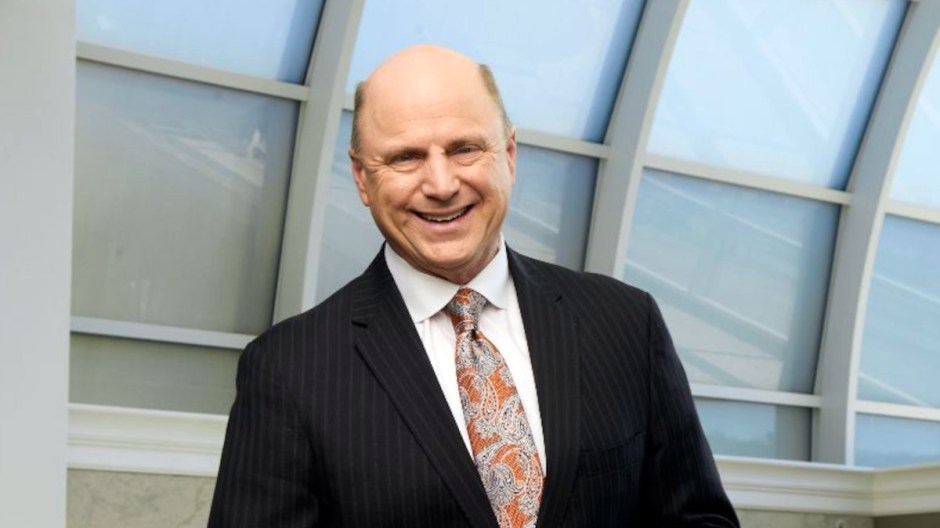
Rodney Griffin of Greater Vision underwent surgery on Monday. Griffin opened up about what led to the procedure and what he expects in the weeks ahead.
The trouble began roughly a year ago. “I started having pain down my left leg when I was on the stage,” Griffin explained. “Very uncomfortable, but I just tried to grin and bear it.”
He did not ignore the problem. He sought help from a chiropractor and a pain specialist before doctors ordered an MRI. The scan revealed the root cause. “I’ve just got no disc there between two of the vertebrae,” he said, “so it kind of makes sense where the pain’s coming from.”
That finding led Griffin to the operating table. He underwent a lumbar fusion procedure on Monday. The timing of the surgery means Griffin will miss an upcoming cruise event with his bandmates. “I won’t be on the cruise this week with the guys,” he said. “I will miss that badly.” Veteran singer Jim Brady is stepping in to fill his spot. “The great Jim Brady is filling in for me,” Griffin noted. “He will do an incredible job.”
Despite the surgery, Griffin is hopeful that his absence from the stage will be brief. A scheduled break following the cruise works in his favour. “We had a planned break after the cruise, so I’ll have almost three weeks to recover before I get back on the bus,” he said, adding, “Won’t be missing any concerts, Lord willing.”
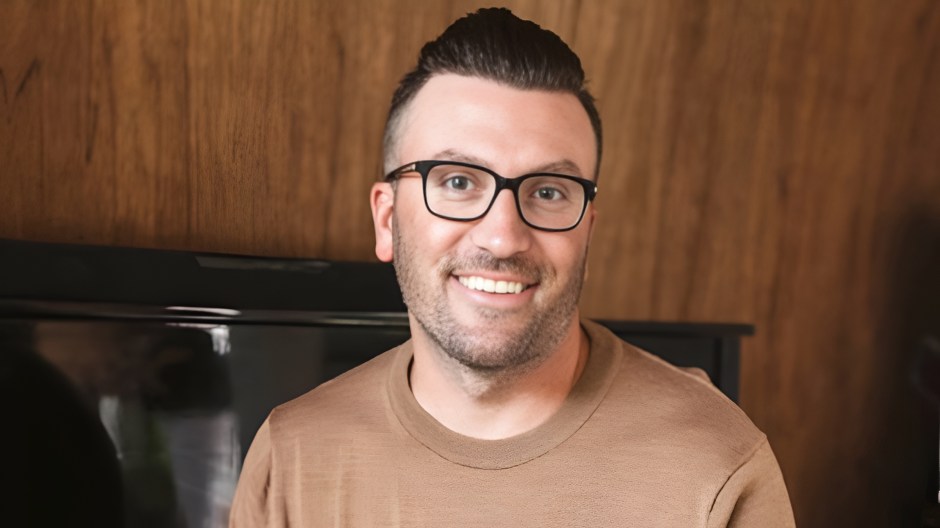
Tyler Vestal has a new role in gospel music. He has joined Lee Park Worship as Band Director, bringing more than a decade of professional experience to the position.
Vestal spent 11 years as a keyboardist with Ernie Haase & Signature Sound, one of the most well-known groups in Southern Gospel music, before recently departing the ensemble.
Lee Park Worship is part of Lee Park Church in Monroe, North Carolina, a congregation led by Pastor Chris Justice. The group is currently in the studio working on new music.
Fans can get a feel for what the group has to offer through their contribution to We Shall Behold Him: A Tribute to Dottie Rambo, on which they perform the song “If That Isn’t Love.”
In John 3, Jesus tells Nicodemus that a person must be born of water and the Spirit to enter God’s kingdom. Some have thought “water” means physical birth, like when a mother’s water breaks, but that idea doesn’t seem to fit the context. Others believe it means baptism alongside spiritual birth, but I believe this also misses the meaning.
I believe the right understanding comes from the Old Testament, specifically Ezekiel 36. In that prophecy, God promises to cleanse His people, give them a new heart, and put His Spirit within them. The “water” speaks of being made clean from sin, and the “Spirit” refers to God’s Spirit giving new life.
Jesus was pointing Nicodemus to this promise, showing that entering God’s kingdom requires both cleansing and renewal from God.
He saved us, not on the basis of deeds which we did in righteousness, but in accordance with His mercy, by the washing of regeneration and renewing by the Holy Spirit,


 Texas Gospel Canada Southern Gospel Radio