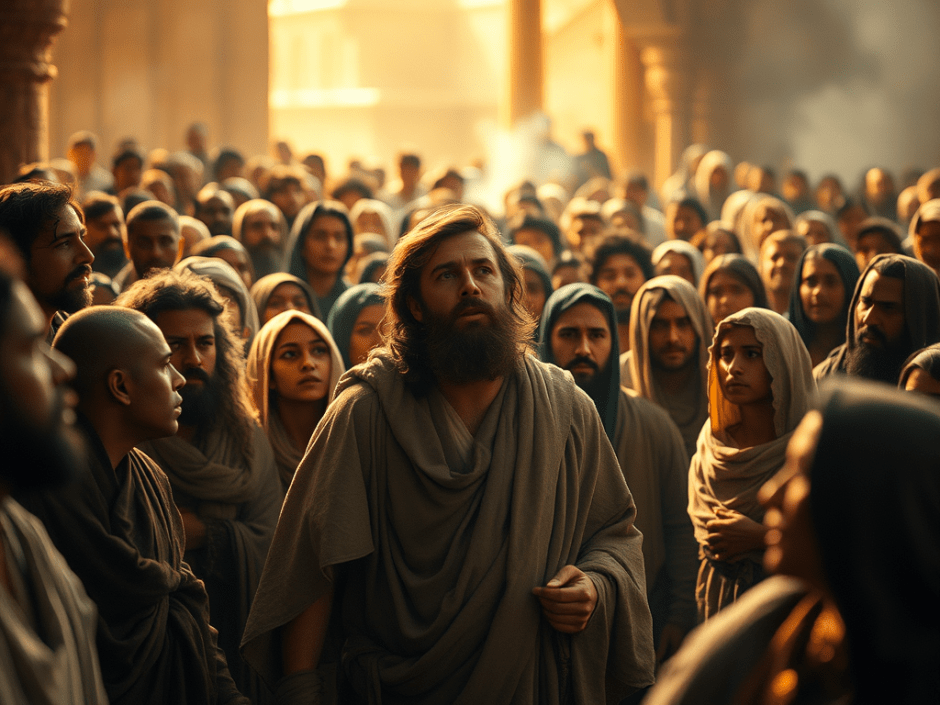
The Danger of Ignoring Sin in Spiritual Growth

TEXAS GOSPEL STAFF

It is unfortunate that some people today teach that spiritual growth means ignoring sin or pretending it doesn’t exist. This is a dangerous misunderstanding of holiness. True spiritual growth involves acknowledging sin, confessing it, and fighting against it with the help of the Holy Spirit. Ignoring sin doesn’t make us holy; it allows sin to take over our lives.

    This teaching goes against the very foundation of the Gospel. Christ laid the foundation of our faith by dying for our sins and offering salvation through grace. Ignoring sin undermines that sacrifice. The true Gospel leads us to repentance and change, not complacency. Any teaching that promotes denial of sin is a false gospel, and Christians should reject it.

    Instead, we need the Holy Spirit to help us understand the truths of the Gospel and to guide us away from false teachings. Christ’s work on the cross is more than enough to save us, but we must not abuse that grace by allowing sin to go unchecked. Spiritual growth comes from recognizing our sin and relying on the Spirit to lead us toward holiness.

    The True Cause of Misery: Sin and Consequences | Texas Gospel Staff

    TEXAS GOSPEL STAFF

    Three things make life miserable: sin, condemnation, and suffering. We all know that life is full of troubles and hardships. People face poverty, sickness, insults, and exile. Ancient philosophers also thought about the misery of life, often more deeply than many Christians do. They saw everyday needs like eating, drinking, and sleeping as burdensome. They considered the body a weight on the soul and viewed the pursuit of fame, pleasure, and success as sources of misery and frustration.

    But the true cause of all this misery is sin and its consequences. The Bible tells us that the root of our troubles is turning away from God and living according to our own desires. This has brought suffering not just to people but to the whole world. God told Adam that because of sin, life would be filled with sorrow and the ground would be cursed. Adam, who was once immortal, would return to dust.

    The end of this misery reflects the beginning. Just as sin brought great suffering, punishment follows, leading to eternal separation from God. The difficulties of this life are just a glimpse of the greater punishment to come. If you live according to the flesh, you face not only physical death but also eternal death.

    However, the gospel offers a remedy. Jesus Christ came to remove sin, which is why His name means “He will save His people from their sins.” He is the Lamb of God who takes away the world’s sins. While sin led to condemnation, there is no longer condemnation for those in Christ Jesus. Jesus took on the curse of the law and removes sin through His Spirit. He offers two kinds of help: cleansing us from guilt with His blood and purifying us from sin with His Spirit.

    Even though we still face struggles, the true evil—sin and God’s wrath—is removed by Christ. Suffering and death are not eliminated but their sting is taken away. Through Christ, these hardships can work for our good. While we aren’t fully free from suffering now, Christ promises complete deliverance in the future. On that day, all sin, wrath, and misery will end, and we will be fully embraced by life and immortality.

    The Love of Money: Unveiling the True Message

    Floyd Rogers

    One of the most frequently misinterpreted Bible verses is 1 Timothy 6:10, which states, “For the love of money is a root of all kinds of evils.” Often, people mistakenly believe that money itself is the problem, viewing it as the source of all wrongdoing. However, the true message lies in the underlying motive—the love of money.

    In his letter, Paul warns that the desire to accumulate wealth can lead people into temptation and harmful desires, dragging them into spiritual destruction. He makes it clear that money is not inherently bad. Instead, it’s the obsession with it that opens the door to all sorts of evil. This craving can cause people to stray from their faith and make destructive choices.

    Paul’s teaching applies to everyone, whether they have much or little. It’s not the amount of money that matters, but whether our hearts prioritize wealth over God. This passage serves as a reminder to keep our focus on spiritual contentment rather than allowing material desires to dominate our lives.

    Are Christians told to avoid spending time with non-Christians?

    Floyd Rogers

    I visited a Pentecostal church back in the 80’s.  It was a very conservative congregation.  Standing outside near the front entrance was a shabbily dressed man smoking a cigarette.  He looked out of place in front of a church where folks were wearing their Sunday-best as they prepared to hear an old-fashioned hell-fire sermon. I’m ashamed to admit I hesitated to talk to the man who others ignored.  I was young, single, and what would the young ladies of the church think of me if the saw me talking to this visitor who seemed to be the kind of person the preacher warned you about? I won’t go into the details of this man’s story other than to say he was there because he had a relative who attended the church, and he was waiting to meet him after the sermon was over. I’m glad I stopped to talk to him. I think this is the kind of encounter Matthew wrote of when he wrote that Jesus spending time with tax collectors and sinners. It also shows that people today have the same kind of reactions and motivations that people had in Jesus’ day. It is something that opens the door to an important discussion of loving the sinner but rejecting the sin. Let’s look at some background and some of what Matthew had to say.

    Tax collectors during Jesus’ time were not respected.  They were known to collect more than the allotted amount and keep it for themselves.  They were considered crooks.  The 9th chapter of Matthew describes how a Tax collector named Matthew was called to follow Jesus. It also records the unfavorable reaction of those who saw Jesus with Matthew as they gathered with other tax collectors. This is important: I think the big take here is the judgement people made at seeing this and what Jesus said in response. Verses 12 and 13 record Jesus saying to them, “…It is not those who are healthy who need a physician, but those who are sick.  Now go and learn what this means: ‘I desire compassion, rather than sacrifice,’ for I did not come to call the righteous, but sinners.”

    I think these verses clearly tell us Jesus was with tax collectors and sinners to bring them the Gospel. I also think this scripture has implications. Consider, Matthew says Jesus was with them, but doesn’t say Jesus participated in their sin. It doesn’t record Jesus being in fellowship with them in the way 2 Corinthians forbids. While 1 Corinthians tells us, “Do not be deceived: “Bad company corrupts good morals,” doesn’t the context make it clear the writer speaks of “fellowship” with other church members who live in sin; that is, to accept the sin as having God’s approval? I think this speaks to corruption inside the church and is something quite different from Matthew’s point.  Matthew’s metaphor isn’t about corruption in the church. He speaks of bringing healing to the sick, a metaphor of bringing the Gospel to those who need it. To be clear here: Doesn’t Corinthians warn of condoning sin while Matthew speaks of loving sinners who need to repent? We may not know what conversations Jesus had with the tax collectors and sinners, but I think it’s important that he was there even though others would judge him for keeping such company.

    In summary, Jesus’ work was not restricted to the temple.  How many people go to church, sing hymns, listen to a sermon, and study the Bible, but seldom, if ever, share the Gospel outside of Christian company? Jesus didn’t limit himself to worship inside a church. He did not avoid “those” people to protect his witness. He went out to call the unrighteous to righteousness. It doesn’t say he handed out bible tracts and walked away, or even encourage folks to go to the synagogue. Matthew said he ate with them knowing well that others who thought they were among righteous would look on in judgement.

    What are your thoughts?