Understanding the Battle Within

FLOYD ROGERS

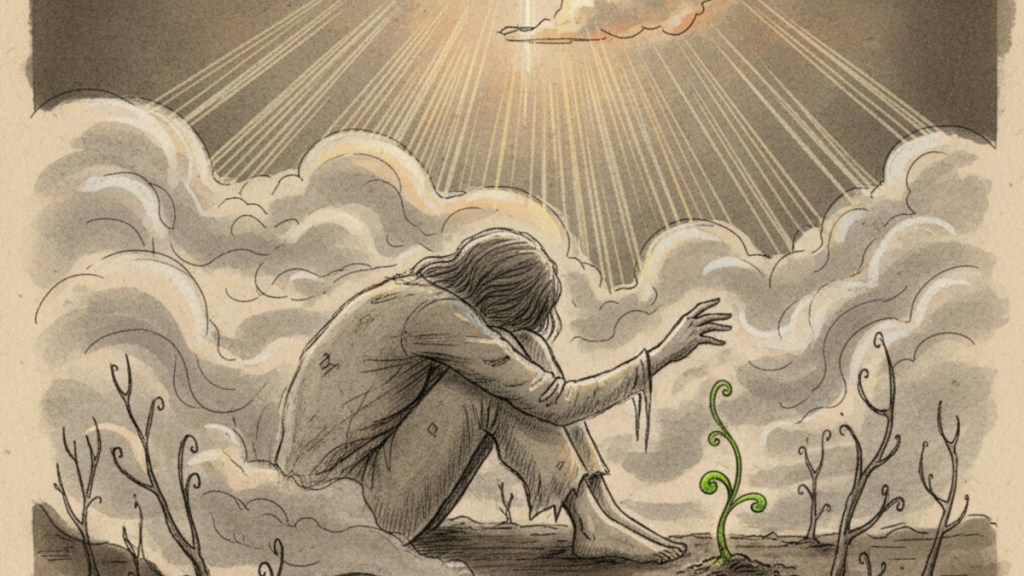
Every person faces an internal struggle that the Bible refers to as “the flesh.” This is not about the physical body but about the sinful nature we were all born with. It’s our sin-natural pull away from God. When someone chooses to follow Jesus Christ and receives Him as Saviour, the Holy Spirit begins to change their desires and thoughts, turning them toward God.

However, this transformation does not remove the old nature entirely. The ability to act in the ways we once did remains, and at any time we can be tempted to go back to old patterns of behaviour. This ongoing conflict requires constant attention and dependence on God.

The battle is real, but through God’s strength, it can be faced with courage and faith.

For the desire of the flesh is against the Spirit, and the Spirit against the flesh; for these are in opposition to one another, in order to keep you from doing whatever you want.

Galatians 5:17

How Adam’s Sin Affected All Humanity

JEFF TURNER

Romans 5:12 teaches that sin entered the world through one man, and death came as a result. This death then spread to all people because all sinned. Scripture explains that when Adam disobeyed, the whole human race was represented in him. Humanity is united in a way that God designed, so Adam’s choice affected everyone who came after him.

In this sense, all people sinned in Adam, and the sin nature has been passed down through every generation. From that moment in the garden, every person has been born under the reality of sin and death, and this will continue until God creates the new heaven and new earth.

Paul also gives a hopeful comparison. Just as Adam’s act brought sin and death to all, Christ’s work on the cross brings life to everyone who trusts in him.

For as in Adam all die, so also in Christ all will be made alive.

1 Corinthians 15:22

The Father’s Approval of the Son

JEFF TURNER

The Gospels show us two moments when God speaks from heaven about Jesus. Once at His baptism (Matthew 3:17) and again at His transfiguration (Matthew 17), the Father declares Jesus to be His beloved Son in whom He is well pleased. These statements raise a question: why was God so pleased with Jesus?

The answer lies in the nature of who Jesus is. From the beginning, He was holy and without fault. He lived a life entirely free from sin. This wasn’t just because He chose not to sin, but because He had no capacity for sin. Every action He took, every word He spoke, and even the things He chose not to do were perfectly in line with the Father’s will. His life was a constant reflection of God’s holiness.

Unlike humanity, who can only be considered righteous through faith and God’s grace, Jesus did not need righteousness given to Him. He was righteous in Himself, fully God and fully man, without flaw. The Father’s delight in Him was not new, but eternal. From before time began, the Son was loved by the Father, and that love was never broken.

For it was fitting for us to have such a high priest, holy, innocent, undefiled, separated from sinners, and exalted above the heavens;

Hebrews 7:26

Restoring Relationships with Compassion

FLOYD ROGERS

When someone you care about has fallen into sin or made a serious mistake, helping them find their way back isn’t always easy. True restoration takes time and patience. It’s not something that happens through debates or harsh words. Instead, it begins when a person guided by God approaches with kindness, understanding, and compassion.

When you genuinely walk with someone through their pain, you often carry part of their burden. You start to imagine how you might feel in their place. As they open their heart to you, you experience some of their sorrow and regret. This connection is part of what makes the process meaningful and healing.

Restoring a person spiritually mirrors the way Jesus treated others—with grace, mercy, and a welcoming spirit. It’s through gentle forgiveness and steady support that real change happens.

Brothers and sisters, even if a person is caught in any wrongdoing, you who are spiritual are to restore such a person in a spirit of gentleness; each one looking to yourself, so that you are not tempted as well.

Galatians 6:1

The Consequences of Sin

JEFF TURNER

Throughout the Bible, God consistently calls people to turn from their sins and believe in Christ. This message is clear and repeated often. However, there is a passage in the final chapter of Revelation that, at first glance, seems confusing. It says: “Let the one who does wrong still do wrong, and the one who is filthy still be filthy; and let the one who is righteous still practice righteousness, and the one who is holy still keep himself holy.” (Revelation 22:11, NASB).

At first, it might appear as if sinners are being encouraged to remain in their sin. But that is not the true meaning. The message here is about the lasting consequences of a person’s choice in response to the Gospel. Those who reject the truth and continue in sin will remain that way for eternity, separated from God. In contrast, those who accept the Gospel, live righteously, and show true faith will continue in holiness forever in God’s presence.

Nowhere in Scripture does God invite people to keep sinning. Every call to sinners urges them to leave behind what is evil and pursue what is good through faith in Jesus Christ. The decisions made in this life will set one’s eternal future.

And just as it is destined for people to die once, and after this comes judgment,

Hebrews 9:27