NELSON NOLAND
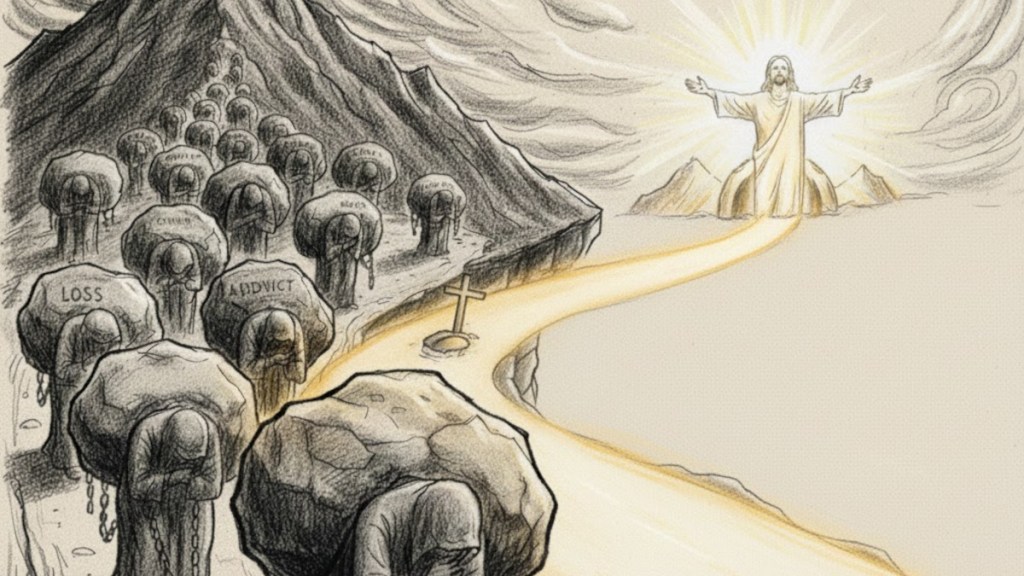
Life rarely comes with guarantees, and yet many people find themselves waiting for certainty before they take the next step. The ancient wisdom found in Ecclesiastes 11 speaks directly to this tendency. Just as a merchant sends cargo ships out to sea not knowing if a storm will destroy them, or a farmer plants seeds not knowing if the harvest will come, ordinary people are called to act wisely and boldly even when the outcome is unclear. Spreading your risks, working hard, and refusing to be paralyzed by the fear of what might go wrong are not signs of recklessness. They are signs of a faith that trusts God enough to move forward anyway.
The second half of Ecclesiastes 11 turns from courage to joy, and it is just as practical. Joy is not something you manufacture on your own. It is a gift that you choose to unwrap by paying attention to the good things already in your life. The writer encourages people of every age, young and old, to genuinely enjoy their years while they have them. This is not an invitation to chase sin or live carelessly. In fact, the text is clear that joy must stay within the boundaries of what is right, because choices made in younger years carry consequences that follow a person for a long time.
What holds these two ideas together, courage and joy, is the practice of remembering God. Not just thanking him in a general way, but actively paying attention to how he has been faithful in the past and choosing to trust him with what is ahead. Just as a bee takes even bitter things and turns them into honey, a person rooted in their relationship with God can take hard circumstances and find something good in them.
These things I have spoken to you so that in Me you may have peace. In the world you have tribulation, but take courage; I have overcome the world.”
John 16:33