

NELSON NOLAND
Life in community often reveals how easily people disagree, even about small matters. Many conflicts come from personal habits, background, or old convictions that feel important but are not matters of right and wrong. When people hold tightly to these non-essential issues, frustration and criticism grow. Yet unity depends on how we treat one another when we see things differently.
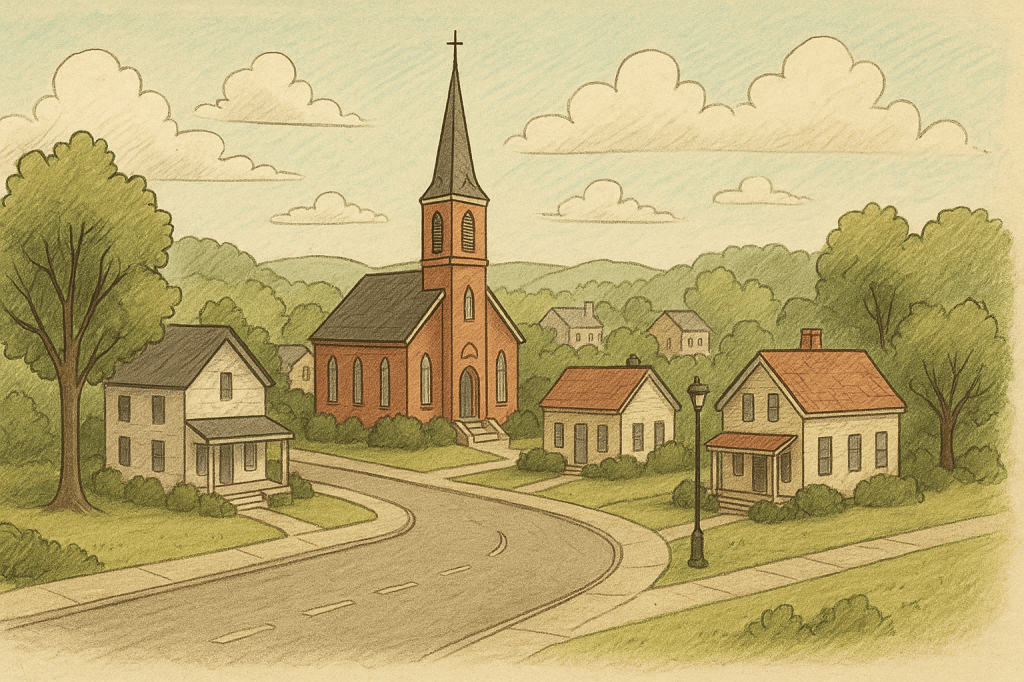
A person’s past shapes how they see certain choices. Some people feel strong freedom in areas that others find uncomfortable. One person may feel free to enjoy certain foods or activities, while another avoids them because of past experiences or a sensitive conscience. Neither person is better than the other. Both are learning and growing, and both belong to God.
Trouble comes when one side looks down on the other. The person who feels free may see the cautious person as overly strict. The cautious person may view the other as careless or worldly. When this happens, pride, fear, and criticism begin to replace love. But God does not build unity through rules or pressure. He builds unity through grace.
Grace reminds us that none of us came to God because we were good. We were welcomed through mercy. If God can accept imperfect people, then we can accept one another. No one matures overnight. Some struggles last years. God keeps working on each person, leading them at the right pace. Because of this, no believer has the right to treat another as inferior or to act as if they are the judge of someone else’s progress.
Have thine own way!
Thou art the potter,
I am the clay.
Mold me and make me
after thy will,
while I am waiting,
yielded and still.
We also remember that every believer answers to God, not to us. Each person lives before the Lord, and the Lord is the one who helps them stand firm. God is the master, not other people. He sees the whole story, the wounds, the habits, the fears, and the victories. When we try to control someone else’s growth, we forget that God is already doing the work.
Everything a believer does, whether eating certain foods, following certain traditions, or avoiding them, is acceptable when it is done with a clear conscience and a desire to honour Christ. What makes an action meaningful is not the thing itself, but whether it is offered to the Lord. This keeps us from policing each other. Instead of asking, “Are they doing it the way I prefer?” we ask, “Does this help them honour Christ in their own walk?”
We belong to God because Christ died and rose again. He is Lord over every believer, whether young in faith or mature. He leads both the strong and the weak. Remembering this changes how we see disagreements. When Christ’s glory is our focus, small arguments fade. His cross and resurrection make our personal preferences seem small and temporary.
Sometimes loving others means limiting our own freedoms. A mature believer may choose not to do something harmless to them personally if it would discourage someone who is still healing or learning. That kind of love sends a powerful message. It shows that people matter more than preferences.
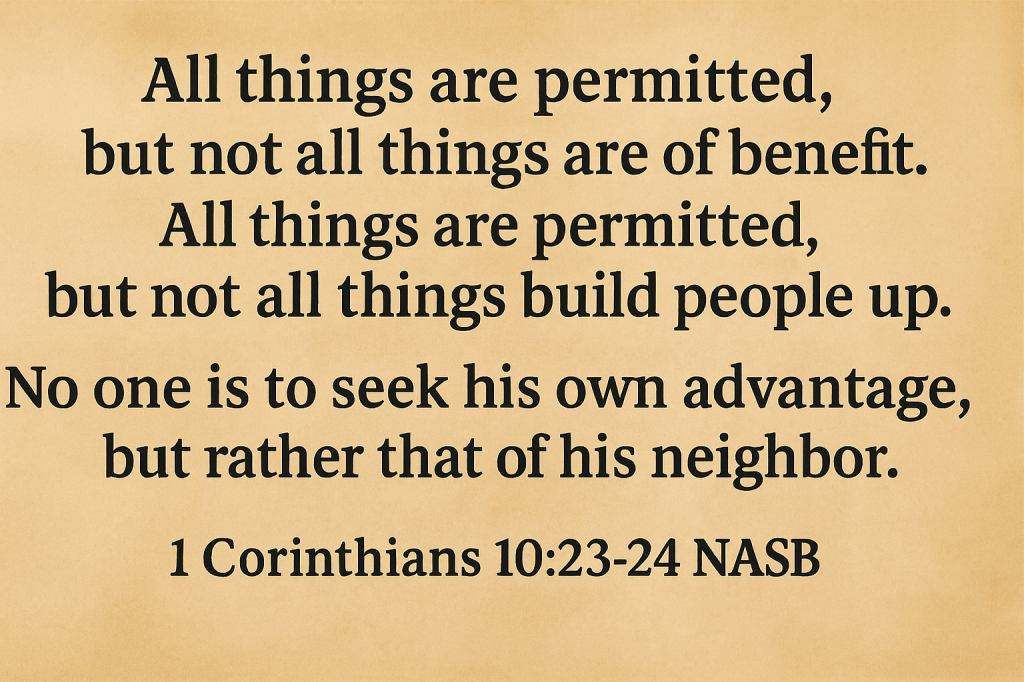
Families, churches, and communities all include people who need extra patience. God often surrounds us with those who stretch us, not by accident, but for our growth. Unity is not built through winning arguments. It is built through humility, patience, and a willingness to care more about people than about being right in non-essential matters.
When we focus on what is central, Christ’s grace, his death, his resurrection, and his work in people’s lives, then we stop majoring in the minors. We choose peace over pride. We choose to let others grow at God’s pace. And we choose to treat each other the way God has treated us: with kindness, patience, and room to grow.
Therefore, accept one another, just as Christ also accepted us, for the glory of God.
Romans 15:7
 Texas Gospel Canada Southern Gospel Radio