Every Christian understands that salvation is a gift from God. It is not gained by effort, good deeds, or personal merit. We are saved by grace. Yet in Philippians 2:12, Paul writes, “Work out your salvation with fear and trembling.” At first glance, these words may seem to suggest that salvation depends on human effort. They may even sound as if fear plays a part in earning eternal life. But that is not what Paul means.
The key is to read the verse carefully. Paul does not say to work for salvation. He says to work it out. In other words, believers are to express outwardly what God has already done within them. Salvation is already theirs. It has been received. Now it must be shown in daily life.
This command is a call to live in a way that matches the change God has made in the heart. It is about obedience, worship, and honour toward God. A Christian should take sin seriously and should respect the Lord with a humble spirit.
The words “fear and trembling” speak of deep reverence. They describe a heart that understands who God is and responds with respect. In Book of Isaiah, the Lord says He looks to the one who is humble, who has a broken spirit, and who trembles at His word. This kind of attitude shows true faith.
The next verse in Philippians explains that God is already at work within the believer. He is the One who gives both the desire and the strength to do what pleases Him. Because God has acted within, the Christian now responds in faithful obedience.
Salvation is not earned through effort. It is revealed through a life that reflects the grace already given. As James writes, “Faith by itself, if it does not have works, is dead.” James 2:17
Many believers today feel worn down by steady criticism. It is not always loud or violent, but it can still sting. Small jokes, unfair claims, etc., these things take a toll. When Christians sense rising hostility, it can shake their sense of peace.
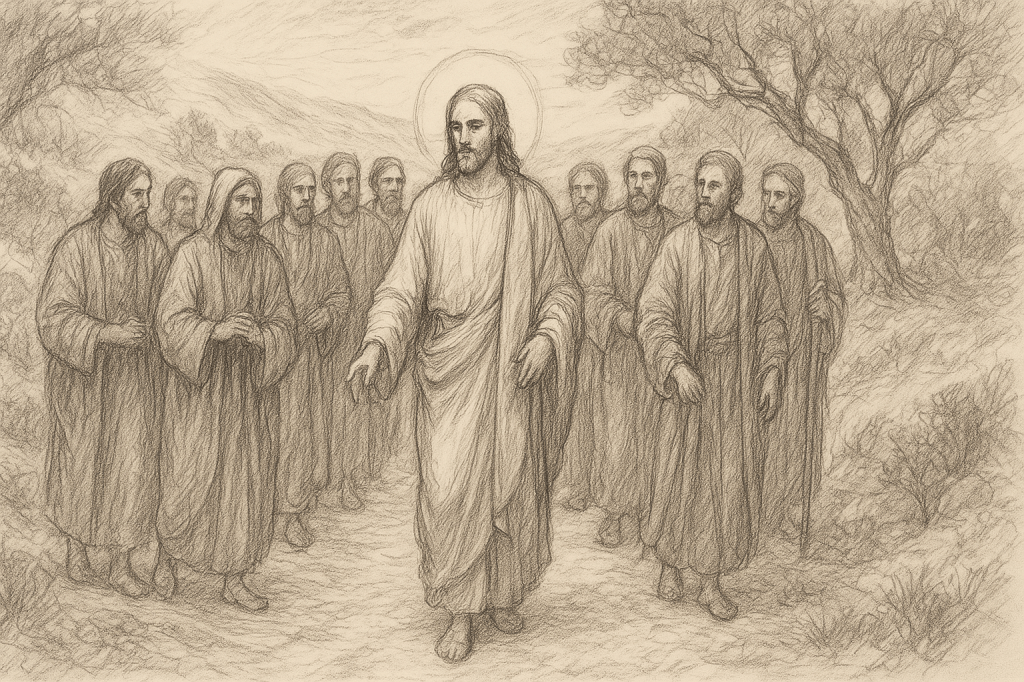
Jesus walking with his disciples. IRS Images, 2025
The teachings of Jesus in John 15 speak directly to this struggle. In the final hours before His arrest, when He gathered with His disciples at the Last Supper and then walked with them toward Gethsemane, He prepared them for life without His physical presence. He also spoke honestly about the hatred they would face.
Jesus explained that believers are often disliked because they belong to Him. The “world,” meaning the moral order that resists God, treats Christians as outsiders. Jesus described this rejection plainly: if the world hated Him first, His followers should expect similar treatment. This knowledge does not remove the pain, but it helps prevent surprise. He wanted His disciples to count the cost of following Him and to recognize that rejection does not mean abandonment. He walked this path before they ever did.
Some today claim to like Jesus but not Christians. But Jesus pointed out that many people actually reject the real Jesus while accepting softened versions that fit their own views. When His followers live by His teachings and speak truth about Him, they may stir the same reactions He did.
Take the world, but give me Jesus All its joys are but a name For His love abideth ever Through eternal years the same
Jesus told His disciples that they once belonged to the world but were now chosen out of it. This shift can make Christians seem like traitors to those still resisting God. People may not realize their conflict with Him, but Scripture teaches that this conflict is real. Believers are not trying to attack others; they have simply joined themselves to the One who offers life. Still, their new loyalty can be misunderstood.
Children and adults alike may fear being disliked for their faith, but Jesus reminded His followers that belonging to Him is greater than any rejection. He also said a servant should not expect to be treated better than the master. If He was mistreated, His people may be as well. Yet He added that some would listen and believe, just as some believed Him.
This raises an important question: is what believers in Canada face truly persecution? While many do not face violence, Scripture identifies insults, ridicule, lies, and public shame as real forms of suffering for Christ. These experiences should not be dismissed. Words can wound deeply. Some believers lose friendships, face hostility in academic settings, or feel pressure in workplaces. Many read hateful comments online and feel shaken. These pressures are not imaginary, and Jesus encouraged His followers to continue standing firm.
Still, not every Christian will face open hostility. Believers should not seek conflict or provoke anger. Jesus explained that hatred toward believers ultimately comes from not knowing God. This should shift believers from anger toward compassion. If people truly knew God’s goodness, they would not reject Him so easily. Their hostility does not make them innocent, but it does reveal their deep need for God.
Jesus also taught that the world’s hatred is without excuse. The people of His time witnessed His words and His miracles firsthand. They rejected God’s clearest revelation. Their reasons were real, but not justified. Jesus was hated without cause, and His followers may experience similar treatment.
The core question remains: who do believers belong to, the world or the One who saves? If they belong to Christ, their lives should show it. And they should be ready, with God’s help, to endure hardship with patience and faith.
“If the world hates you, you know that it has hated Me before it hated you.
Choosing to follow God’s direction helps remove fear from our lives. While we may feel a bit uneasy at first, especially when facing something unfamiliar, that nervousness isn’t true fear. It’s often just emotion. Deep down, we trust that God will come through, even if we’ve never faced a situation like it before.
When we take the first steps in line with God’s will, it may seem hard. There might be hesitation. But if we continue forward, that fear begins to shrink. Each step brings more confidence, and eventually, the fear fades completely. As we walk in the direction God has set for us, we begin to recognise His plan and peace.
For God has not given us a spirit of timidity, but of power and love and discipline.
Revelation 21:8 lists several traits of those who do not belong to Christ, including unbelief, immorality, idolatry, lying, and fear. In this context, fear does not simply mean having doubts about one’s salvation. It can also mean cowardice. It can mean shrinking back from standing firm in faith.
Jesus illustrated this in the parable of the soils in Matthew 13. Some people gladly receive the word, but because their faith has no deep root, trouble or persecution causes them to turn away. Others hear the word, yet the worries of life and the pull of wealth choke their spiritual growth, leaving them fruitless.
This kind of fear shows itself in those who avoid hardship for the sake of the gospel. They may appear to believe for a time, but their response to trials reveals otherwise. Such people eventually depart because they were never truly part of the family of faith.
They went out from us, but they were not really of us; for if they had been of us, they would have remained with us; but they went out, so that it would be evident that they all are not of us.
In Luke 8:37, we read about a moment when the people of the Gerasenes asked Jesus to leave their area because they were filled with fear. Jesus had just freed a man possessed by many demons. These evil spirits entered a herd of pigs, which then ran off a cliff and drowned. Word of this spread quickly, and people came from nearby towns to see for themselves.
When they arrived, they saw the man — once wild and dangerous — now calm and in his right mind. You might expect them to celebrate this miracle, but instead, fear gripped them. They couldn’t deny what had happened, yet the power that made it possible unsettled them.
Some people are frightened by what they cannot control, even when it brings good. The idea of a God who holds such power can feel threatening because it means lives might change in unexpected ways. Not everyone welcomes goodness when it challenges the world they know.
Taste and see that the Lord is good; How blessed is the man who takes refuge in Him!