CHERYL QUIGG
Life can feel uncertain. We move forward with plans and hopes, yet much lies outside our control. Circumstances shift, fears rise, and the actions of others affect our days in ways we never expected. In the middle of this, faith points to a steady guide who knows every need long before we recognize it ourselves.
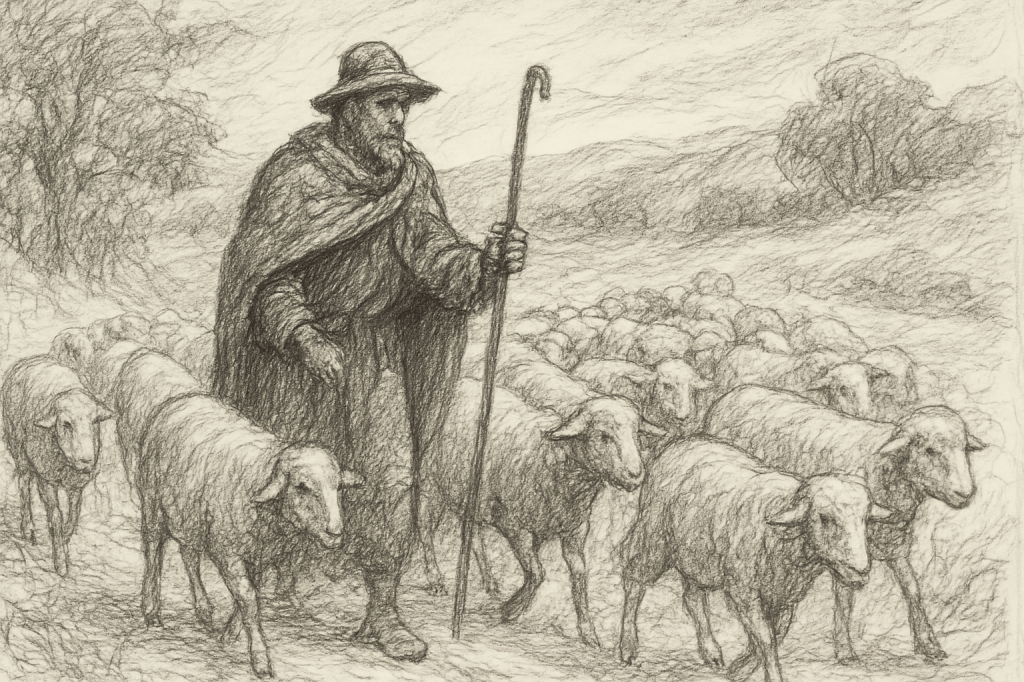
Scripture describes this guide as a shepherd who is both personal and powerful. He is not distant or detached. He understands human weakness because He has walked among us. He knows our doubts, our temptations, and the difference between what we want and what we need. His care is intentional. He leads toward hope, toward rest, and toward life that does not end.
Psalm 23 paints a picture of this care. It shows people as sheep because we are dependent, vulnerable, and unable to find safe ground without help. The words remind us that the comfort described in the psalm is not automatic. It comes only when we allow ourselves to be led. The promise of green pastures, quiet waters, protection in dark valleys, and a home with God is for those who choose to follow.
Much we need Thy tender care;
In Thy pleasant pastures feed us,
For our use Thy folds prepare:
Blessèd Jesus, blessèd Jesus,
Thou hast bought us, Thine we are;
Blessèd Jesus, blessèd Jesus,
Thou hast bought us, Thine we are.
Trust is at the heart of this picture. The shepherd goes ahead to prepare what is needed. Places of rest do not appear by chance. Peace is not earned through effort. These gifts come from the shepherd who provides freely and fully. When the psalm says, “I shall not want,” it is not boasting. It is confidence that the shepherd’s care is enough.
This care continues even when we wander. Like sheep that settle into unsafe places, people often rest in things that do not help. We chase comfort that leaves us stuck or exhausted. The shepherd restores, not by improving what is broken, but by giving new life. He lifts those who have fallen, steadies those who panic, and brings back those who drift.
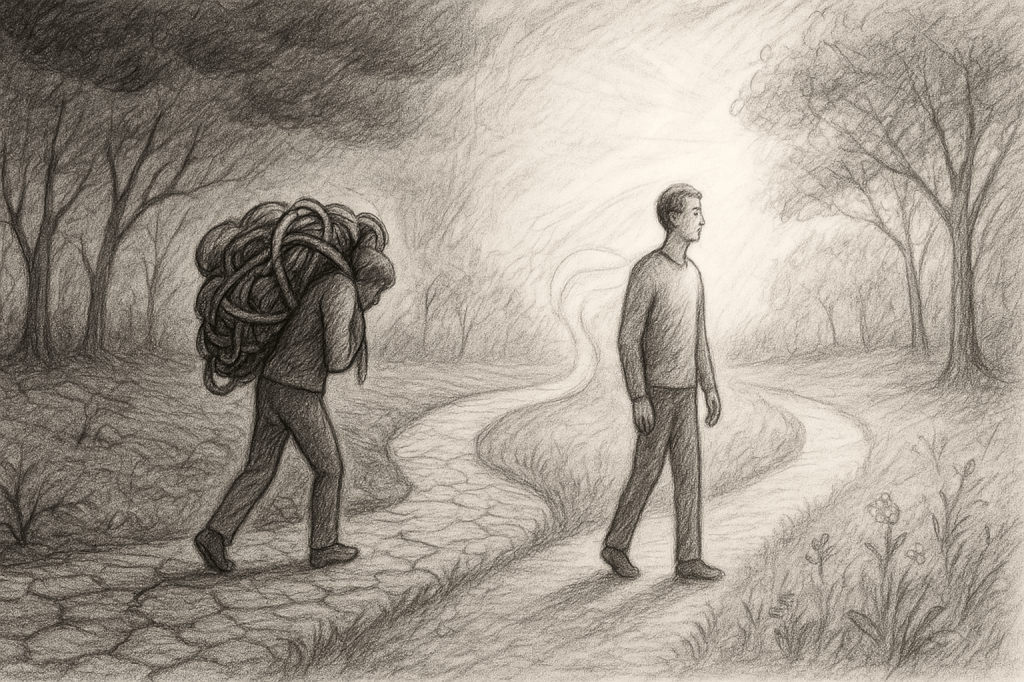
Guidance is another part of His work. Sheep cannot find safe paths on their own. They need direction to avoid empty ground and to reach places where they can grow. In the same way, people need help to walk in what is right. Sometimes the path is straight; other times it curves in ways we do not expect. Yet the shepherd leads with purpose, shaping character through both the easy moments and the difficult ones.
Safety is also promised. The psalm speaks of the valley of the shadow of death—a place where danger is real. Still, the shepherd is present. His rod protects from harm, and His staff guides with steady care. These tools show both His authority and His closeness. Even in fear, the follower is not abandoned.
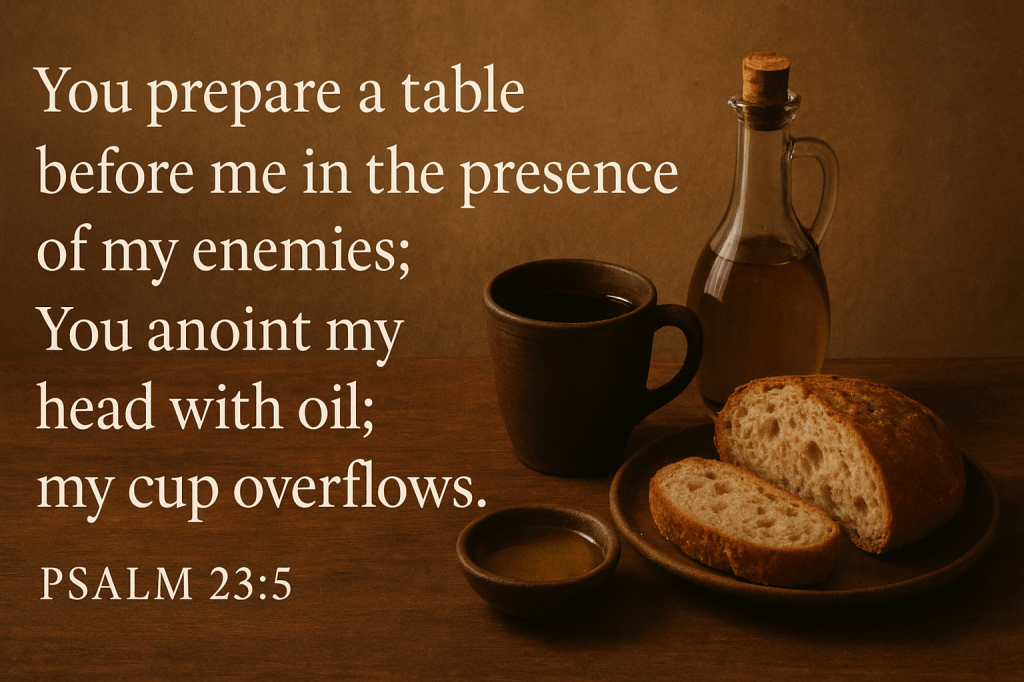
The psalm then shifts from the journey to the destination. The shepherd prepares a place of honour and healing. Every need is met. Oil soothes what is wounded. A full cup answers every thirst. Goodness and mercy do not fade but stay close through every season. The path does not lead into emptiness; it leads home. The promise is not just help for this life but a place with God forever.
The question remains: are we willing to be led? To trust the one who knows the way? To rest in His care, accept His correction, and walk where He directs? The psalm invites us to answer with openness and to follow with confidence that we will be carried, restored, guided, protected, and welcomed home.
My sheep listen to My voice, and I know them, and they follow Me;
John 10:27