In John 3, Jesus tells Nicodemus that a person must be born of water and the Spirit to enter God’s kingdom. Some have thought “water” means physical birth, like when a mother’s water breaks, but that idea doesn’t seem to fit the context. Others believe it means baptism alongside spiritual birth, but I believe this also misses the meaning.
I believe the right understanding comes from the Old Testament, specifically Ezekiel 36. In that prophecy, God promises to cleanse His people, give them a new heart, and put His Spirit within them. The “water” speaks of being made clean from sin, and the “Spirit” refers to God’s Spirit giving new life.
Jesus was pointing Nicodemus to this promise, showing that entering God’s kingdom requires both cleansing and renewal from God.
He saved us, not on the basis of deeds which we did in righteousness, but in accordance with His mercy, by the washing of regeneration and renewing by the Holy Spirit,
The church today faces a crisis deeper than most people realize. Society constantly tells believers what is now acceptable, blurring the lines between right and wrong until basic truths are disputed. Those who hold to biblical standards are often labelled hateful. This presents a real problem for Christians who are called to love everyone genuinely while standing firm on God’s word.
God’s Word never changes. It remains the same as time passes.
The church will rally around someone struggling with alcohol or drugs, but when it comes to sexual sin, many act as if this area is off limits. The idea that personal choice automatically makes something right has taken hold. This is not biblical Christianity. God’s word remains clear and unchanging. One major reason revival has not come is that believers have adopted the notion that certain choices are beyond judgment. The issue is not about condemning people but about seeing Jesus clearly. When believers truly see the holy God of scripture, everything else becomes clear.
Revival begins with a desperate cry for God to tear open the heavens and come down. God is near, right beside his people, but they often fail to recognize his presence. A spiritual battle rages constantly, and believers should cry out for God to help them believe what they cannot see. Revival cannot be manufactured. It is the presence of God himself. Nothing is too powerful for God to overcome. Even someone who has lived in terrible sin for years can experience revival. God seeks broken people so he can heal them. Where there is honest dissatisfaction with one’s spiritual state, seeds of revival are being planted.
We praise Thee O God For the Son of Thy love For Jesus who have died And now is gone above Halleluiah, Thine the Glory Halleluiah, Amen Halleluiah, Thine the Glory Revive us again
Revival requires a return to godly fear. This means more than caring about what God thinks. If God fully revealed himself, mountains would bow down before him. People today are too casual about God’s holiness and his awe-inspiring power. When a church loses its respect of God, it loses its power, because its power is God himself. True revival restores the understanding that God is holy, powerful and near.
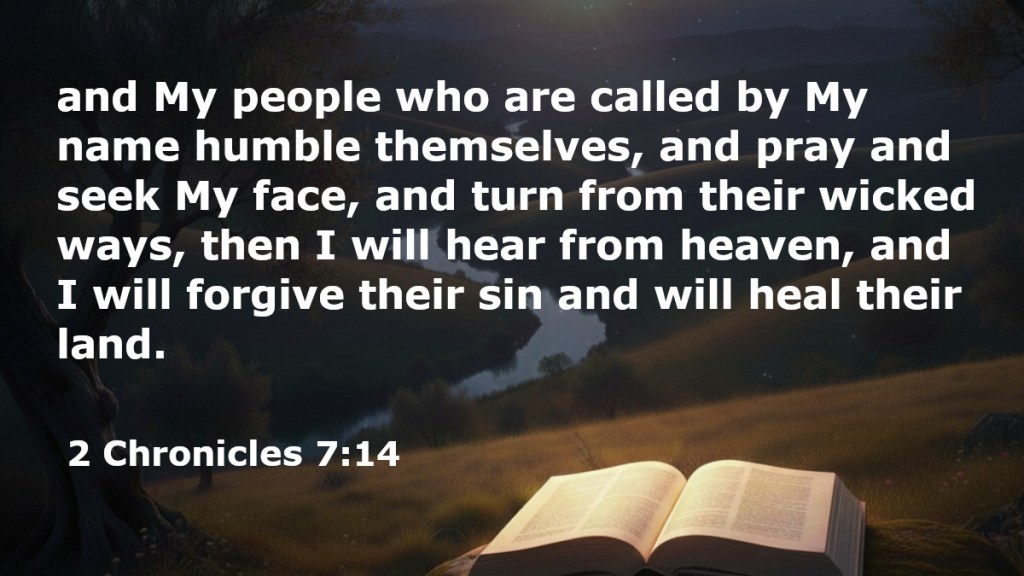
Revival does not start with the world or with politics. It depends entirely on God’s people. If they humble themselves, pray, seek his face and turn from their wicked ways, then God will hear from heaven, forgive their sin and heal their land. The problem is not what others are doing but what believers themselves have done.
Revival is the reshaping of God’s people, remaking them into vessels fit for the treasure they carry, which is God himself. Revival starts with a kneeling saint. The time to respond is now.
The Singing News Fan Awards, established in 1970, allows Gospel music fans the opportunity to vote for their favorite Southern Gospel artists, musicians, songwriters, songs, albums, radio DJs, and more. Here are the three phases of voting:
March issue – (Nominating ballot)
May issue – (Top 10 ballot)
July issue – (Top 5 ballot)
To be able to vote, you must be a subscriber to either Singing News magazine or SingingNewsTV. If you are not yet a subscriber, you still have time to vote in the next two phases of voting. Just go to www.singingnews.com/subscribe.
The winners in 21 categories will be announced at the Singing News Fan Awards presentation, held on Wednesday, September 30, 2026, on the Main Stage of the National Quartet Convention in Pigeon Forge, Tennessee.
Here are the Top 10 Nominees for 2026:
Favorite Quartet
Anthem Edition
Down East Boys
Ernie Haase & Signature Sound
Gold City
Guardians
Inspirations
LeFevre Qt
Mark Trammell Qt
Tribute Qt
Triumphant Qt
Favorite Duet
Austin and Ethan Whisnant
Blake & Jenna Bolerjack
Bryan & Yvonne Hutson
Chronicle
Duncans
Jeff & Sheri Easter
Jim & Melissa Brady
Josh & Ashley Franks
Reggie & Ladye Love Smith
Zane & Donna King
Favorite Mixed Group
Chuck Wagon Gang
Collingsworth Family
Craguns
Endless Highway
Erwins
Isaacs
Karen Peck & New River
Mylon Hayes Family
Perrys
Whisnants
Favorite Soloist
Adam Crabb
Billy Walker
Ivan Parker
Jonathan Wilburn
Joseph Habedank
Lauren Talley
Lynda Randle
Michael Booth
Scotty Inman
Steve Ladd
Favorite Trio
11th Hour
Booth Brothers
Brian Free & Assurance
Greater Vision
Hoppers
Hyssongs
Peach Goldman
Sound Street
Southbound
The Sound
Favorite Young Artist
Brady Jones (Kingsmen)
Cayden Howell (Down East Boys)
Christopher Taylor (Ernie Haase & Signature Sound)
Elena Dubbeld (Mark Dubbeld Family)
Elisha Moore (Jeff Tolbert & Primitive Road)
Isaac Moore (Inspirations)
Jaylie Vanderslice (Sound Street)
Kennedy Hayes (Mylon Hayes Family)
Makayla Hyssong (Hyssongs)
Priscilla Franks (Josh & Ashley Franks)
Tate Emmons
(Due to a tie in votes, there are 11 in this category.)
Favorite Soprano
Amber Eppinette Saunders (11th Hour)
Brooklyn Blair (Collingsworth Family)
Karen Peck Gooch (Karen Peck & New River)
Kennedy Hayes (Mylon Hayes Family)
Kim Hopper (Hoppers)
Melissa Brady (Jim & Melissa Brady)
Melissa Kemper (Chuck Wagon Gang)
Rachel Kramer (Kramers)
Rebekah Shields (Rogers Family)
Sonya Isaacs Yeary (Isaacs)
Favorite Tenor
Brian Free (Brian Free & Assurance)
Cameron Edens (Anthem Edition)
Chris Allman (Greater Vision)
Chris Jenkins (Gold City)
David Sutton (Triumphant Qt)
Doug Pittman (Down East Boys)
Ernie Haase (Ernie Haase & Signature Sound)
Gus Gaches (Tribute Qt)
Isaac Moore (Inspirations)
Paul Lancaster (Guardians)
Favorite Lead
Aaron Hise (Whisnants)
Bill Shivers (Brian Free & Assurance)
Chris Bryant (Kingdom Heirs)
Gary Casto (Tribute Qt)
Josh Feemster (Gold City)
Nick Trammell (Mark Trammell Qt)
Ricky Carden (Down East Boys)
Rodney Griffin (Greater Vision)
Roland Kesterson (Inspirations)
Sean Barber (Triumphant Qt)
Tim Rackley (Anthem Edition)
(Due to a tie in votes, there are 11 in this category.)
Favorite Band
Carolina The Band
Chosen Road
Chuck Wagon Gang
Endless Highway
Gaither Vocal Band
High Road
Isaacs
Jeff & Sheri Easter
Jeff Tolbert & Primitive Road
Joseph Habedank’s band
Kingdom Heirs
(Due to a tie in votes, there are 11 in this category.)
Favorite Baritone
Alan Kendall (Kingsmen)
Cayden Howell (Down East Boys)
Clayton Inman (Triumphant Qt)
Daniel Riley (Gold City)
Doug Roark (Anthem Edition)
Josh Singletary (Tribute Qt)
Luke Vaught (Inspirations)
Mark Trammell (Mark Trammell Qt)
Mike LeFevre (LeFevre Qt)
Scott Mullins (Greater Vision)
Favorite Songwriter
Dennis Murphy
Jim Brady
John Darin Rowsey
Joseph Habedank
Karen Peck Gooch
Kenna Turner West
Lee Black
Rodney Griffin
Ronny Hinson
Scotty Inman
Favorite Bass
Andrew Utech (Anthem Edition)
Brad Smith (Kingdom Heirs)
Brandon Barry (Down East Boys)
Daniel Ashmore (LeFevre Qt)
Eric Bennett (Triumphant Qt)
Ian Owens (Tribute Qt)
Jeff Chapman (Gold City)
Pat Barker (Guardians)
Will Lane (Mark Trammell Qt)
Wyatt Austin (Inspirations)
Favorite Album
40th Anniversary (Kingdom Heirs)
An Irish Christmas (Down East Boys)
Forever (Tribute Qt)
Go Out To The Program (Greater Vision)
Good Answers (Karen Peck & New River)
Here To Stay (LeFevre Qt)
Jesus Can (Jonathan Wilburn)
Made To Live Forever (Chuck Wagon Gang)
Up Above The World So High (Inspirations)
Where Healing Happens (Guardians)
Favorite Alto
Courtney Metz (Collingsworth Family)
Hannah Shields (Rogers Family)
Kari Gooch Baucom (Karen Peck & New River)
Karlye Hopper (Hoppers)
Libbi Perry Stuffle (Perrys)
Shaye Smith (Chuck Wagon Gang)
Sheri Easter (Jeff & Sheri Easter)
Susan Peck Jackson (Karen Peck & New River)
Susan Whisnant (Whisnants)
Wendy Hayes (Mylon Hayes Family)
Favorite Song
“Every Promise Made Is A Promise Kept” Anthem Edition
“I Just Stopped By On My Way Home” Kingsmen
“I Speak Jesus” Karen Peck & New River
“Mercy River” Down East Boys
“Motel Bible” Scotty Inman
“Pray” Mark Trammell Qt
“That Somebody Was Me” Guardians
“The Church” Joseph Habedank
“Up Above The World So High” Inspirations
“When My Feet Touch The Streets Of Gold” LeFevre Qt
Living as a Christian begins with trusting in Jesus Christ as Saviour. This means believing in His death on the cross, where He gave His life and shed His blood to make forgiveness possible. Through this sacrifice, sin is paid for, and those who believe are made right with God.
When someone accepts Christ through faith, the Holy Spirit comes to live within them. The Spirit’s role is to express the life and character of Jesus through that person. As long as there is unity between the believer and Christ, there is peace. But when someone disagrees with God’s truth or chooses their own way, that peace quickly fades.
If you are looking for lasting peace, it can only be found in Jesus. He is faithful and will not let you down. Peace is not just a feeling; it comes from staying close to the One who gives it.
And the peace of God, which surpasses all comprehension, will guard your hearts and minds in Christ Jesus.
Before I get into this, let me state very clearly: I am a Christian and I do not promote hatred of Muslims. I also do not promote the teachings of the Qur’an. I am presenting this as something important to know when you witness to your Muslim friends who have been taught things that prevent them from listening to the Gospel.
IRS Images, 2025
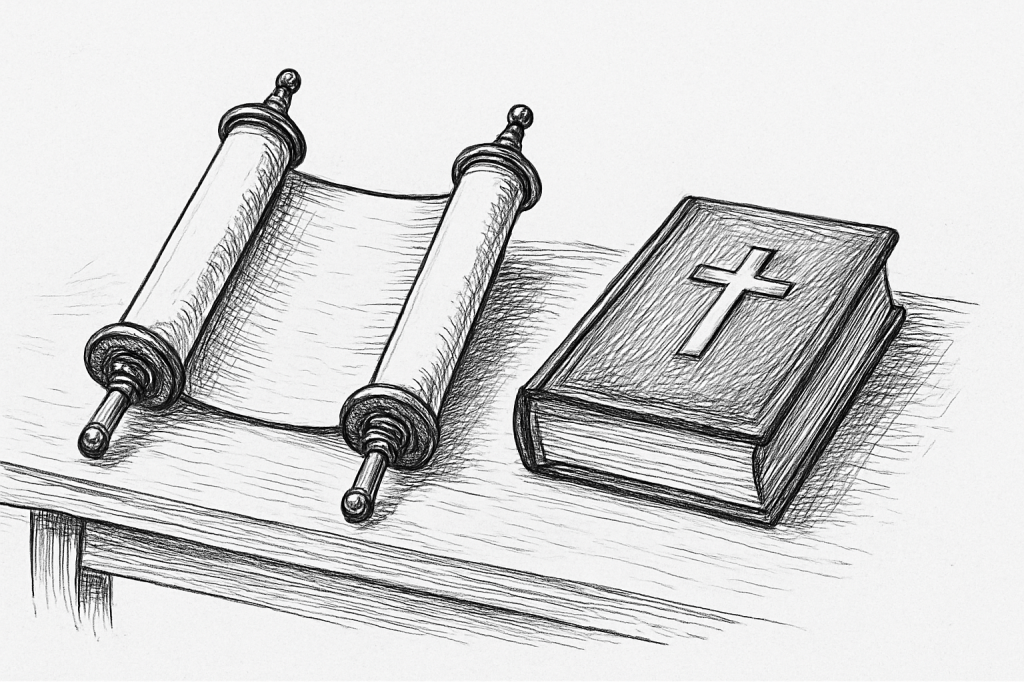
A recurring theme in discussions between Muslims and Christians concerns the Muslim accusation of revelations in the Torah (Tawrāt) and the Gospel (Injīl,) and Islamic claims about the integrity of those scriptures. The Qur’an repeatedly affirms the authority and reliability of the earlier books. Yet in later Islamic thought, it became increasingly common to claim that these scriptures had been textually corrupted.
1. The Qur’anic View of Previous Revelations: Every nation receives a revelation in its own language
The Qur’an teaches that God sent prophets to all peoples and that each group received its revelation in its own language. Arabs, according to this narrative, were simply the last to receive theirs.
Relevant passages include:
Qur’an 14:4 – “We did not send any messenger except in the language of his people, so that he might make things clear for them.”
Qur’an 16:36 – “We certainly sent a messenger to every nation…”
On this basis, Jews and Christians already possessed their divinely revealed scriptures, the Torah and the Gospel, while Arabs received the Qur’an as their own scripture.
The Qur’anic expectation that Jews and Christians should judge by their own books
Several passages instruct Jews and Christians to follow the revelation already in their hands:
Qur’an 5:43 – “Why do they come to you for judgment while they have the Torah, in which is God’s judgment?”
Qur’an 5:47 – “Let the People of the Gospel judge by what God has revealed in it.”
Qur’an 5:68 – “You have no ground to stand upon unless you uphold the Torah and the Gospel…”
These verses assume the authority and reliability of the Torah and Gospel available to these communities at the time.
Accusations of distortion refer to speech, not scripture
Christians had scriptures in Greek, Syriac, Latin, etc.
Most Arabs could not read these languages.
Thus, when disagreements arose, the charge was that Jews or Christians were misquoting or misinterpreting their scriptures, not altering the written text.
2. The Qur’an’s Argument to Jews and Christians
IRS Images, 2025
The Qur’an insists repeatedly that Jews and Christians must believe all of their scripture, not selectively, and that failure to do so leads to condemnation.
Examples include:
Qur’an 2:85 – “Do you believe in part of the Scripture and disbelieve in part? What then is the recompense for those among you who do so except disgrace in this life, and in the Hereafter…?”
Qur’an 2:89 – The Qur’an describes itself as confirming what the Jews already possessed.
Qur’an 2:91, 2:97, 2:101, 2:121 – These verses repeat the theme that the Qur’an confirms the earlier books and that the earlier books are to be believed in their entirety.
The Qur’anic reasoning is consistent:
Jews and Christians possess valid, divine scriptures.
The Qur’an agrees with these scriptures.
Therefore Jews and Christians should recognize the Qur’an’s prophet as legitimate because he affirms their books.
This argument depends on the assumption that the Torah and Gospel of the 7th century were intact, trustworthy revelations.
3. Why Later Muslim Thought Shifted: Expecting recognition that never came
The earliest Qur’anic passages present Jews and Christians as people who would recognize the prophet sent to the Arabs, since their books allegedly foretold him. According to this framework, they were expected to recognize him as the prophet mentioned in our scripture.
When Jewish and Christian communities in Medina did not recognize this prophetic claim, the Qur’an concludes that they were deliberately rejecting what they knew to be true, motivated by hostility rather than ignorance. This is important: The issue they claim was not presented as a problem with their scriptures, but with the people reading them.
Escalation of opposition
As Jewish and Christian groups increasingly rejected the new prophet, the Qur’anic perspective shifted:
In the Meccan period: Muslims, Jews, and Christians are grouped together as monotheists contrasted with pagans.
After encountering Jewish rejection in Medina: Qur’an 5:82 – Jews are described as the group most hostile to believers.
When Christians likewise mocked or rejected the new revelation: The Qur’an’s stance moves toward Muslims standing in opposition to all other groups unless they submit to Islamic governance (e.g., Qur’an 9:29).
The Later Doctrine of Textual Corruption
Because the Qur’an’s argument relies heavily on the authority of earlier scriptures, the persistent refusal of Jews and Christians to accept the “new prophet” became a theological problem. Over centuries, Islamic commentators increasingly adopted a different excuse: The Torah and Gospel must have been textually corrupted in the past. But surviving copies of both from Muhammad’s time do not support this.
to be clear, the Qur’an commands people to judge by the Torah and Gospel then present. There is no claim made during Muhammad’s time that the text had been corrupted. There are Qur’anic statements that earlier scriptures are “guidance and light” (e.g., Qur’an 5:44, 5:46). The Qur’an’s argument is that it “confirms what is with them (Qur’an 2:89, 3:3–4, 10:94).
The Qur’an never states that the Torah or Gospel have been corrupted as texts; it only accuses individuals of distorting with their tongues.
MY CONCLUSION
The Qur’an affirms the authority and integrity of the Jewish and Christian scriptures available in the 7th century.
Modern Islamic theology commonly claims that those scriptures had already been altered.
These two claims cannot both be true.
If the scriptures were intact in the 7th century, the Qur’anic affirmation poses a challenge to later Islamic claims of textual corruption. If the scriptures were corrupted before the 7th century, then the Qur’an’s commands to “judge by” them, and its argument that they support the new prophet lose their force.
I stress that I am not saying all this so people can “win” a debate. I’m saying this because God loves all people. This includes Christians, Muslims and Jews. His offer of redemption is made to all people and I hope my Muslim friends will one day accept redemption. Saving faith is a gift from God, not from anything I do or that you do. But hopefully, knowing this will help some remove the blocks they have to hearing His word.