
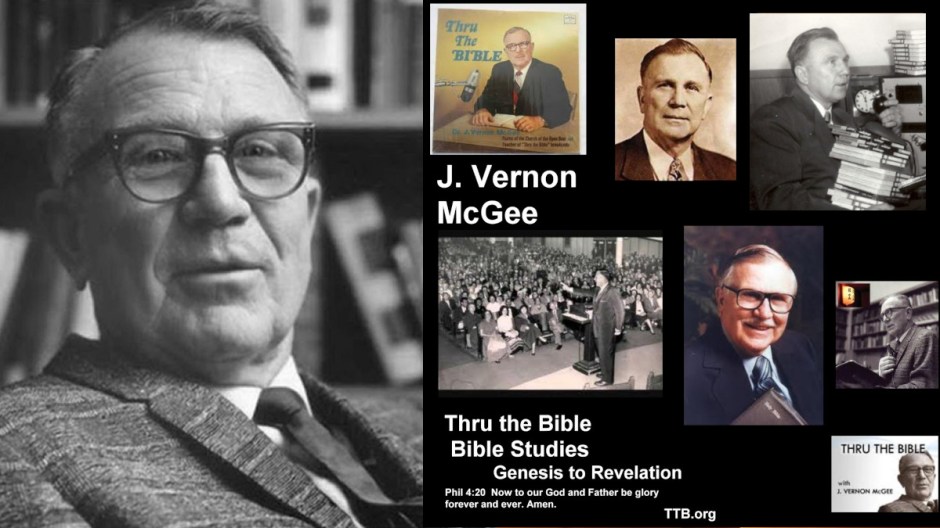
POSTED BY TEXAS GOSPEL VOLUNTEER
In Matthew chapter 8, following the high ethical standards presented in the Sermon on the Mount, Matthew introduces a series of miracles performed by Jesus. These miracles are not presented in chronological order but rather in a logical sequence to demonstrate that the King who gave the ethic also possesses the power to enable its accomplishment. Dr. McGee emphasizes that just as believers today can do nothing without Christ, these miracles reveal Jesus’ divine power. The chapter begins with Jesus descending from the mountain, followed by great multitudes, and proceeds to narrate six miracles showcasing his power over various realms.
The miracles in Matthew 8 illustrate Jesus’ comprehensive authority. He heals a leper through touch, signifying his power over human disease. He heals the Centurion’s servant from a distance, demonstrating his authority without physical contact and marveling at the Centurion’s faith. Jesus then heals Peter’s mother-in-law by touching her and casts out demons, moving into the supernatural realm. He further demonstrates his power over nature by stilling a storm. Finally, he casts out demons from two men, highlighting his authority over the spiritual realm and a particularly difficult case. These miracles are presented to show the multifaceted power of the King.
Moving into Matthew chapter 9, the theme of Jesus’ power continues with six more recorded miracles. Upon returning to Capernaum, Jesus heals a paralytic, notably connecting the healing with the forgiveness of his sins, a power exclusive to God. Matthew himself is called to be a disciple, and Jesus associates with publicans and sinners, emphasizing his mission to call the sick rather than the righteous. The chapter also includes the healing of a woman with a twelve-year issue of blood after she touched his garment, and the raising of a ruler’s daughter from the dead, marking the first instance of Jesus raising someone from death in the Gospels. Additionally, he heals two blind men and a dumb man possessed by a demon, further displaying his widespread healing power.
In Matthew chapter 10, having demonstrated his power through these twelve miracles, Jesus commissions his twelve disciples, now referred to as apostles, to go to the nation of Israel and preach the gospel of the Kingdom. He gives them authority over unclean spirits to cast them out and to heal all kinds of sickness and disease, providing them with the same credentials he possessed. Their specific mission is directed towards “the lost sheep of the house of Israel,” and they are instructed to heal the sick, cleanse the lepers, raise the dead, and cast out demons freely. Dr. McGee emphasizes that these instructions were specific to that time and mission to Israel, not necessarily a direct mandate for all Christians today.
While the specific instructions given to the apostles in Matthew 10 were for a particular context, Dr. McGee points out that the chapter also contains general principles applicable to all believers. Jesus warns them of coming persecution, instructing them to be wise as serpents and harmless as doves. He tells them not to fear those who can kill the body but rather fear God. He assures them of God’s care and the importance of confessing him before men. The chapter concludes with a call for total commitment and the promise of reward for those who receive his messengers. Dr. McGee encourages listeners to interpret these instructions within their historical context while still recognizing the enduring spiritual truths they contain.
 Texas Gospel Canada Southern Gospel Radio