Everyone loves receiving gifts. There’s something meaningful about knowing someone cared enough to think of us and offer a token of their affection. Yet the greatest gift ever offered remains unopened by many: the gift of salvation through Jesus Christ. This gift becomes real only when it is accepted, and eternal life works the same way. Some people never open this gift simply because they have never understood it. This is why followers of Christ continue to share God’s message, helping others see that Christ offers life that never ends.
Gifts on a table. IRS Images, 2025
Followers of Christ are called to invest in things that matter beyond this world. The work of faith is intentional. Strong families of faith and solid friendships do not appear by chance. They grow when people pray for each other, support one another, and live in obedience to God. Scripture tells believers to carry each other’s burdens and to encourage one another toward good works—not to earn salvation, but because salvation has already been given.
This same commitment shapes the whole faith community. When people give their time, their abilities, and their resources to honour Christ, they strengthen the body of believers and leave a legacy for those who follow. Reaching others is part of this work. Every neighbourhood holds people from many backgrounds, and all of them need to hear who Jesus is. God’s desire is for every person to be born again, and obedience to Him means welcoming others and inviting them to know His love.
Prayer and Scripture are vital in this investment. Time with God each day guides the heart and strengthens faith. Reading the Bible with prayer invites the Holy Spirit to reveal what God wants us to understand. Even a short passage can shape the day when it is read with attention and followed with prayer.
Jesus taught that earthly treasures fade, but treasures stored in heaven cannot be lost. When believers give and serve, they are not simply supporting tasks or buildings. They are investing in people, in families, and in eternity.
The question before each believer is simple: Where are you investing? The returns on earthly treasures are temporary, but the returns on kingdom investment last forever.
Set your minds on the things that are above, not on the things that are on earth.
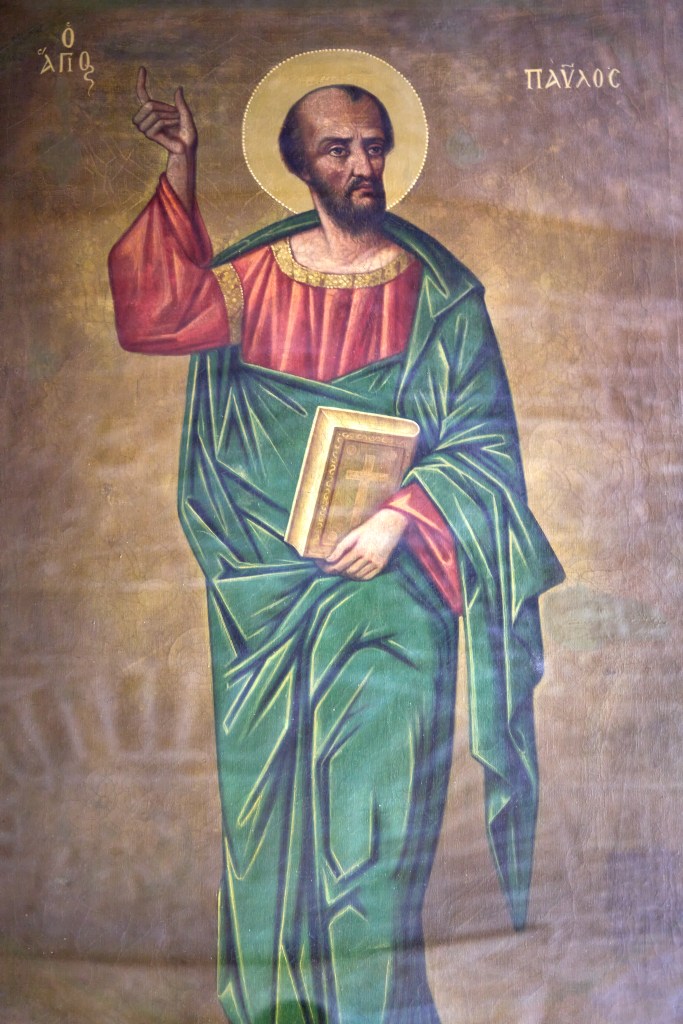
In his letter to the Galatians, the Apostle Paul reminds believers that faith in Jesus Christ alone brings true freedom. He warns against returning to the bondage of the law, explaining that anyone who tries to earn salvation through religious rules loses sight of the grace that Christ freely gives. The message of Galatians chapter five is a call to remain steadfast in faith and not to be misled by teachings that add human effort to God’s gift of salvation.
Paul had once established the churches in Galatia and taught them the gospel he received directly from Christ. Over time, however, false teachers known as Judaizers began spreading the idea that faith in Jesus was not enough. They claimed believers must also follow the laws of Moses, including circumcision, dietary restrictions, and Sabbath rules, to be fully accepted by God. Paul writes to correct this misunderstanding. The law, he explains, was never meant to save. It was given to show people their need for a Saviour because no one can keep it perfectly. The law points to Christ, the only one who fulfilled it completely.
Paul reminds the Galatians that salvation is a gift, not a reward for good behaviour. No matter how hard someone tries to follow God’s commands, even one failure shows that human effort cannot make anyone righteous. Christ’s death on the cross paid for humanity’s failure to keep the law. Through repentance and faith in Him, believers are forgiven and set free from sin’s power and the weight of trying to earn God’s approval.
The danger of mixing law with faith is that it shifts trust away from Christ and back to human performance. Paul tells the Galatians that if they rely on circumcision or any other law to be saved, then Christ’s sacrifice means nothing to them. Salvation through works is impossible because anyone who chooses to follow the law must obey all of it perfectly. The moment they fail in one command, they are guilty of breaking it all.
Paul teaches that life in the Spirit is very different from life under the law. The Holy Spirit gives believers freedom and leads them to live in love and obedience, not out of fear or duty, but out of gratitude. Where the Spirit of the Lord is, there is liberty. By contrast, living under strict rules only leads to frustration and disappointment because no one can live up to them.
The apostle urges the Galatians to stand firm in the freedom Christ has given them. Faith in Him alone is enough for salvation and for growth in holiness. To think of the law as a way to salvation would only lead to spiritual stagnation. Instead, believers should hold fast to what they have learned and live out their faith through love, prayer, worship, and fellowship.
Paul also warns of the danger of falling from grace. When people try to justify themselves through good works, they drift away from the truth that salvation is by grace through faith. Good works are evidence of genuine faith, but they cannot save. Even the best human actions are imperfect before a holy God. The prophet Isaiah said that all human righteousness is like unclean rags before Him. Humanity’s sinful heart, as described in Jeremiah, is deceitful and desperately wicked. For that reason, God sent His Son to do what no person could do. Jesus met the full demands of the law and bear the punishment for sin.
Paul’s deep concern for the Galatians comes from his love for the truth of the gospel. He is grieved that those who once received the message of salvation by faith are now turning to a distorted gospel that has no power to save. He reminds them that in Christ, outward rituals like circumcision have no value. What matters is faith that expresses itself through love.
For believers today, Paul’s message remains vital. Many still believe that good deeds or religious rituals can earn God’s favour. But salvation is not about doing; it is about trusting. The Christian life is not lived by rule-keeping but by walking in the Spirit, who gives strength, wisdom, and peace.
When challenges or confusion arise, Paul’s instruction is clear: stand firm in faith. Do not waver between trusting in Christ and depending on works. James reminds believers to ask God for wisdom and to believe without doubting. A double-minded person, unstable in faith, receives nothing from the Lord. Paul calls believers to be steadfast, grounded in truth, and unshaken by false teaching.
Faith in Christ gives freedom, peace, and hope. Through Him, believers wait eagerly for the full realization of righteousness that has already been given to them by grace. This hope is not built on law but on the finished work of Jesus, who said, “It is finished.”
For by grace you have been saved through faith; and this is not of yourselves, it is the gift of God; not a result of works, so that no one may boast.
Years ago, the evangelist D.L. Moody met a stranger on the streets of Chicago and asked him if he was a Christian. The man told Moody to mind his own business, to which Moody answered, “This is my business.” Though Moody sold shoes for a living, he knew that his true purpose was to share the message of Jesus Christ. The work of spreading the gospel is not only for pastors or missionaries. It is the calling of every believer.
When a person chooses to make God’s work their own, life gains direction and meaning. Sharing the gospel brings peace and strength, even against spiritual opposition. The Apostle Paul spoke of this in Ephesians 6, describing the “shoes of the gospel of peace” as a defense against evil. Living with this purpose helps people choose purity over temptation, generosity over greed, and discipline over aimlessness.
To live this way, a person must first be convinced that others need Christ. Sometimes people hesitate to speak about faith because they are not sure that salvation through Jesus is the only way to eternal life. These are folks who need to examine their own salvation. The Bible is clear when Jesus says in John 14:6 that no one comes to the Father except through Him. If that is true, then believers must understand that every person without Christ faces eternal separation from God. Only a deep conviction of this truth will lead someone to speak up about their faith.
Second, those who share the gospel must have confidence that God has the power to save. No person can bring someone to faith through persuasion alone. Salvation is not something that happens because of our effort. It comes from faith that is a Gift from God. Jesus said in John 6:44, no one can come to Him unless the Father calls them.
Third, sharing the gospel wisely means understanding a person’s level of openness. It’s not about giving a long, one-sided talk without listening. But real communication takes patience and respect. It allows space for honest questions and ongoing conversations. Still, relationships alone are not enough. The message must be spoken, because faith comes through hearing the Word of God.
Finally, to represent God’s message faithfully, one must understand it clearly. Believers are ambassadors for Christ, not creators of a new message. Their duty is to represent what God has already said. The gospel can be explained in four main truths:
First, everyone has sinned. Romans 3:23 says that all people have fallen short of God’s standard. Some may live better lives than others, but none are good enough to reach God on their own.
Second, sin deserves punishment. Romans 6:23 says that the wages of sin is death This is eternal separation from God.
Third, Jesus Christ died for our sins. Romans 5:8 teaches that God showed His love by sending Jesus to take the punishment we deserved. Through His death, justice was satisfied and mercy was offered.
Fourth, salvation is a gift that must be received. John 1:12 says that those who receive Christ and believe in His name become children of God. A gift is not truly ours until we accept it. In the same way, forgiveness and eternal life belong only to those who personally receive what Jesus has done for them.
There is no deeper satisfaction than seeing someone find life in Christ. That joy is not meant only for preachers but for every follower of Jesus.
Therefore, we are ambassadors for Christ, as though God were making an appeal through us; we beg you on behalf of Christ, be reconciled to God.
In his letter to the Galatians, the Apostle Paul warns believers not to be led away from the truth of the gospel. In Galatians 5:7–12, he expresses deep concern for Christians who had once walked faithfully but were being influenced by false teachers. These teachers, called Judaizers, were convincing the Galatians that faith in Christ was not enough for salvation. They taught that following the laws of Moses, including circumcision and certain rituals, was also necessary. Paul saw this as a serious threat to the purity of the gospel.
Paul reminds the believers that they began their spiritual journey well. They had accepted the message of salvation through faith in Christ alone. Yet someone had come among them and persuaded them to believe a different message. Paul makes it clear that this persuasion did not come from God. To add human works to the message of grace is to change the gospel completely. The message of salvation through Jesus Christ cannot be mixed with rules and rituals. Christ’s death and resurrection are sufficient for forgiveness and eternal life.
I think it’s important to mention here: I am speaking about salvation through works. There are Messianic Christians today who believe that to follow the law is to avoid sin, but not something that leads to salvation. To be clear, avoiding sin doesn’t save. Faith as a gift from God saves. But this doesn’t mean we should go ahead and sin. I don’t want to get off topic, but I want to be very clear what the Messianic Christians believe. Is this what Paul was talking about?
Paul’s concern is not only for the Galatians but for all believers. He knows that small errors can grow into serious problems. He warns that “a little leaven leavens the whole lump.” Just as a small amount of yeast spreads through dough, even a small distortion of the gospel can corrupt the entire message. History shows that this has often happened when people have questioned or altered the truth of God’s word. For that reason, Paul calls for faithfulness to Scripture and careful study so that believers will not be deceived.
Nothing But The Blood – HeartCry Worship
Even though Paul speaks firmly, he does not lose hope. He tells the Galatians that he trusts the Lord will help them return to the truth. His confidence is not based on their strength but on God’s ability to guide those who truly belong to Him. However, Paul also warns that the person leading them astray will face judgment. False teachers, motivated by pride or sin, will one day answer for their actions before God.
Paul also addresses accusations made against him. Some claimed that he preached one message to Jews and another to Gentiles. He denies this, explaining that he never taught that the law could save anyone. For Jewish believers, keeping certain customs was a matter of culture, not salvation. For Gentiles, such practices were never required. Paul’s message was the same for all: salvation comes by grace through faith in Christ alone. The cross is offensive because it tells people they cannot save themselves, but Paul refuses to soften that truth.
Finally, Paul expresses a strong wish against the false teachers who were disturbing the Galatian churches. His words are sharp, showing how seriously he viewed their actions. These men were spreading lies that could destroy the faith of many. Paul’s language may sound severe, but it reflects his passion for the gospel’s purity. He saw that false teaching was not just an error, it was an attack on the truth that saves.
Paul’s warning remains important today. Many still try to add human effort to God’s grace or twist the message of salvation to fit their own ideas. Believers are called to guard the truth carefully and to know Scripture well so they are not easily misled. The gospel of Christ does not need improvement or addition. It stands complete as the good news that brings freedom from sin and peace with God.
For by grace you have been saved through faith; and this is not of yourselves, it is the gift of God;
Ephesians 2:8 says, “For by grace you have been saved through faith, and this is not from yourselves, it is the gift of God.” Some wonder whether the “gift” in this verse refers only to faith, only to grace, or to both. The passage shows that the answer includes all of it. It includes grace, faith, and salvation. All are given by God. None of them come from human effort.
The chapter explains the need for this gift. Before receiving new life, people are spiritually dead because of sin, following the ways of the world and under God’s judgment. This is the natural state of humanity, separated from Him and unable to save itself.
The turning point is found in the words “But God.” Because of His mercy and great love, He gives spiritual life, provides His grace, grants saving faith, and brings complete salvation. All who are saved have received every part of it from Him alone.



 Texas Gospel Canada Southern Gospel Radio