

JOHN COPIC
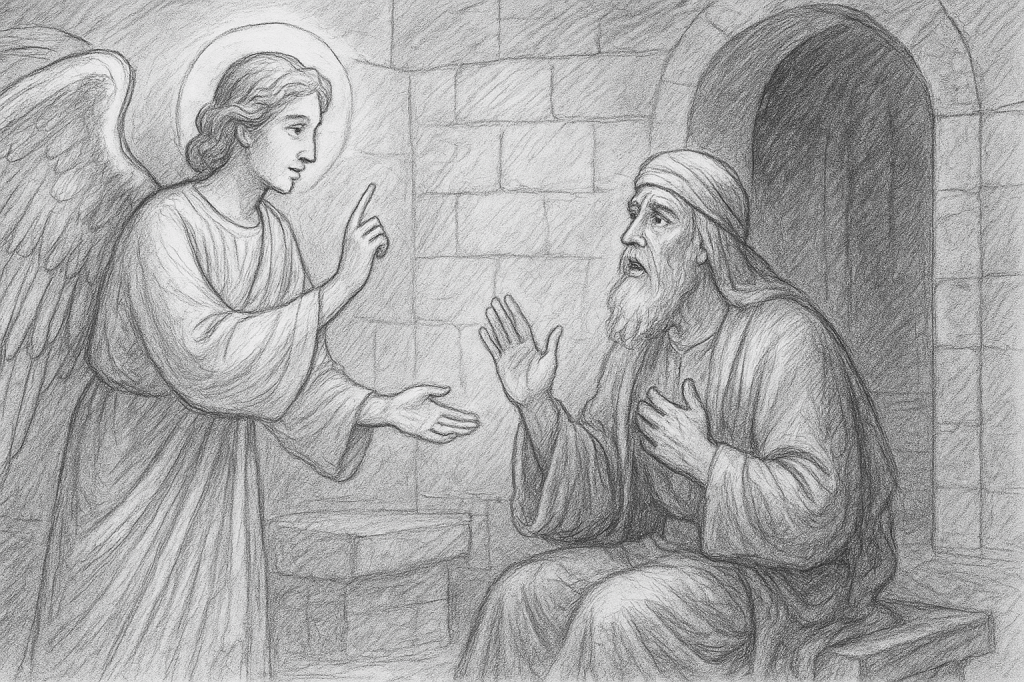
In the story of John the Baptist, we see how quiet faith and steady obedience can shape history in ways no one expects. His life begins with two older people, Zachariah and Elizabeth, who lived with devotion to God. They followed God’s ways with sincere hearts, yet they carried the pain of having no child. When an angel told Zachariah that Elizabeth would give birth, the message sounded impossible. Their age and long years of waiting made the promise hard to believe. Zachariah asked for a sign and received one, though not in the way he hoped. He lost his ability to speak until the child was born, a reminder that God’s word stands firm even when our faith feels weak.
Elizabeth’s pregnancy was a gift she had once given up hoping for. She kept herself out of public view for several months, likely waiting until her condition could not be questioned. When it became clear that she was expecting, the joy of the community would confirm the mercy she had received. Her quiet praise shows how God sometimes answers long–held desires in unexpected seasons.
John’s birth was more than a family blessing. His arrival fulfilled promises spoken generations earlier. Prophets had said that someone would prepare people to meet the Messiah. John was that person. He did not come as Elijah returned in the flesh, but he carried the same spirit and boldness. His purpose was simple and direct: to call people back to God and help them recognize the one who was coming after him.
Bear patiently the cross of grief or pain
Leave to thy God to order and provide
In every change He faithful will remain
Yet even a person with a strong calling can struggle. Later, when John was imprisoned for speaking truth, he began to question whether Jesus was truly the one Israel had waited for. His suffering did not match the future he expected. So he sent his followers to ask Jesus for clarity. Jesus did not rebuke him. Instead, he pointed to the work being done. He spoke of the blind receiving sight, the lame walking, lepers cleansed, the deaf hearing, the poor hearing good news. These signs had been written long before in the words of Isaiah. Jesus used those promises to steady John’s heart. Through this, we see that doubt does not cancel faith; it reveals our need for God’s reassurance.
Jesus affirmed John’s place as a prophet with a unique role. He also explained that the least person in God’s kingdom now stands in a better place, because the promised Saviour has already come. John lived as the final voice announcing the arrival of someone greater.
John’s message was sharp but honest: turn from sin because God’s kingdom is near. Many people came to be baptized, admitting their wrongs and seeking a new start. But some came with pride, trusting their heritage instead of their hearts. John warned them that real change shows itself in a changed life, not in family ties or status. He spoke of judgment in clear terms and pointed to the one who would bring a deeper work, a cleansing that only God’s Spirit can give.
The account of John’s life shows that God works through ordinary people, difficult moments, waiting, and even doubt. God brings good from situations that seem broken, and he does not ask us to figure out how he will do it. Faith means trusting that his purpose will stand, even when our plans fall apart.
Come close to God and He will come close to you. Cleanse your hands, you sinners; and purify your hearts, you double-minded.
James 4:8
 Texas Gospel Canada Southern Gospel Radio