A promise prepared in quiet ways

JOHN COPIC

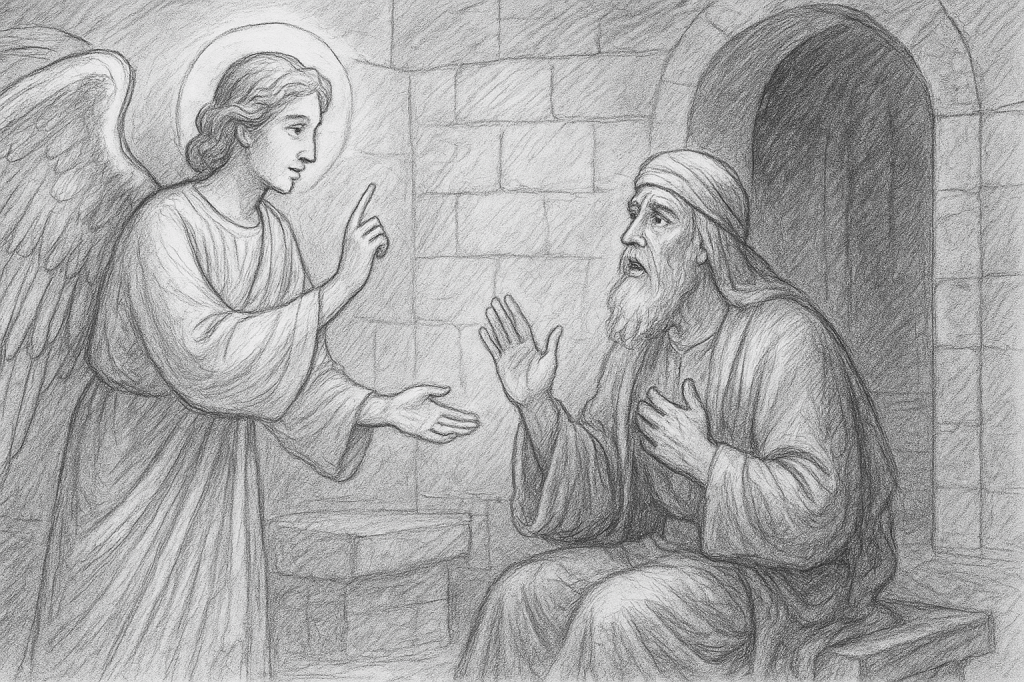
In the story of John the Baptist, we see how quiet faith and steady obedience can shape history in ways no one expects. His life begins with two older people, Zachariah and Elizabeth, who lived with devotion to God. They followed God’s ways with sincere hearts, yet they carried the pain of having no child. When an angel told Zachariah that Elizabeth would give birth, the message sounded impossible. Their age and long years of waiting made the promise hard to believe. Zachariah asked for a sign and received one, though not in the way he hoped. He lost his ability to speak until the child was born, a reminder that God’s word stands firm even when our faith feels weak.

Elizabeth’s pregnancy was a gift she had once given up hoping for. She kept herself out of public view for several months, likely waiting until her condition could not be questioned. When it became clear that she was expecting, the joy of the community would confirm the mercy she had received. Her quiet praise shows how God sometimes answers long–held desires in unexpected seasons.

John’s birth was more than a family blessing. His arrival fulfilled promises spoken generations earlier. Prophets had said that someone would prepare people to meet the Messiah. John was that person. He did not come as Elijah returned in the flesh, but he carried the same spirit and boldness. His purpose was simple and direct: to call people back to God and help them recognize the one who was coming after him.

Be still my soul the Lord is on thy side
Bear patiently the cross of grief or pain
Leave to thy God to order and provide
In every change He faithful will remain

Yet even a person with a strong calling can struggle. Later, when John was imprisoned for speaking truth, he began to question whether Jesus was truly the one Israel had waited for. His suffering did not match the future he expected. So he sent his followers to ask Jesus for clarity. Jesus did not rebuke him. Instead, he pointed to the work being done. He spoke of the blind receiving sight, the lame walking, lepers cleansed, the deaf hearing, the poor hearing good news. These signs had been written long before in the words of Isaiah. Jesus used those promises to steady John’s heart. Through this, we see that doubt does not cancel faith; it reveals our need for God’s reassurance.

Jesus affirmed John’s place as a prophet with a unique role. He also explained that the least person in God’s kingdom now stands in a better place, because the promised Saviour has already come. John lived as the final voice announcing the arrival of someone greater.
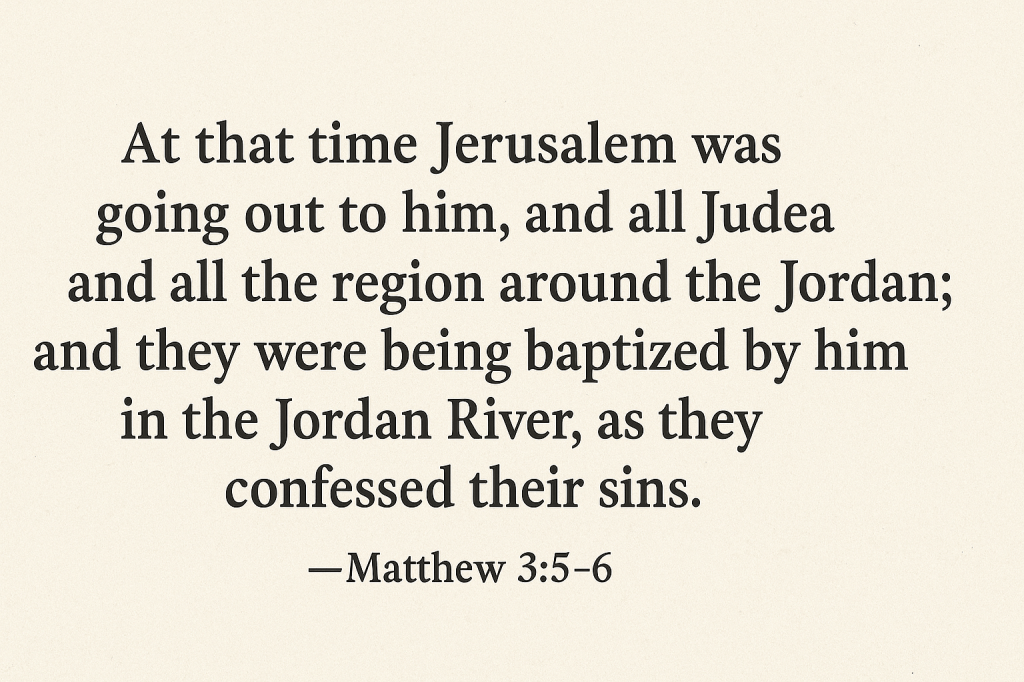
John’s message was sharp but honest: turn from sin because God’s kingdom is near. Many people came to be baptized, admitting their wrongs and seeking a new start. But some came with pride, trusting their heritage instead of their hearts. John warned them that real change shows itself in a changed life, not in family ties or status. He spoke of judgment in clear terms and pointed to the one who would bring a deeper work, a cleansing that only God’s Spirit can give.

The account of John’s life shows that God works through ordinary people, difficult moments, waiting, and even doubt. God brings good from situations that seem broken, and he does not ask us to figure out how he will do it. Faith means trusting that his purpose will stand, even when our plans fall apart.

Come close to God and He will come close to you. Cleanse your hands, you sinners; and purify your hearts, you double-minded.

James 4:8
A Promise That Holds the World Together

WILLIAM KILLIAN

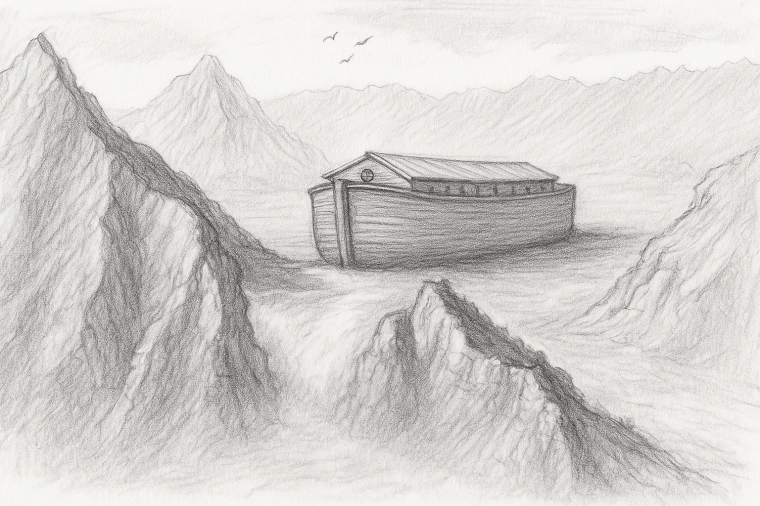
The Ark of Noah, IRS Images, 2025

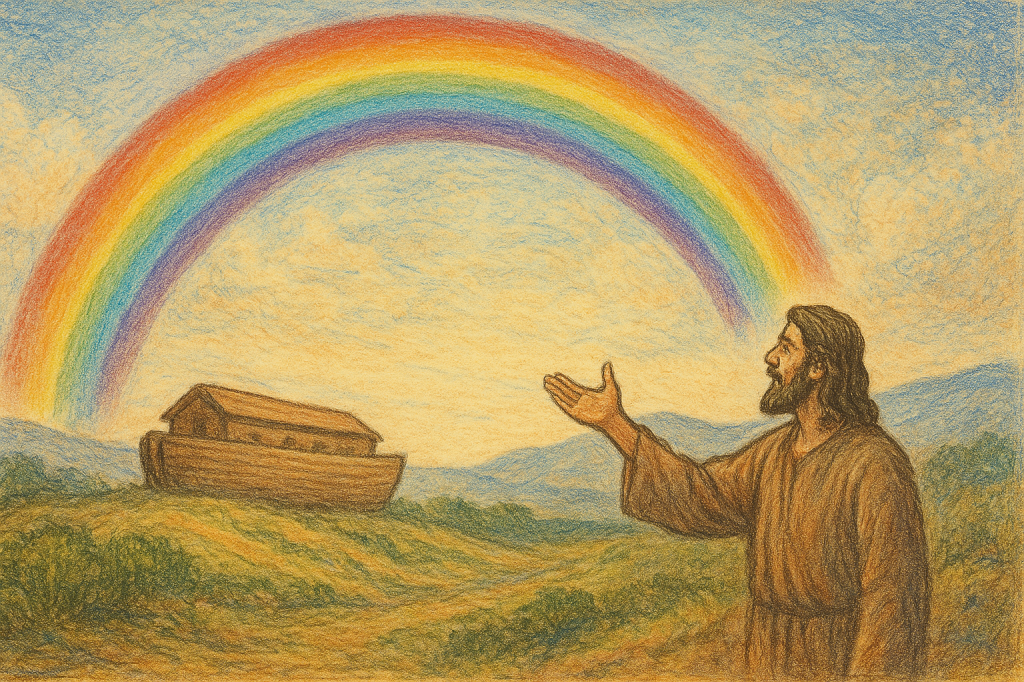
The account of the great flood describes a moment when human wrongdoing had grown so heavy that the world was washed clean. Only one family and a collection of animals survived by God’s care. When the waters finally lowered and dry land appeared again, the first act recorded after leaving the ark was an act of worship. God accepted this offering and chose, in mercy, to restrain judgment in a new way. What followed was a promise that still shapes life today.

God spoke of an agreement that would stand for all ages. It was not negotiated, nor was it uncertain. God simply declared it. This commitment covered every living thing: people, animals, and the earth itself. The message was repeated many times so there would be no confusion. After seeing destruction on such a scale, people would need reassurance. Fear can linger even after danger passes, and deep wounds can make trust hard to rebuild. God answered that fear with steady words of protection.

Great is thy faithfulness, O God, my Father;
There is no shadow of turning with thee.
Thou changest not, thy compassions, they fail not;
As thou hast been, thou forever wilt be.

The heart of the promise is clear. Never again would the world be destroyed by a flood. The earth would continue its seasons, its rhythm of cold and warmth, planting and harvest, daylight and darkness. Life would go forward, even though human nature had not changed. The same human heart that had once filled the world with violence still struggled with wrongdoing. Yet God chose patience and mercy instead of repeating the judgment that had wiped out nearly all life.

With this promise came responsibilities for people. Human life was to be honoured because people carry the image of God. Violence was to be restrained. Animal life was to be treated with respect. Families were to grow, and the earth was to be filled. These expectations reminded people that, even in a broken world, life has value and purpose.

Along with his words, God placed a sign in the sky. The rainbow, shaped like a warrior’s bow set aside, showed that God had chosen peace. It did not suggest that people would suddenly become innocent or harmless. Instead, it showed that God would hold back the judgment that could rightly fall again. The rainbow would remind people of mercy, but the passage also says it served as a reminder to God—not because God forgets, but to help human beings understand the certainty of his promise.

The rainbow stands as God’s enduring promise of mercy, reminding the world that He will preserve creation and faithfully keep His covenant. IRS Images, 2025

Each time a rainbow appears, it quietly declares that life continues by mercy. It reminds us that we live because God is patient and kind, not because we have earned safety. It invites humility. It invites gratitude.

This promise also protects the world long enough for God’s saving plan to unfold. From the earliest chapters of Scripture, there was a promise that someone would come to break the power of evil and bring hope to sinners. The world could not be destroyed again before that promise was fulfilled. That is why this covenant matters even now. It preserves creation until the work of rescue is complete.

In the larger story, another figure succeeds where the first humans failed. Jesus Christ lived with perfect faithfulness, offered himself for the sins of others, and rose again. Through him, God brings people back to himself. Those who trust him are reshaped into his likeness and carry his goodness into ordinary places. In this way, the world slowly fills with the knowledge of God.

But the covenant with Noah also carries a warning. God will never again judge the world by a flood, but the promise does not cancel all future judgment. Another day will come when wrongdoing is dealt with fully. The first judgment came by water; the final one will not. That is why shelter is needed. As the ark once held Noah’s family safe, Christ now offers safety to anyone who comes to him in faith. Those who trust him do not face judgment, because he has already carried it for them.

The rainbow, then, is not only a sign of peace but also a call to remember mercy and to seek the One who provides lasting rescue.

Therefore, having been justified by faith, we have peace with God through our Lord Jesus Christ,

Romans 5:1

The Bible’s Promises Behind God’s Commands

AMY TURNER

Many people see the Bible as a book filled with rules, but it is much more than that. Every command God gives comes with a promise attached. It’s not like ordinary instructions we hear growing up, such as “sit up straight” or “speak clearly.” God’s commands carry deeper meaning and lasting rewards.

Think of it like this — if someone guaranteed that choosing a certain number would win you a prize, you would pay attention. While this isn’t an encouragement to gamble, it shows how a promise can make a command meaningful.

In Acts 2:38, Peter spoke clearly to the crowd: “Repent and be baptised, every one of you, in the name of Jesus Christ for the forgiveness of your sins, and you will receive the gift of the Holy Spirit.” The message is simple. If a person turns from sin and places their trust in Jesus, God promises to forgive and give the Holy Spirit. God’s commands always lead to something greater, offering life, peace, and hope.

in that I am commanding you today to love the Lord your God, to walk in His ways and to keep His commandments, His statutes, and His judgments, so that you may live and become numerous, and that the Lord your God may bless you in the land where you are entering to take possession of it.

Deuteronomy 30:16