

WILLIAM KILLIAN
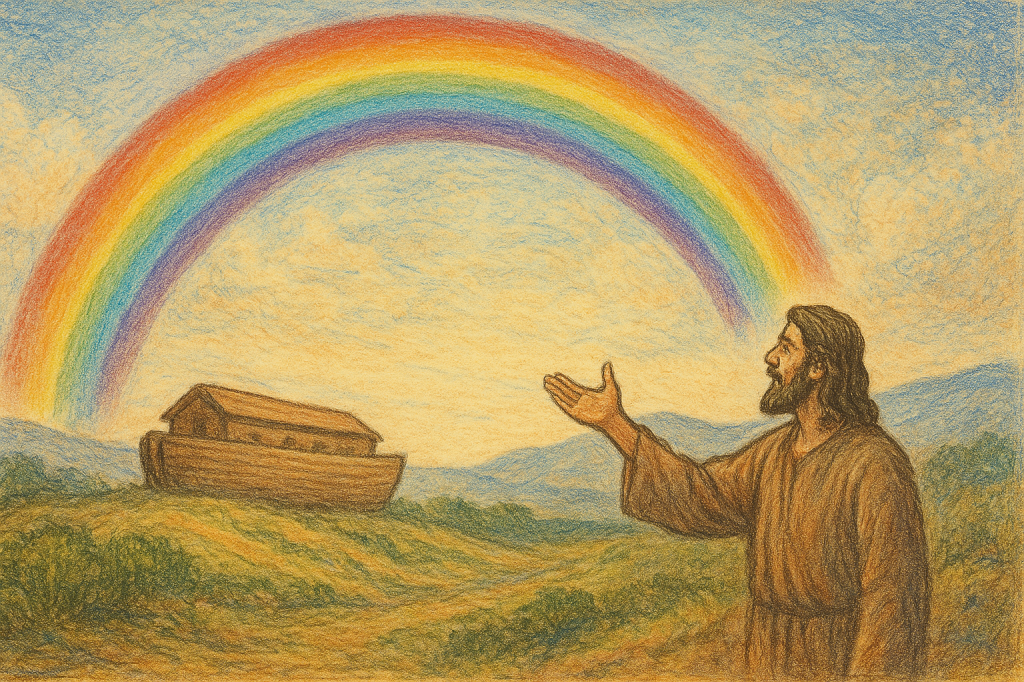
The flood waters had receded, and humanity received a second chance. Noah emerged from the ark to restart civilization, much like Adam had begun it in the garden. God blessed Noah and instructed him to multiply and fill the earth. The animal kingdom was placed under his care. Despite the devastation of the flood, people still bore God’s image. Everything pointed toward a fresh beginning.
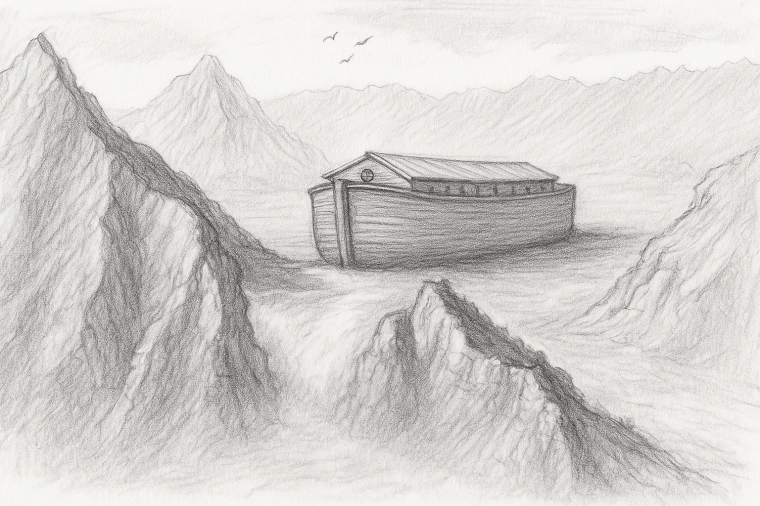
Yet the same problems that plagued the first man would plague this new patriarch. Noah was described as righteous, faithful, and blameless among his peers. With such credentials, expectations ran high that he would succeed where Adam had failed. But the human heart remained unchanged. Noah would stumble just as Adam did, proving that even after judgment and renewal, sin persists.
After leaving the ark, Noah turned to agriculture and planted a vineyard. Years of cultivation passed before he could harvest grapes and produce wine. Then he drank too much, became drunk, and collapsed naked inside his tent. Wine itself is not evil, Scripture celebrates it as one of God’s good gifts. But like all good things, sin twists it into something harmful. Drunkenness is explicitly forbidden, and excessive drinking leads people into foolishness. Even a righteous man can become a drunkard by lingering too long over alcohol. For some people, the wisest choice is complete abstinence.
However, Noah’s drunkenness was not the central issue. His son Ham discovered his father in this shameful state. Rather than showing respect, Ham stared at his father’s nakedness and seemed to take satisfaction in it. He then eagerly announced what he had seen to his brothers outside the tent. This violation cut deeper than it appears. At that time, Noah held every position of authority that God had established. Ham’s actions broke the command to honour one’s father and mother.
Disrespecting legitimate authority in any sphere dishonours Christ who delegates all proper authority. The command to honour parents extends beyond childhood to respecting those superior in age, experience, and position. Ham should have protected his father’s dignity and covered his weakness with love. Instead, he took pride in exposing Noah’s failure and quickly spread the news.
Ham’s two brothers, Shem and Japheth, responded differently. They took a garment, placed it on their shoulders, and walked backward into the tent to cover their father without looking at him. They went to considerable trouble to preserve Noah’s honour. Their respect was not based on Noah’s behaviour but on his position. Even when authorities fail, their office deserves respect. This gracious response demonstrated God working in their lives.
When Noah awoke and learned what Ham had done, he pronounced both curse and blessing. He cursed Canaan, Ham’s son, declaring that Canaan would serve his brothers. This curse applied specifically to Canaan and his descendants, who would display the same sinful patterns as their father. It has nothing to do with racial inferiority or justifying slavery. The curse was fulfilled when Israel conquered the land of Canaan centuries later.
Noah blessed Shem, speaking of God’s special relationship with him. Shem’s descendants would be favoured by God and rule over Canaan. Noah also blessed Japheth, saying he would be enlarged and dwell in Shem’s tents, indicating that Japheth’s descendants would share in Shem’s blessings.
These pronouncements connected to God’s earlier promise that a descendant of the woman would crush the serpent’s head. Shem’s line led to Abraham and the Jewish people. Through the tribe of Judah, God preserved his people until Jesus Christ came into the world. Christ, a descendant of Shem, perfectly obeyed God’s law and secured the righteousness that God requires. He gave his life to pay for sin. Though the enemy wounded him at the cross, Jesus destroyed the serpent’s power and proved it through his resurrection.
The blessing on Japheth found fulfillment when the gospel spread beyond Israel to all nations. Unless someone has Jewish ancestry, they descend from Japheth and enter God’s family through faith in Christ.
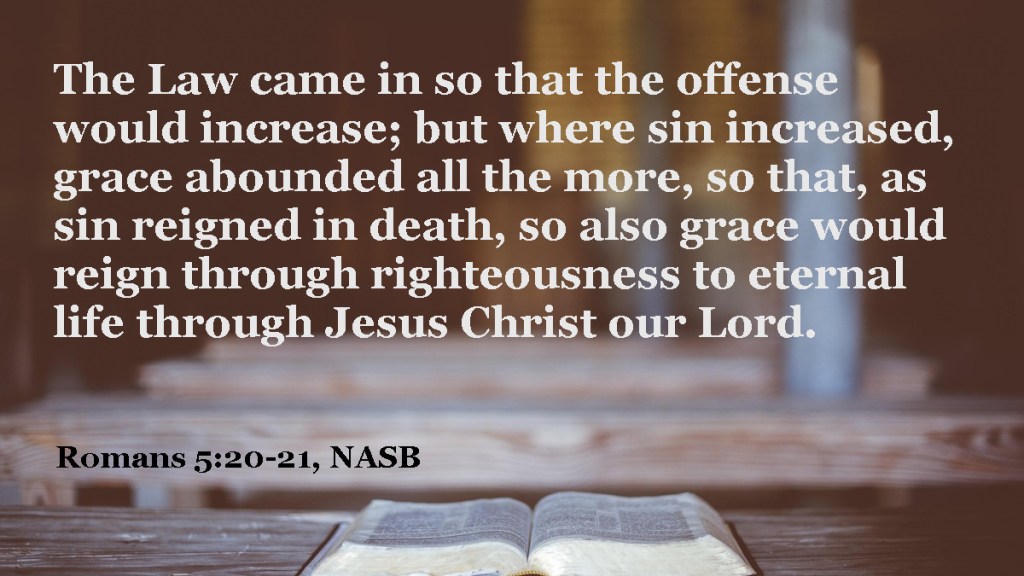
Sin distorts everything good that God provides, but grace always overcomes sin. No matter how serious someone’s offences against God may be, there is more grace available in Jesus Christ than sin in any person. God receives people only by grace. This was true for Noah, for ancient prophets, and for every believer today.
 Texas Gospel Canada Southern Gospel Radio