

DON HEBERT
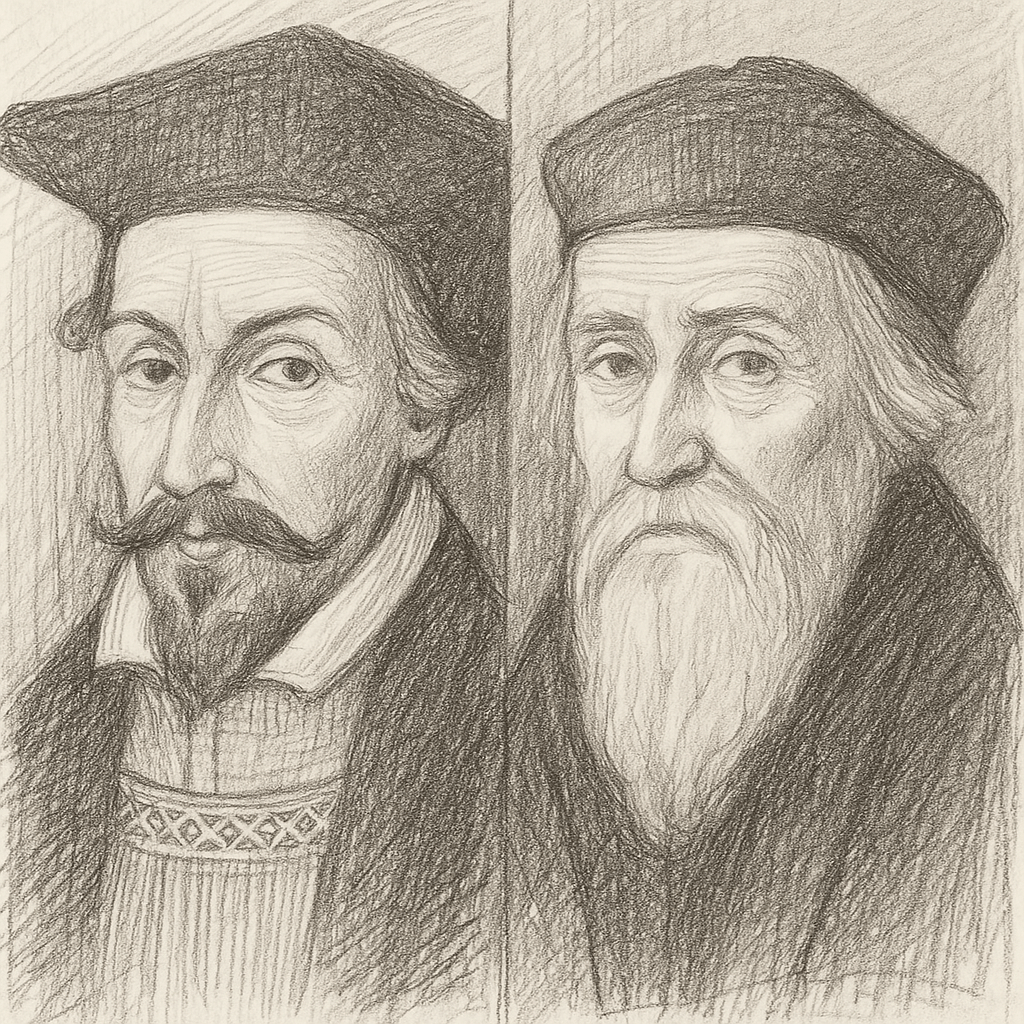
People throughout history have faced difficult choices between their beliefs and their safety. During the Reformation, three Anglican ministers were told to accept Catholic Church teachings or face death. Two of them, Hugh Latimer and Nicholas Ridley, refused to deny their Protestant faith. As they were tied to stakes and burned alive, Latimer spoke encouraging words to his friend. He said they would light a candle in England that would never go out. These men died with confidence because they trusted God completely.
The third minister, Thomas Cranmer, made a different choice at first. Fear overwhelmed him, and he wrote a letter saying he no longer believed Protestant teachings. He gave in to pressure from Catholic authorities, even though he still held his original beliefs privately. His fear of what people would do to him became stronger than his fear of God. This would change before his death, and he too was executed.
These men’s lives show us two paths. One shows the kind of faith we should aim for, where we trust God no matter what happens. The other reminds us how easy it is to take the easy way out when things get difficult.
The book of James was written to Jewish believers who were scattered across the Roman Empire during a hard time. They faced many challenges and needed encouragement to stay faithful. James wrote to teach them how to handle trials with confidence and how to live out genuine faith in their daily lives.
Some people today say they are not religious, only spiritual. They want to emphasize a personal connection with God rather than just following rules. While the desire for a real relationship with God is what we seek, religion itself is not a bad word. True religion combines belief with action. It means your faith shows up in how you live. James teaches us what pure religion looks like throughout his letter.
The main message of the first chapter is about having joy that does not waver. True faith means staying steady and joyful even when life is hard.
James starts by introducing himself as a servant of God and Jesus Christ. Even though he was the half-brother of Jesus, he does not boast about this connection. Instead, he shows that he is under God’s authority just like everyone else. This is important because it shows that joy comes from being secure in God, not from having a special position or status.
James tells his readers to count it as complete joy when they face different kinds of trials. It should be as the hymn says; it should be well with my soul. This seems like a strange instruction. How can difficult times bring joy? The answer is that trials test our faith, and when our faith is tested, it produces steadfastness. Being steadfast means staying firm in what you believe and not being moved by outside pressure or voices telling you to change.
When we stand firm on God’s word, we can share an important message with the world. We tell people that destruction is coming for those who reject God, but salvation is available through Jesus Christ. Even though all people are sinners, God sent Jesus to save us. Jesus looked toward the cross with determination and did not hold back. He endured suffering for the joy that was ahead of him. Now he sits at God’s right hand. Because Jesus endured, we can endure too.
As we go through trials, our faith makes us more complete . I’m speaking of our faith given as a gift from God. This does not happen overnight. We are not finished products yet. Everyone has areas where they need to grow. Each trial God allows brings us closer to being the people he wants us to be.
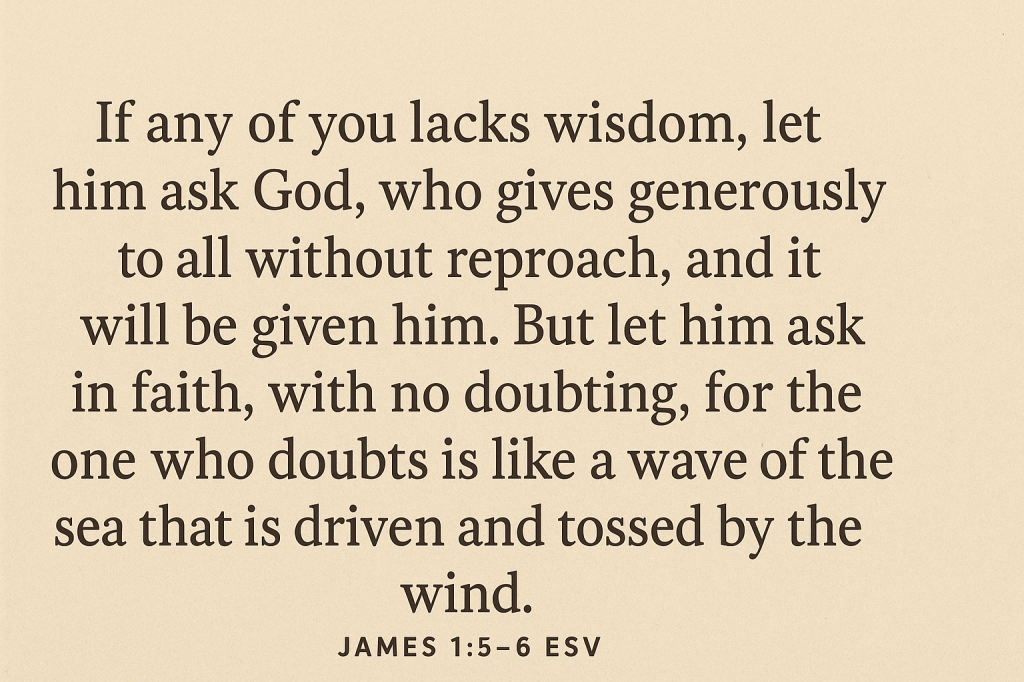
Growth can be painful. Trials hurt, even when we understand that God is using them for our good. That is why James gives us instructions for the times when we feel weak. If we lack wisdom, we should ask God for it. God gives generously to everyone who asks, and he does not scold us for needing help. He is a kind father who loves giving good gifts to his children.
We must ask without doubting. People who doubt are like waves tossed around by the wind. They have no firm foundation. They are double-minded and unstable in everything they do. When good times come, they seem to have faith. When hard times arrive, their faith disappears. This is not real faith at all.
Another reason we can have joyful steadfastness is because we can look forward to rewards from God. Yes, we should not focus solely on rewards, we should do the right thing because it is right. We do want our hearts to change and not just our behavior. But it is also true that rewards are actually good and biblical. God designed us to want rewards, and James teaches us about this.
Those who remain steadfast under trials will receive the crown of life. God promises this to those who love him. The crown of life means eternal life with God. It means a life full of joy and celebration, free from sin, sickness, and death. This is a life beyond anything we can experience now, better than our best days on earth.
When we face suffering, we can think about this promise. God is for us, not against us. He wants us to experience life in his presence, free from pain and addiction, free from disease and death. Even in our darkest moments, we can remember that our trials are temporary but God’s reward lasts forever.
The story of Thomas Cranmer does not end with his denial. The confidence of Latimer and Ridley lit a fire that led to Cranmer’s change of heart. He realized he had feared people more than God. He publicly declared he was wrong to deny his faith. As he began preaching the gospel clearly again, he was burned at the stake one year later in the same place his friends had died. When the flames were lit, he held his hand out first, saying it should be punished first because it had signed the letter denying his faith. This shows how someone can become steadfast even after failing.
I don’t think any of us will not be burned at the stake for our faith. But each of us will face trials. The book of James gives us comfort to rejoice, to seek God’s rewards, and to resolve to be godly and act now. This is the heart of true faith: joyful steadfastness in trials.
Blessed is a man who perseveres under trial; for once he has been approved, he will receive the crown of life which the Lord has promised to those who love Him.
James 1:12
 Texas Gospel Canada Southern Gospel Radio