

BOB RICHMOND
The words of 1 Chronicles 29:14–18 remind believers that everything they own already belongs to God. King David spoke with deep humility, recognizing that all people are only caretakers of what God provides. When he and his people gave toward building the temple, David understood they were simply returning to God what was already His. True giving begins in the heart. It cannot come from pride or guilt, but from the joy of knowing that God owns all things.
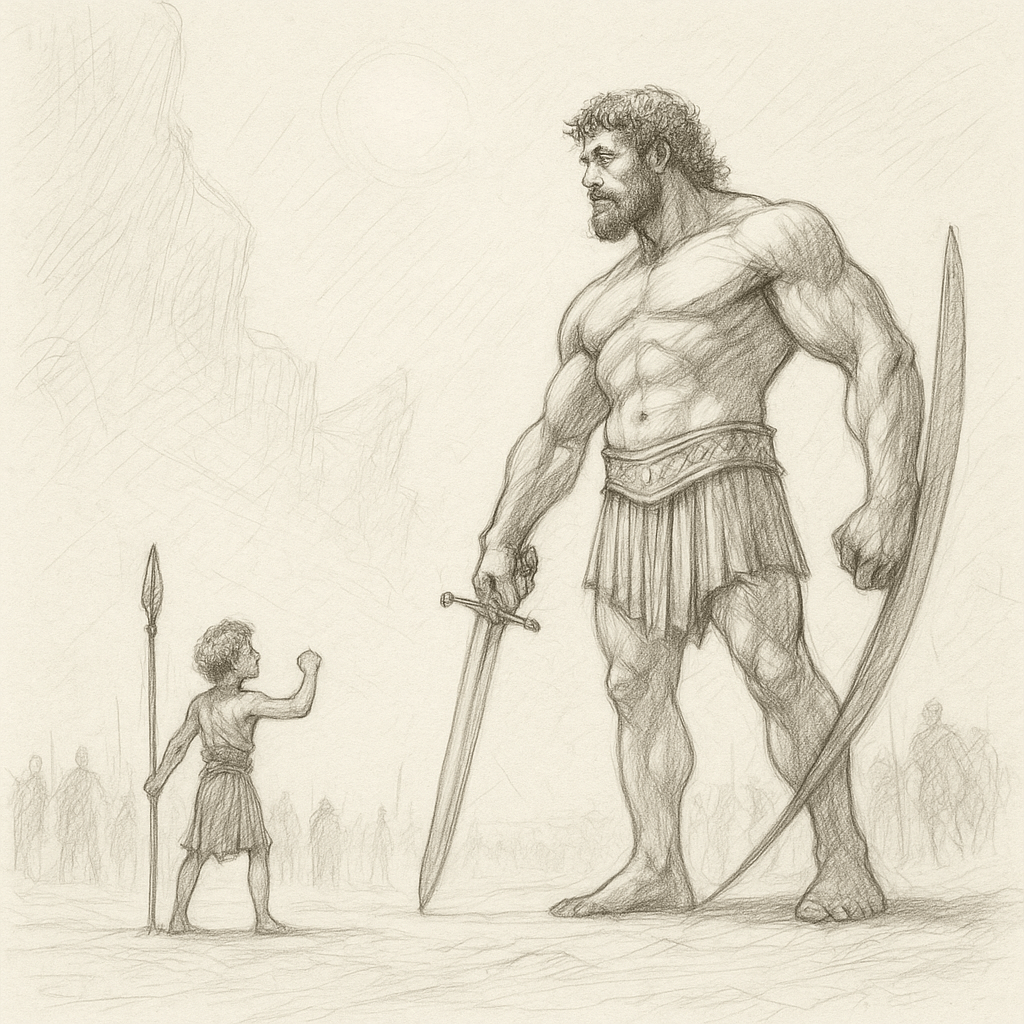
David’s life showed how faith grows through trust in God. When he was a young shepherd, he faced a lion and a bear, and later, the giant Goliath. In each challenge, David knew it was not his own strength but God working through him. This same trust guided him in his later years when he desired to build a temple for God. However, God told him that his son Solomon would be the one to complete that work. Though this news must have disappointed him, David accepted it with grace. Instead of being bitter, he poured his effort and wealth into preparing everything Solomon would need. His example moved the whole nation to give willingly and joyfully.
David prayed that the people’s hearts would stay focused on God, that their devotion would grow so strong it would fill their thoughts and dreams. He wanted them to understand that giving to God’s work is not a loss but a privilege. When believers see giving as returning what God already owns, they cannot be angry or defensive about it. Their joy grows when their hearts are right with God.
The message from David’s prayer also reminds Christians today that faith is seen not only in words but in actions. Giving and serving reveal what is in the heart. A soft heart is eager to give and serve; a hard heart resists and finds reasons to hold back. Jesus taught that “where your treasure is, there will your heart be also.” If people invest only in earthly things, they risk losing what they value. But when they invest in God’s work, they store up treasures that last forever.
All to Him I freely give;
I will ever love and trust Him,
In His presence daily live.
The story of David also connects to how Christians today should live and give. God blesses people not only for their own comfort but so they can bless others. Those who have been given much are called to use their blessings for God’s purposes. Even small acts of generosity matter when done with a sincere heart. What matters most is not the size of the gift but the willingness behind it.
The Apostle Paul spoke about churches in Macedonia who gave to help others even when they were poor and struggling. They found joy in giving because their hope was not in wealth but in God. Their generosity came from first giving themselves fully to the Lord. When a person gives their heart to God, giving anything else becomes natural.
David’s prayer ended with a request that God would keep the people’s hearts set on Him and that their devotion would continue for future generations. What they gave built more than a building; it built faith, unity, and hope. Their obedience became a testimony that lasted long after David’s lifetime.
Every believer faces the same choice: to hold tightly to what they have or to trust God with it. A willing heart says “yes” to God and helps build something that lasts beyond one lifetime, faith in families, unity in churches, and blessings for generations to come.
Consider Joshua’s words recorded in Joshua 24:15, “As for me and my house, we will serve the Lord.” Shouldn’t this same spirit of surrender and service continue to shape the lives of those who follow Jesus today?
Each one must do just as he has decided in his heart, not reluctantly or under compulsion, for God loves a cheerful giver.
2 Corinthians 9:7
 Texas Gospel Canada Southern Gospel Radio