When history repeats itself

WILLIAM KILLIAN

The flood waters had receded, and humanity received a second chance. Noah emerged from the ark to restart civilization, much like Adam had begun it in the garden. God blessed Noah and instructed him to multiply and fill the earth. The animal kingdom was placed under his care. Despite the devastation of the flood, people still bore God’s image. Everything pointed toward a fresh beginning.
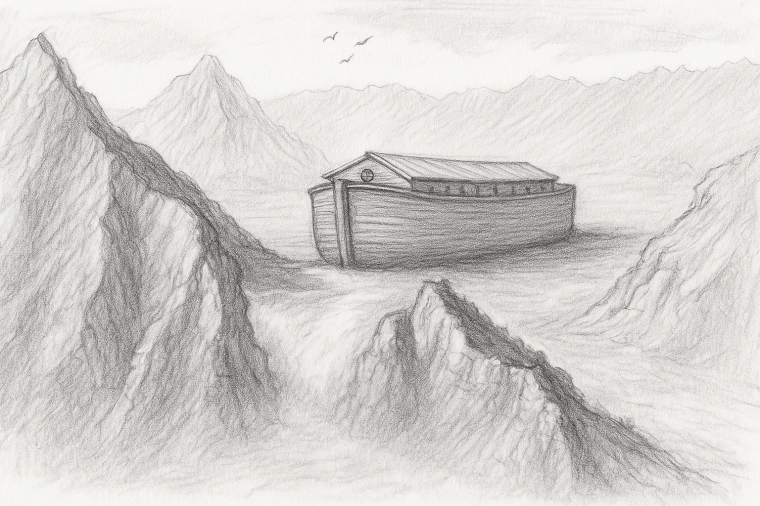
Yet the same problems that plagued the first man would plague this new patriarch. Noah was described as righteous, faithful, and blameless among his peers. With such credentials, expectations ran high that he would succeed where Adam had failed. But the human heart remained unchanged. Noah would stumble just as Adam did, proving that even after judgment and renewal, sin persists.

After leaving the ark, Noah turned to agriculture and planted a vineyard. Years of cultivation passed before he could harvest grapes and produce wine. Then he drank too much, became drunk, and collapsed naked inside his tent. Wine itself is not evil, Scripture celebrates it as one of God’s good gifts. But like all good things, sin twists it into something harmful. Drunkenness is explicitly forbidden, and excessive drinking leads people into foolishness. Even a righteous man can become a drunkard by lingering too long over alcohol. For some people, the wisest choice is complete abstinence.

However, Noah’s drunkenness was not the central issue. His son Ham discovered his father in this shameful state. Rather than showing respect, Ham stared at his father’s nakedness and seemed to take satisfaction in it. He then eagerly announced what he had seen to his brothers outside the tent. This violation cut deeper than it appears. At that time, Noah held every position of authority that God had established. Ham’s actions broke the command to honour one’s father and mother.

Disrespecting legitimate authority in any sphere dishonours Christ who delegates all proper authority. The command to honour parents extends beyond childhood to respecting those superior in age, experience, and position. Ham should have protected his father’s dignity and covered his weakness with love. Instead, he took pride in exposing Noah’s failure and quickly spread the news.

Ham’s two brothers, Shem and Japheth, responded differently. They took a garment, placed it on their shoulders, and walked backward into the tent to cover their father without looking at him. They went to considerable trouble to preserve Noah’s honour. Their respect was not based on Noah’s behaviour but on his position. Even when authorities fail, their office deserves respect. This gracious response demonstrated God working in their lives.

When Noah awoke and learned what Ham had done, he pronounced both curse and blessing. He cursed Canaan, Ham’s son, declaring that Canaan would serve his brothers. This curse applied specifically to Canaan and his descendants, who would display the same sinful patterns as their father. It has nothing to do with racial inferiority or justifying slavery. The curse was fulfilled when Israel conquered the land of Canaan centuries later.

Noah blessed Shem, speaking of God’s special relationship with him. Shem’s descendants would be favoured by God and rule over Canaan. Noah also blessed Japheth, saying he would be enlarged and dwell in Shem’s tents, indicating that Japheth’s descendants would share in Shem’s blessings.

These pronouncements connected to God’s earlier promise that a descendant of the woman would crush the serpent’s head. Shem’s line led to Abraham and the Jewish people. Through the tribe of Judah, God preserved his people until Jesus Christ came into the world. Christ, a descendant of Shem, perfectly obeyed God’s law and secured the righteousness that God requires. He gave his life to pay for sin. Though the enemy wounded him at the cross, Jesus destroyed the serpent’s power and proved it through his resurrection.

The blessing on Japheth found fulfillment when the gospel spread beyond Israel to all nations. Unless someone has Jewish ancestry, they descend from Japheth and enter God’s family through faith in Christ.

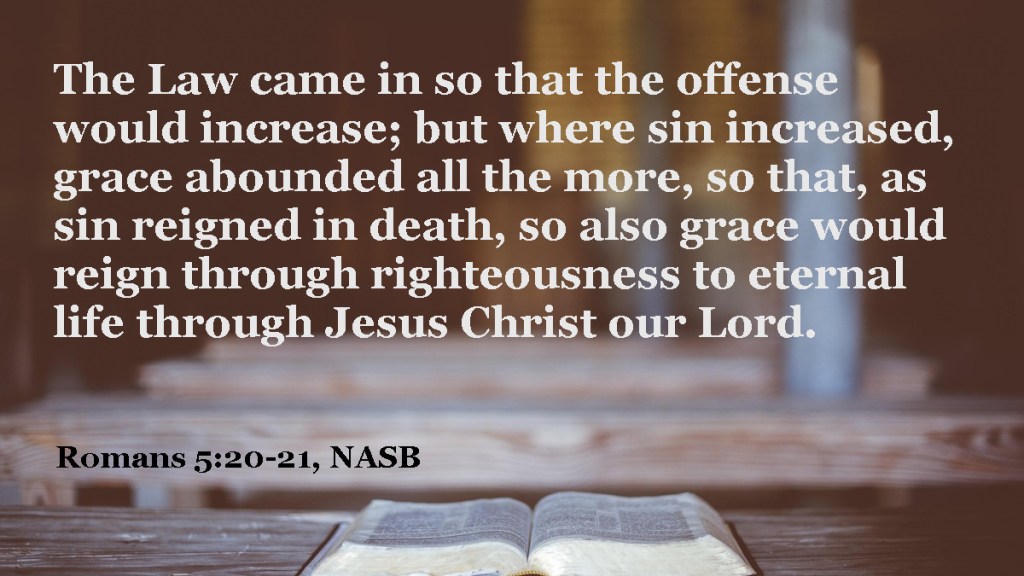
Sin distorts everything good that God provides, but grace always overcomes sin. No matter how serious someone’s offences against God may be, there is more grace available in Jesus Christ than sin in any person. God receives people only by grace. This was true for Noah, for ancient prophets, and for every believer today.

Finding Hope Amidst Life’s Difficulties

TEXAS GOSPEL VOLUNTEER

Life is full of pain, sorrow, and suffering. Everyone experiences guilt, grief, and despair at some point. Sometimes, these troubles come because of our own mistakes and sins. This makes our pain even harder to bear. John Bunyan’s classic book, The Pilgrim’s Progress, gives a vivid example. The main character, Christian, and his friend take a wrong path and end up in Doubting Castle. There, they are captured and beaten by Giant Despair. Christian not only suffers but also feels responsible for leading his friend astray. In such moments, when we face the consequences of our own choices, is there any hope? The Bible shows that hope is possible, even in the ruins of our sin. Genesis 3:20-21 shows us that faith in God’s provision can bring hope and restoration.

Genesis 3 describes the first sin committed by Adam and Eve. It also tells of the punishment they received. But right after the tragedy, the Bible shifts to a message of hope. Two key things happen: Adam believes, and God provides. Faith in God’s provision brings hope even in the midst of sin. In Genesis 3:20, Adam names his wife Eve, which means “life” or “life-giver.” Before this, he had simply called her “woman.” By naming her Eve, Adam expresses faith in God’s promise that life would continue through her. This was remarkable because Adam and Eve had just been sentenced to hardship and death. Yet, Adam chose to believe in God’s word from Genesis 3:15, where God promised that one day, a Savior would come from the woman’s offspring to defeat sin and Satan. Faith means trusting God’s word, even when circumstances seem hopeless. Adam’s act shows that he had a humble and living faith in God. If Adam could trust in God with only a small glimpse of the Savior, how much more should we trust in Christ, who has now been fully revealed?

Genesis 3:21 tells us about God’s response to Adam and Eve’s sin: “And the Lord God made for Adam and for his wife garments of skin and clothed them.” This act was full of grace. Before their sin, Adam and Eve did not need clothing. But now, they felt shame and were exposed to a harsh world. Their own attempt to cover themselves with fig leaves was not enough. So God provided them with better clothing—garments of skin. This likely required the death of an animal, the first sacrifice recorded in the Bible. This event teaches two important lessons. First, sin has a cost. John Calvin suggested that every time Adam and Eve saw their clothing, they were reminded of their sin and its consequences. Second, forgiveness requires a sacrifice. The Bible teaches that “without the shedding of blood, there is no forgiveness of sins” (Hebrews 9:22). The garments foreshadow the ultimate sacrifice—Jesus Christ, the Lamb of God, who would take away the sin of the world (John 1:29). No human effort can fully cover our sin. Only God’s provision—Jesus’ death and resurrection—can truly cleanse us. Romans 3:23 reminds us that “all have sinned and fall short of the glory of God,” but through faith in Christ, we receive His righteousness.

Faith is not just the beginning of salvation; it is how we continue to live. In The Pilgrim’s Progress, Christian and his friend are trapped in Doubting Castle until Christian remembers he has a key called “Promise.” Using the promises of God, they escape their prison of despair. The Bible is full of promises that can restore our hope. Isaiah 40:30-31 says, “But those who wait for the Lord shall renew their strength; they shall mount up with wings like eagles; they shall run and not be weary; they shall walk and not faint.” Romans 8:28 tells us, “And we know that for those who love God all things work together for good.” Psalm 37:23-24 assures us, “The steps of a man are established by the Lord…though he fall, he shall not be cast headlong, for the Lord upholds his hand.” The gospel assures us that God’s grace is greater than our sin. An illustration of this comes from the ruins of Manila after World War II. Amid the devastation, hope remained. Likewise, even in the ruins of sin, hope exists through Jesus Christ.

No matter how broken our lives are, God offers hope through faith in Christ. Now is the time to trust in Him. Pray for His grace, forgiveness, and the faith to believe in His promises. His provision is more than enough for us to rise from the ruins and walk in new life.

Scotty Inman Performs “Motel Bible” with The Isaacs on the Grand Ole Opry Stage

JEFF TURNER

In a momentous evening this past Wednesday, October 30th, Scotty Inman brought his latest song, “Motel Bible,” to life on the iconic Grand Ole Opry stage, joined by The Isaacs. This performance marked a significant milestone for Inman as he performed the final single from his solo album, My God, which debuted in March 2024.

The song, co-written by Levi and Jimmy Leigh Erie, holds personal significance for Inman. Reflecting on the moment, Inman shared, “I got a phone call from Levi with The Isaacs. He said, ‘What are you doing Wednesday night, October the 30th?’ And I said, ‘I have no idea.’ He said, ‘Well, if you’re free, you’re singing Motel Bible on the Opry.’ And I was like, ‘Are you kidding me?’”

For Inman, who has long considered The Isaacs both friends and inspirations, the invitation was a moment of fulfillment. “Man, the Isaacs have always been huge encouragers and great friends to me,” he continued. “The fact I got to sing it on the stage there is literally a dream come true.”

The evening brought together country, gospel, and bluegrass fans, all eager to experience a heartfelt performance that celebrates storytelling and faith. Inman’s collaboration with The Isaacs for “Motel Bible” added a personal layer to a song that’s already resonating with fans of his new album.

Created in His Image

Texas Gospel Staff

“So God created mankind in his own image, in the image of God he created them; male and female he created them.” – Genesis 1:27

Sometimes we forget how we started—perfect, pure, and in complete harmony with God. We weren’t created broken or flawed. We were made to reflect God’s own nature: to love perfectly, to show mercy, to create beauty.

This isn’t just ancient history. It’s the blueprint of who we really are, who we were meant to be. When you look in the mirror and see your flaws, remember that underneath them lies God’s original masterpiece.

Understanding our original design helps us grasp both the tragedy of our fall and the glory of our redemption. God isn’t trying to turn us into something alien—He’s restoring us to our true selves.