

GREG ROGERS
The battle of Armageddon appears in Revelation 16:16, which tells us that forces will gather at a place called in Hebrew “Armageddon.” This word comes from two Hebrew terms: “Har” (meaning hill or mountain) and “Megiddo” (the ancient city of Megido). Together, they refer to the hill of Megiddo, a real location with profound historical significance.
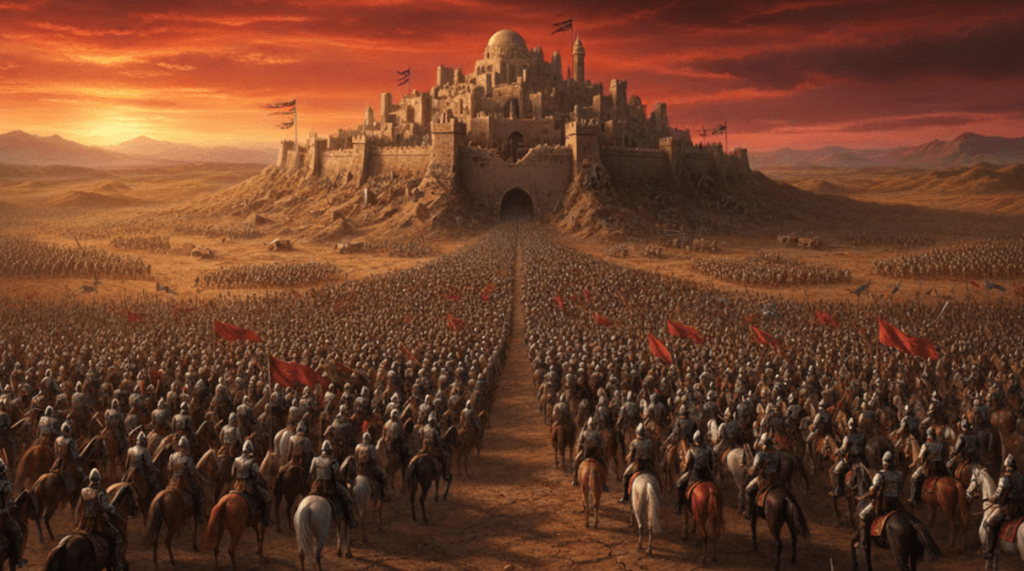
Megiddo sits in the Jezreel Valley and has been continuously inhabited since around 3000 BC. Archaeologists have discovered at least 20 cities built one on top of another at this site. By the first century, the accumulated ruins had raised the city about 70 feet above the surrounding valley. Winston Churchill remarked that never in human conflict have so many fought so often over so little space.
The location’s importance stems from geography. Anyone traveling between Egypt and the regions of Syria, Turkey, or Mesopotamia had to pass through this area. The Mediterranean Sea blocked passage to the west, and the Arabian desert to the east. The Mount Carmel range created a natural barrier, with Megiddo controlling the most direct pass through the mountains. Whoever controlled Megiddo controlled the entire region, leading to an ancient Egyptian inscription declaring that “the capture of Megiddo is the capture of a thousand towns.”
At least 34 major battles occurred at Megiddo over 4,000 years. The first recorded battle dates to 1469 BC, when Egyptian Pharaoh Thutmose III defeated Canaanite forces there. In 1918, British General Edmund Allenby studied ancient accounts of that Egyptian battle and replicated the same strategy, leading to a decisive victory over Ottoman forces in World War I.
For first-century readers, Megiddo carried powerful symbolic meaning from Old Testament battles. Deborah and Barak defeated Sisera there. Saul and Jonathan died fighting Philistines at nearby Mount Gilboa. Elijah defeated the prophets of Baal on Mount Carmel, which overlooks the valley. King Josiah was mortally wounded there. Throughout these accounts, one pattern emerges: when God’s people remained faithful, they won; when unfaithful, they lost.
Revelation uses symbolic language drawn from Old Testament imagery. The book contains over 400 allusions to earlier scriptures. The battle of Armageddon should be understood within this framework. Some say it is a prediction of a literal future conflict. Others say it is using familiar Old Testament battlefield imagery to communicate a message. I’ll not pretend to know which given that the Bible doesn’t say. Either way, Revelation describes a battle between good and evil.
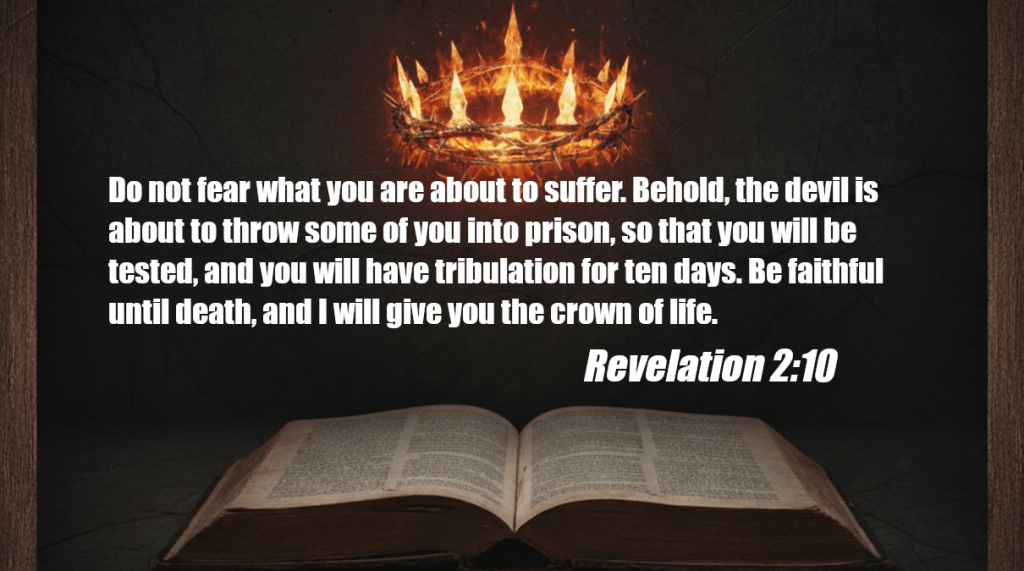
This encouragement applies to believers facing persecution in any era. While the specific historical context addressed Rome, the principle remains constant: God ensures victory for those who stay faithful to Him, regardless of earthly opposition.
 Texas Gospel Canada Southern Gospel Radio