

RICHARD CORDER
I believe that Christian freedom represents one of the most misunderstood concepts in the life of faith. When believers receive salvation through Christ, they gain liberty from the burden of the Mosaic law, yet this freedom comes with responsibilities that many fail to recognize.
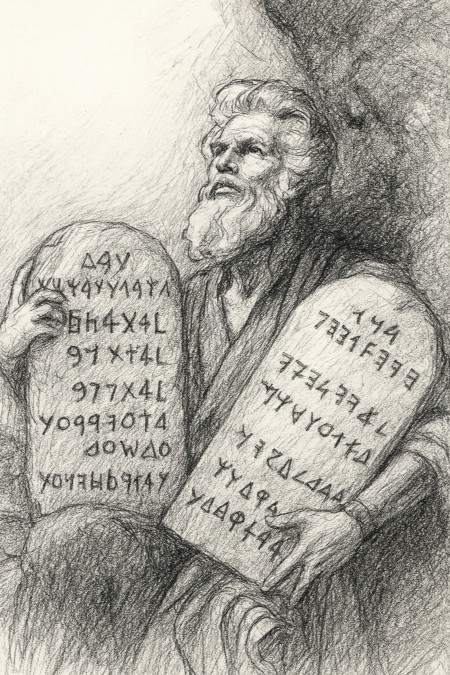
The law of Moses created a heavy weight for those who tried to follow it. Its principles remained just and good, but people could not obey it consistently. This constant failure led to frustration and discouragement. The law served a specific purpose: It was meant to reveal human sinfulness and point people toward their need for Christ. It functioned as a teacher, showing individuals they could not keep the commandments on their own and needed a saviour.
Living under law-based religion never brings lasting joy or satisfaction. Those who tried found only temporary gratification that quickly turned to disappointment when they failed again. This struggle appears clearly in Scripture, where one writer describes the internal battle of wanting to do right but doing wrong instead. The desire existed, but the ability to consistently follow through did not.
When someone turns to Christ, everything changes. Believers no longer try to obey an external set of rules. Instead, they receive an internal guide. The Holy Spirit dwells within them. This inner law provides direction and strength that external commandments never could. While the flesh still creates problems and causes stumbling, the Spirit offers power to live differently.
However, some people misunderstand what Christian liberty means. They believe that because they are saved by grace, sin no longer matters. This thinking represents a dangerous error. True believers cannot continue living in sin without conviction. The Spirit within them creates discomfort when they disobey. Those who claim to follow Christ yet persist in wrongdoing without any sense of guilt should examine whether their faith is genuine.
The Savior came to give his life away
To save the lost
To fight and win the war of love and hate
He paid the cost that only he himself could ever pay
He bled and died upon a cross once and for all
Freedom in Christ means liberation from several things. First, believers are freed from the penalty of sin, which is death. Second, they gain freedom from the power of sin through daily trust in Christ. Third, they no longer live under the Mosaic law, which could only expose sin but never forgive it. The law showed people God’s standards, but righteousness comes only through faith in Jesus.
This liberty creates a desire for holiness and a hatred of sin. True believers do not tolerate ongoing disobedience in their lives. When they fail, they repent quickly and turn away from wrongdoing. Christian maturity shows itself in how rapidly someone abandons sin after falling into it.
Yet Christian freedom involves more than just avoiding evil. Liberty in Christ means believers are now free to serve others. Salvation includes this purpose, to serve God and fellow believers. One key sign of spiritual maturity is how much a person serves in the church community. True spirituality shows itself not through impressive speaking or extensive Bible knowledge alone, but through practical service to others.
Sin makes serving impossible because it represents the ultimate selfish behaviour. Sin focuses entirely on personal satisfaction and desires, with no concern for other people. When Christ delivers someone from sin, this self-centred dynamic changes. Believers begin to think about others and look for ways to help them.
Jesus demonstrated this principle clearly with his disciples. He explained that true greatness comes through service, not through seeking position or recognition. Though he deserved to be served, he chose to serve others. His followers must do the same.
Christian love for one another serves as evidence to the world that believers belong to Christ. People watching the church should see a different way of relating. Christian liberty means freedom from the law’s condemnation and freedom to love and serve others through the Spirit’s power. The heart of what it means to follow Christ is not following endless rules, but living by an internal guide who empowers believers to love as they have been loved.
I am giving you a new commandment, that you love one another; just as I have loved you, that you also love one another. By this all people will know that you are My disciples: if you have love for one another.”
John 13:34-35

 Texas Gospel Canada Southern Gospel Radio