DON HEBERT
People often struggle to understand why the world still feels heavy with pain, confusion, and injustice when Jesus accomplished so much. He lived among people, died for their sins, rose from the dead, and opened the way to salvation. So why do believers still face weakness and suffering? It can feel strange that after beginning such hope, Jesus then returned to the Father. Why didn’t he stay?

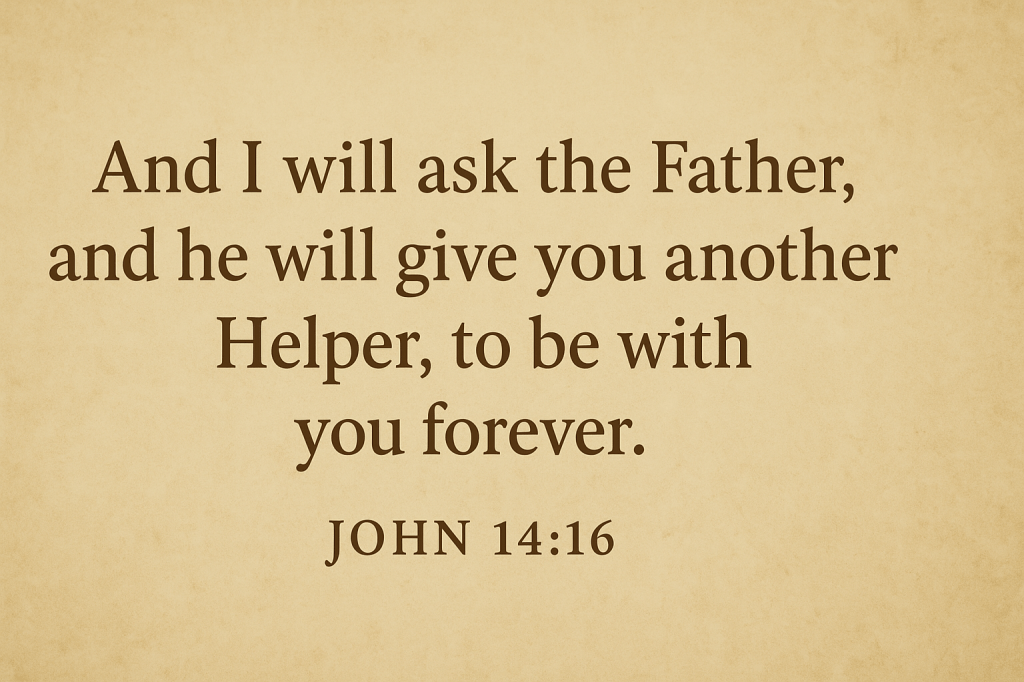
I think scripture gives a clear answer. Jesus said his departure was not a loss, but a benefit. He promised that when he left, the Holy Spirit would come. The Spirit’s presence is not small or secondary. It is the reason Christians today are able to hold on to hope.
The Spirit’s work is close and personal. Jesus walked beside people, but the Spirit lives within them. This means God is not only near but present in the deepest part of a believer’s life. Because of this, faith can grow even in hardship.
The Spirit is not limited by place or time. Jesus, in his human body, could be in only one place. The Spirit, however, is with believers across the world, at every moment. There is no waiting in line for God’s attention, no distance to travel, and no barrier of time. The Spirit strengthens, comforts, and prays for believers wherever they are.
God also had a larger plan in sending the Spirit. The Spirit filled the early followers of Jesus and empowered them to spread the good news far beyond the regions where Jesus walked. Today, millions believe because the Spirit continues this work. Through him, the message of Christ reached places and people it never could have if Jesus had stayed in one physical location on earth.
dawn upon this soul of mine.
Voice of God, and inward Light,
wake my spirit, clear my sight.
One of the Spirit’s most important works is conviction. Without this, people would remain unaware of their need for grace. The Spirit shows the heart its sin, reveals the emptiness of self-made goodness, and exposes false ideas about judgment. Though conviction can feel uncomfortable, it is actually a gift. It opens the way to forgiveness, healing, and life with Christ. Every believer who has turned to Jesus has done so because the Spirit first stirred their heart.
The Spirit also guides believers into truth. This guidance is not about secret predictions or hidden knowledge. It is about understanding God, seeing Jesus more clearly, and recognizing what is true in a world full of confusion. The Spirit guided the first followers of Jesus as they wrote the New Testament, and he continues to guide believers today through those same scriptures. When the Spirit teaches, the goal is always the same: to lift the heart toward Christ. His work does not draw attention to himself but points people to the beauty and goodness of Jesus.
All that the Father has belongs to the Son, and the Spirit makes these riches known to believers. Through him, people learn what it means to belong to God, to be secure in Christ, and to live with a future filled with hope. These truths shape ordinary days, days filled with errands, worries, and responsibilities. When life feels crowded or tiring, the Spirit reminds believers of what is real and eternal.
The Spirit’s presence is not a small comfort. It is a promise fulfilled.