The Message of Hope in Joseph Habedank’s Music

JEFF TURNER

Many of us know what it feels like to be bound by invisible chains. Whether these bonds come from past mistakes, harmful patterns, or burdensome choices, the weight can feel overwhelming and permanent. Yet, there’s a powerful message of hope found in both scripture and personal testimonies: true freedom is possible.

The Bible speaks directly to this human experience of bondage and liberation. Romans 6:17 reminds us that through our obedience to God and His teachings, we are freed from the bondage of sin and become servants of righteousness. This verse emphasizes the importance of wholehearted obedience to God’s word, which ultimately leads us to a life of righteousness and freedom from sin. It encourages us to trust in God and leave the consequences of our obedience to Him, knowing that He will guide us on the path of righteousness.

In Galatians 5:1, the apostle Paul encourages believers to stand firm in the freedom that comes from Christ. This freedom is not to be used as an excuse to indulge in sinful behavior, but rather as an opportunity to serve others in love. We are called to recognize the promises of God and not allow ourselves to be bound by the constraints of the world. This verse reminds us that as Christians, we have been set free from the bondage of sin and are called to live in the freedom that comes from our relationship with Christ.

The lyrics of Joseph Habedank‘s Jesus Walked In illustrates this journey from bondage to freedom. Speaking about his own experience, he describes feeling like a prisoner locked in chains, bearing the weight of his past choices. He compares his heart to a cell without a key, a vivid metaphor for the hopelessness many feel when trapped by their circumstances or decisions.

However, Habedank’s song doesn’t end in that place of captivity. He shares how an encounter with Jesus completely transformed his situation, emphasizing how the very atmosphere changes when God’s presence enters our circumstances.

The journey from bondage to freedom isn’t always instantaneous or easy, but both scripture remind us that it is possible. True liberation comes not through our own strength alone, but through a transformative encounter with God who has the power to break every chain.
Mark Conklin’s Gospel Project Earns GRAMMY Recognition

JEFF TURNER

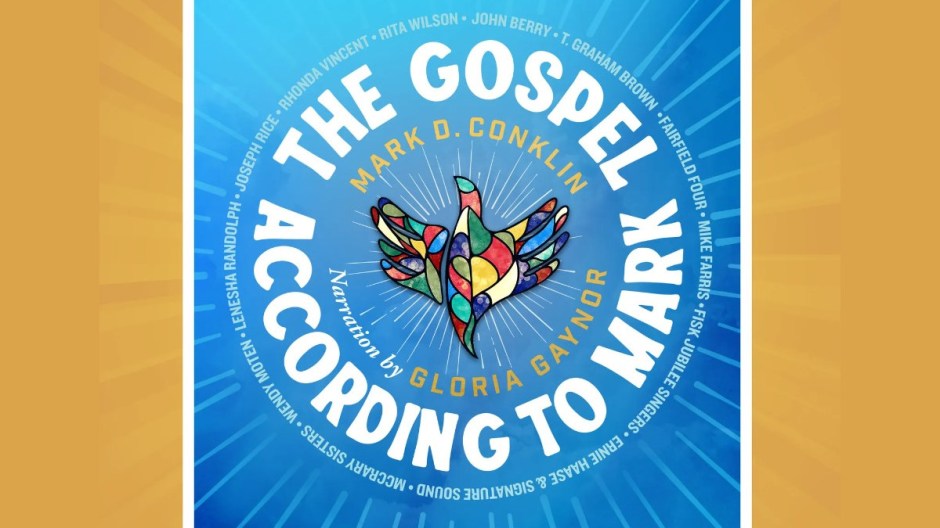
Mark Conklin’s ambitious project “The Gospel According To Mark” has received a prestigious GRAMMY nomination in the Roots Gospel Album category, marking a significant milestone for the artist and his collaborators.

The album, which tells the Gospel of Mark through a unique combination of song and narration, features an impressive array of talent, including legendary disco singer Gloria Gaynor as narrator. The project brings together a remarkable collection of guest artists, showcasing the collaborative spirit of the gospel music community.

Among the notable tracks is “Make Way,” featuring the powerful vocals of Ernie Haase & Signature Sound. The album also includes contributions from an all-star lineup of performers including actress and singer Rita Wilson, country music veteran T. Graham Brown, “The Voice” finalist Wendy Moten, bluegrass queen Rhonda Vincent, and country star John Berry.

Reflecting on the nomination, Conklin expressed his gratitude and excitement: “Big shout out to everyone at Stowtown, but also our narrator, Gloria Gaynor, and all of our special guests,” he said.

We’re just honored that we get to tell the story of the Gospel of Mark in song and narration form. Just really excited. I don’t think I’ll ever get over it.”

The nomination recognizes not only Conklin’s creative vision but also the collaborative effort of the entire production team at Stowtown Records who helped bring this unique musical interpretation of scripture to life.

From Mark’s Gospel to Music: The Story of Blind Bartimaeus Lives On

AMY TURNER

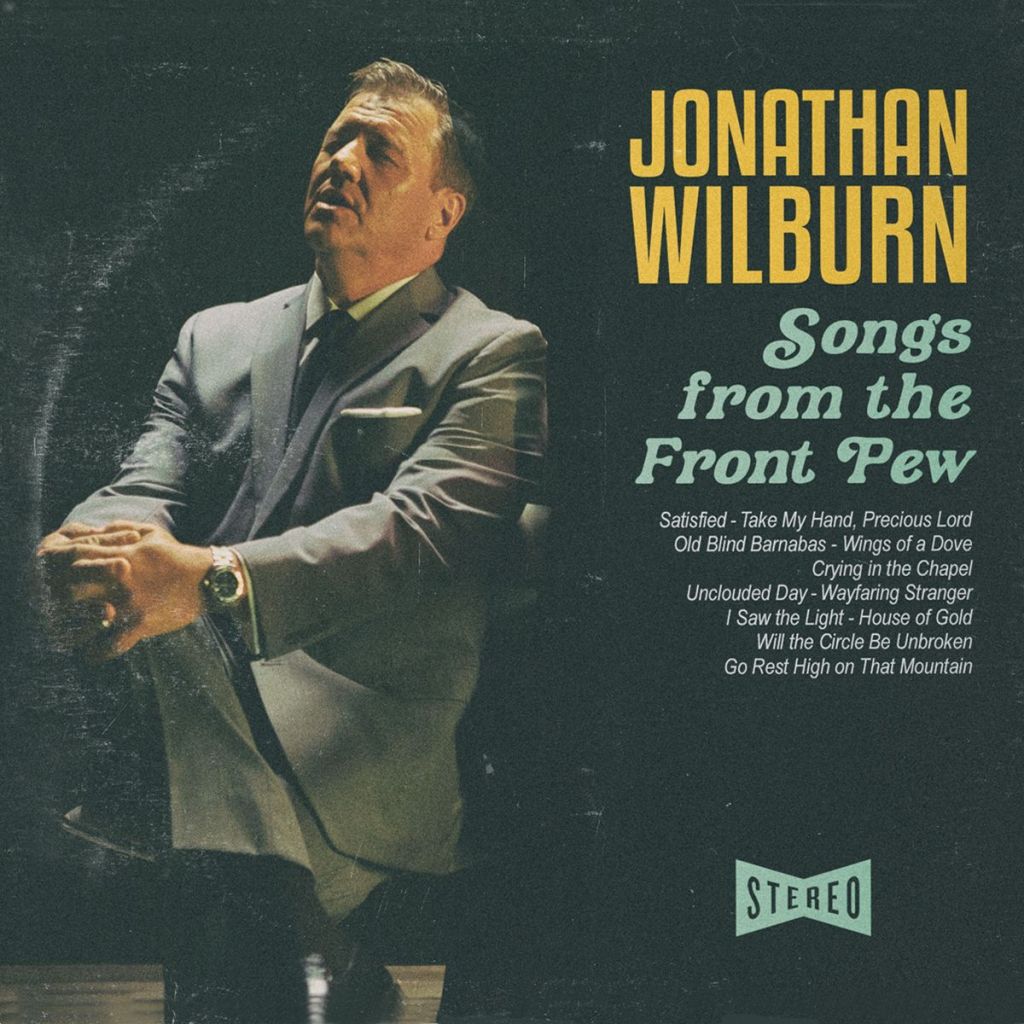
Gospel music veteran Jonathan Wilburn‘s newest album is “Songs from the Front Pew,” featuring a fresh take on the traditional gospel song “Old Blind Bartimaeus.” The lyrics speak of the New Testament story of Jesus healing a blind beggar (Mark 10:46-52.)

The song isn’t exactly new. Our music director found it was recorded by the Golden State Quartet in the 1940s and possibly others before then. A recording by The Bishops in the 1980s was also popular.

For this new rendition, Wilburn collaborated with an impressive quartet of talent. Producer Ben Isaacs assembled a dynamic group featuring himself, Mike Rogers, Gene McDonnell, and Wilburn on vocals. The production was enhanced by Stewie French’s distinctive lead guitar work.

“I think it turned out absolutely great. It’s just got a lot of energy,” Wilburn shared about the recording, highlighting the special quartet arrangement that brings new life to this timeless story of faith and healing.

The song recounts the Biblical narrative of Bartimaeus, a blind man who called out to Jesus for healing as He passed through Galilee. This gospel classic emphasizes themes of faith, persistence, and divine mercy, culminating in the miraculous restoration of Bartimaeus’s sight.

Johnathan Wilburn’s arrangement maintains the traditional gospel quartet style while incorporating contemporary production elements.

The Powerful Collaboration Behind ‘Man On The Middle Cross’

AMY TURNER

Scotty Inman recently released his latest single, Man On The Middle Cross, a heartfelt song that delves into themes of redemption, grace, and salvation. Featuring the powerful vocals of Jason Crabb and Charlotte Ritchie, the song has meaningful lyrics, reflecting the central Christian message of finding hope through Jesus.

Ephesians 2:8-9 tells us, “For by grace you have been saved through faith; and this is not of yourselves, it is the gift of God; not a result of works, so that no one may boast.” NASB. In Man On The Middle Cross, Inman speaks to the universal longing for salvation and the realization that human efforts alone cannot secure a place in heaven. The lyrics highlight the importance of faith in Christ, with lines that emphasize grace and the sacrifice of Jesus as the only way to find redemption. The chorus, in particular, underscores this message, as Inman sings:

“My only prayer, my only plea / The only hope for a sinner like me / There was a price I couldn’t pay / But Jesus did and HE’s the only way.”

This especially reflects the verse in Ephesians which teaches that salvation is a gift from God, available through faith and the sacrifice of Jesus on the cross. The verse and the song together affirm that our hope and redemption lie not in our own merit but solely in the grace extended by Jesus—the “man on the middle cross.”

The collaboration with Jason Crabb and Charlotte Ritchie brings an added dimension to the song, as both artists are celebrated in gospel and Christian music for their passionate and soulful singing. Scotty Inman has expressed his admiration for Ritchie’s talent, noting the significant role her voice plays in enhancing the song’s impact. In his words:

“I’ve always been a huge fan of Charlotte Ritchie. I love her voice. I love her spirit. We asked her, ‘Would you sing the third part on this?’ And she said, ‘Absolutely.’ And it was the right touch on that song to have her singing it. And of course, anytime you get Jason Crabb on a song, it just goes to another level.”

The lyrics of Man On The Middle Cross convey a humble acknowledgment of human imperfections and a celebration of divine grace. The song opens with verses that reflect on the different ways people hope to reach heaven, while also recognizing the insufficiency of simply “doing good.” Inman’s lyrics confess that despite our best efforts, we all carry “baggage” and imperfections, and that without Christ, we could never be “good enough.” He sings:

“Lots of folks got lots of ways
Hoping to make it through those pearly gates
Just do some good, live like they should
Trusting that’s all it’s gonna take

But I know me, all my baggage, all my stuff
I’ll never be good enough”

The lyrics reminder the listener of the Biblical truth of salvation through Jesus.

Jordan Lefevre finds divine purpose in recovery journey

JEFF TURNER

One year after a devastating accident during a firefighter training exercise, Jordan LeFevre of The LeFevre Quartet is sharing his story of faith and perseverance. LeFevre began serving as a part-time firefighter and quartermaster for White County, GA (USA) in 2017 and was promoted to fire chief in 2022. He had the accident the following year. The incident, which left him with multiple hip fractures, has become a powerful testimony of finding purpose through adversity.

LeFevre sees divine timing in what could have been an even more tragic situation.

“I’m so fortunate,” he reflects, noting that if it had been a real emergency call, the outcome could have been far worse due to the potential presence of fire beneath the floor. The recovery period became a time of deep spiritual reflection for LeFevre.

“It took putting me in the hospital bed for a little while and sitting me at the house to truly realize God’s plan for my life and where it’s heading,” he shares. The extended recovery time allowed him to analyze his life’s direction and purpose in ways he might not have otherwise.

Today, LeFevre has made remarkable progress in his recovery. He has retired as fire chief, but The LeFevre Quartet continues their ministry with their latest release, “Things We Cannot Change,” a fitting title that echoes the themes of acceptance and faith that LeFevre has experienced firsthand through his journey.

His story serves as a powerful reminder of how challenging circumstances can lead to unexpected blessings and deeper spiritual insights.