

JEFF TURNER
I suppose that when people think about real repentance, Judas Iscariot is not often named. Yet the Gospel of Matthew tells us that after Jesus was judged, Judas felt deep regret. He took the thirty silver coins back to the religious leaders. This shows both a feeling and an action that many people connect with repentance.
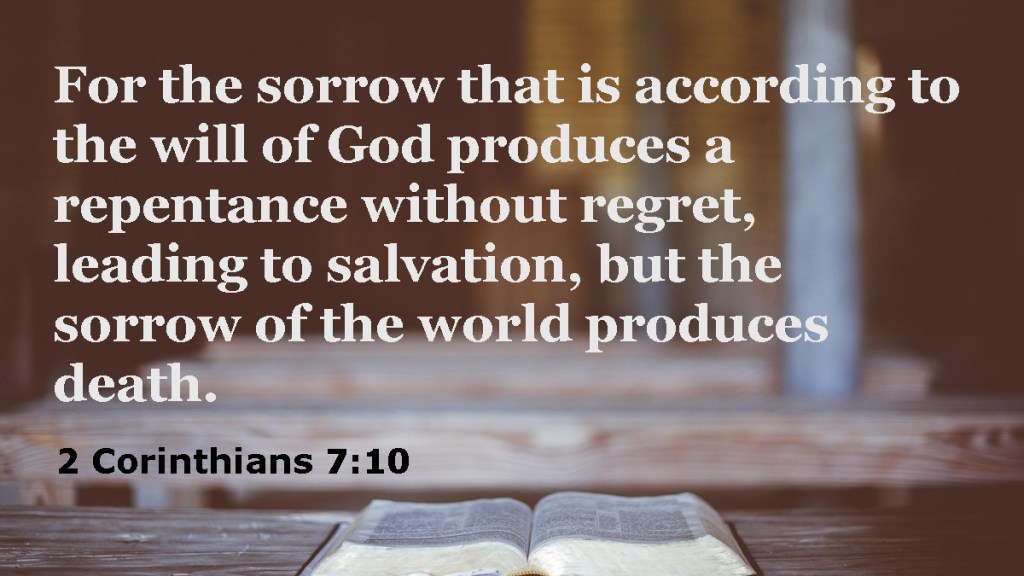
But doesn’t this story go further? The Bible does not say that Judas turned back to God for forgiveness. I read that he felt sorrow over what happened. He did not have a change of heart that leads to salvation. Feeling bad is not the same as repentance that brings new life.
Judas did not see himself as a sinner who needed mercy. His sadness came from regret, not faith. He had followed Jesus for the wrong reasons from the start. He wanted wealth, influence, and a high place in what he hoped would be a new kingdom. His choices were driven by greed. Because of this, Jesus once said that one of His followers was like an enemy.
Repentance often includes sorrow, but it does not stop there. It leads a person back to God. Judas never returned to Jesus. Instead, he ended his own life. His actions show that regret alone is not enough.
 Texas Gospel Canada Southern Gospel Radio