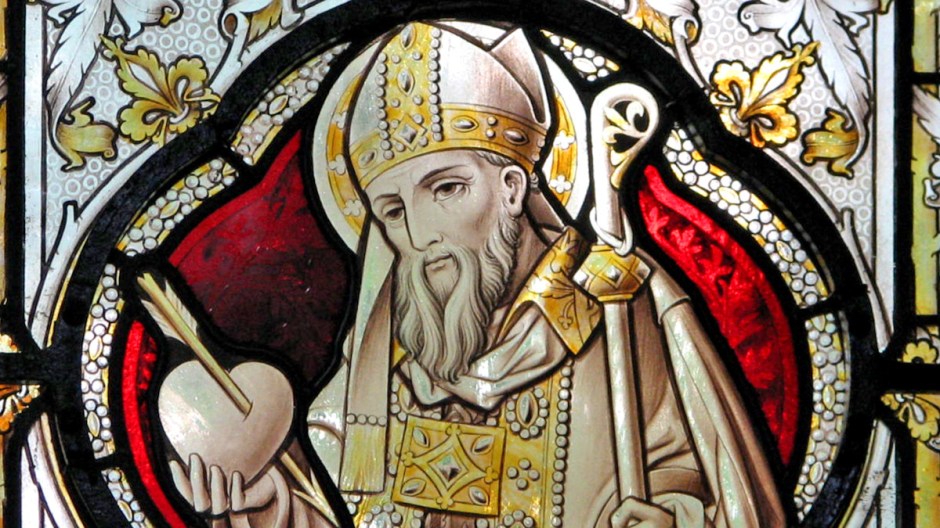
St. Augustine of Hippo (354-430 AD) was an early Christian whose writings significantly shaped Western Christianity. Augustine emphasized that non-Christians often possess substantial knowledge about the natural world, including the earth, heavens, stars, and natural phenomena. He warned against Christians speaking ignorantly on these topics, as it could lead to mockery and discredit the Christian faith. Augustine’s perspective underscores the importance of Christians being informed and avoiding the appearance of ignorance when discussing matters of the natural world.
The ongoing debate between faith and science in American Christianity has intensified recently. While I do not aim to delve into these complex discussions, Augustine’s insights from over 1500 years ago remain relevant. He pointed out that unexamined assumptions and rigid stances can hinder meaningful dialogue. Let me be clear here: I am not implying that Christians should hold science over scripture. I am saying one should not not hold extrapolations from scripture about science as if they are anything but extrapolations. Christians must critically evaluate their interpretive principles, especially when they think Scripture conflicts with scientific consensus. Augustine’s writings encourage a humble and open approach, allowing for the possibility of being wrong and fostering a more constructive conversation about faith and science.
Augustine’s reflections also stress the importance of focusing on the core tenets of the Christian faith rather than peripheral scientific issues. He argued that one’s beliefs about the physical world have little bearing on their relationship with God. The primary concerns should be theological, addressing fundamental questions about humanity, God, and salvation. Augustine’s humility and willingness to admit his limitations in scientific knowledge serve as a model for modern Christians. His approach encourages believers to prioritize the essential truths of their faith while engaging with scientific matters thoughtfully and respectfully.
Usually, even a non-Christian knows something about the earth, the heavens, and the other elements of this world, about the motion and orbit of the stars and even their size and relative positions, about the predictable eclipses of the sun and moon, the cycles of the years and the seasons, about the kinds of animals, shrubs, stones, and so forth, and this knowledge he holds as certain from reason and experience. Now it is a disgraceful and dangerous thing for an infidel to hear a Christian, presumably giving the meaning of Holy Scripture, talking nonsense on these topics; and we should take all means to prevent such an embarrassing situation, in which people show up vast ignorance in a Christian and laugh it to scorn.
When you discuss such things with non-believes, which is more important: Proving them wrong about the natural world or proclaiming the Gospel of Jesus?

 Texas Gospel Canada Southern Gospel Radio